
Spring beauty? When it comes to lawns, take these simple steps now
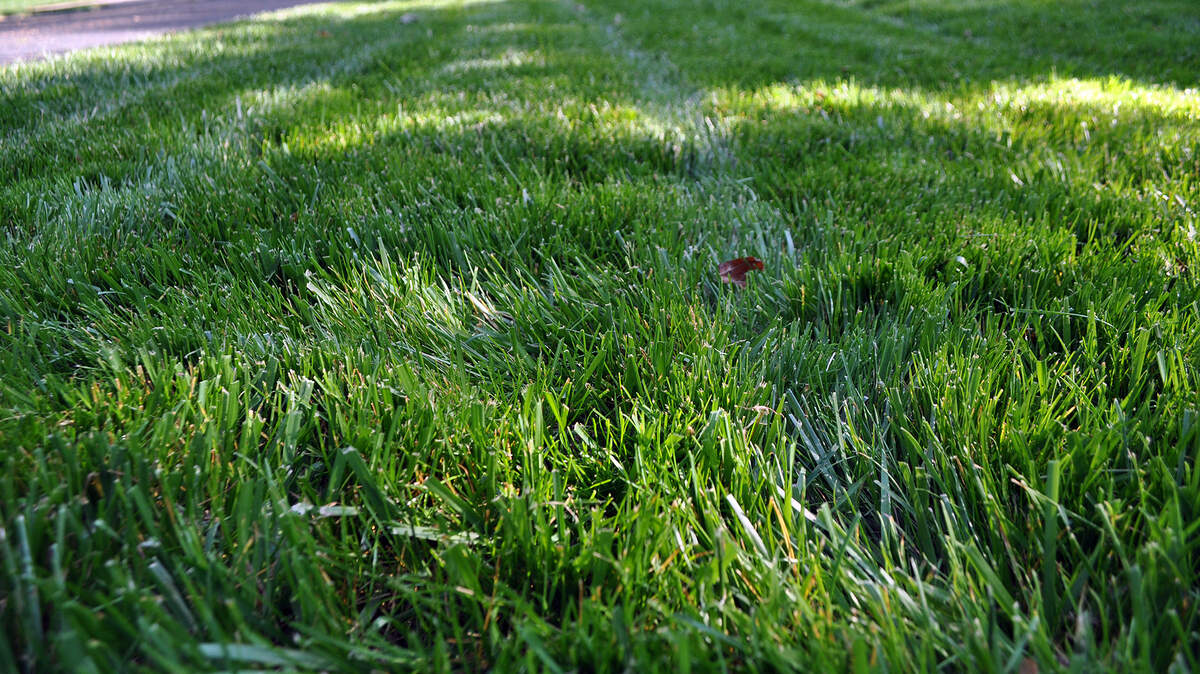
Spring is around the corner, and the sound of lawnmowers will soon fill the air. Before starting the engine, these tips will ensure a successful season of lawn care.
Mowing
More than any other practice, mowing has the most significant effect on your lawn’s health. Drop the mower height a notch to remove winter damage debris. After the first mow, raise the height back to a minimum of 2½ inches, better yet 3 inches, for bluegrass and tall fescue. Higher mowing heights result in deeper rooting and decreased drought stress.
Avoid mowing the turf too low as it will expose the soil to sunlight, resulting in increased summer weed pressure. It also damages the grass crowns, slowing growth. The goal for the first mow of the season is to only remove enough dead foliage to allow the fresh green to emerge.
Broadleaf weeds
If weeds gain the upper hand, then controls may be needed. A few weeds will not harm the turf and should be tolerated. Early spring weeds, like dandelions, henbit or chickweed, are best controlled in the fall. Spring treatments can be helpful but have unwanted side effects.
Herbicides applied on a warm, windy spring day drift in the breeze, causing curling and puckering of desirable trees, shrubs, flowers and vegetables. Reduce drift by remedying them in the fall when desirable plants are dormant. Spot spray weeds in the spring instead of treating the entire lawn. Try applying on a cooler day with minimal breeze. When spraying, use a larger water droplet and discharge as close to the ground as possible to reduce drift.
Crabgrass control
Grassy annual weeds are the exception for spring weed control. This class of weeds is stopped before establishing by using a pre-emergent herbicide. Apply crabgrass preventers in late March through mid-April. When watered into the soil, these products attack the grassy weeds.
Ideally, crabgrass controls would not be combined with fertilizers. Pre-emergent-only products are challenging to find. Combination products are often all that can be found at garden centers. Not ideal but go ahead and apply for the grassy weed control.
Fertilization
Avoid late winter and early spring applications of fertilizer. Nutrients applied during this window convert directly into top growth. A lush spring green may sound nice but comes at a price. What it really means is you will mow more frequently due to the excessive growth. Spring fertilizers push top growth, depleting any food reserves needed later to combat the summer heat and drought.
Crabgrass controls are often combined with fertilizer, which is not ideal. If this is the case, do not apply more fertilizer in the spring season. Highly irrigated lawns will benefit from fertilization in mid-May to help maintain summer color. It is best to fertilize non-irrigated lawns in the fall.
Sweep or blow all fertilizer and chemical materials back onto the lawn. If left on driveway and sidewalks, these materials wash into the storm drains, reducing the water quality in our local streams and lakes.
Soon, dusty mowers will be back in action and these tips will provide the keys for success.
Dennis Patton is a horticulture agent with Kansas State University Research and Extension. Got a question for him or other university extension experts? Email them to garden.help@jocogov.org.
This story was originally published February 25, 2020 at 6:58 PM.