
A few options for stopping rascally rabbits from chowing down on tender spring growth
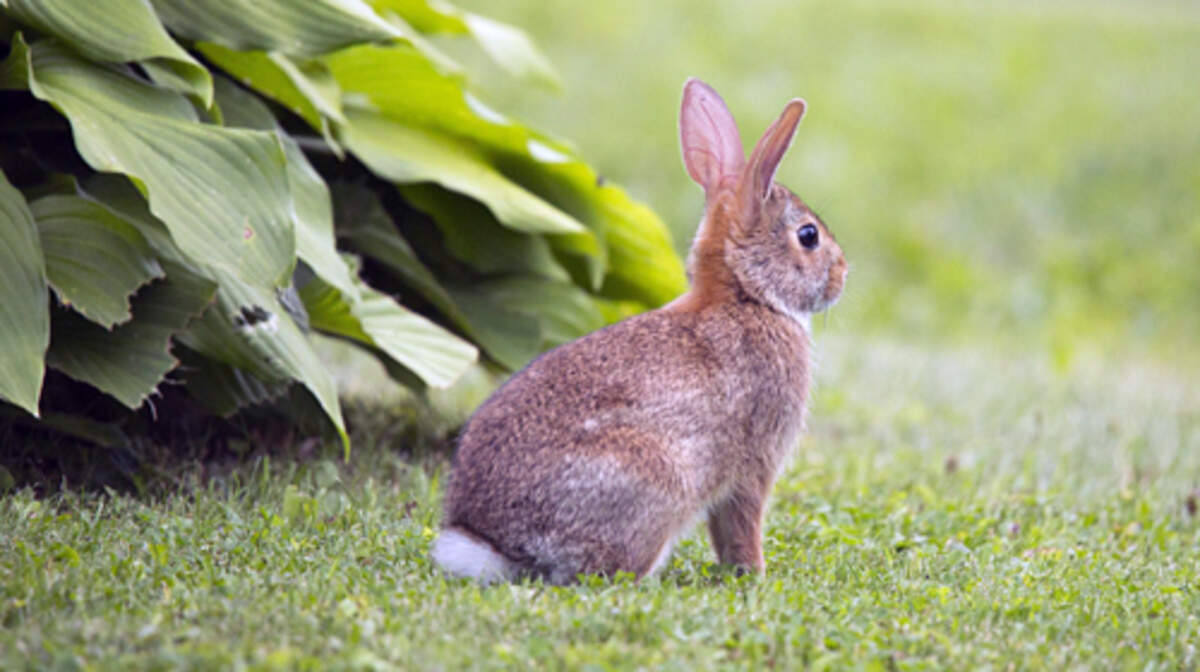
A common winter problem in the metro is rabbits feeding on our landscape plants. In their search for food, rabbits chew the bark, girdling branches or nibble off tender limbs that destroy the shape of the plant. Battling rabbits is a challenge and it comes down to selecting the best option that fits your needs.
Repellents
Repellent products affect the smell or taste of the plant after applied. The problem is these products have short residuals, diminishing the effectiveness. They also wash off during periods of heavy spring rains. Reapply these products every week to protect the new growth. Remembering to reapply is also difficult until after your prized plant has been nibbled. I don’t have the time and energy to apply these products in my garden.
Exclusion
Exclusion is a fancy term for fencing off the plants. Fencing is customary with vegetable gardens. Chicken wire at least 18 inches high is recommended. Bury the wire a few inches deep as rabbits dig to get to the good stuff.
It does not have to be a permanent fence. Wire cages about 2 feet in diameter can be placed over tender plants. Rabbit feeding is worse in early spring when the plants are young, tender and just emerging. Mature foliage tends to be less palatable.
Storing the cages is an issue as they get bent out of shape. Cages do the trick, but the garden looks ragged with scattered cages. Exclusion may not be attractive but may be the best solution.
Predators
The natural predators of rabbits include fox, coyotes and birds of prey, which have a more difficult time surviving in the burbs. Our dogs and cats may get a few of the old rabbits, but most of the feeding occurs while Rover and Fluffy are enjoying the good life curled up on our laps.
Trapping
Frustrated gardeners resort to traps bated with fruit or peanut butter. The problem is, what do with the rabbit once it is caught? There are two options: put it down or release it to a new area. Do you have the heart to kill it? Is relocating it more humane than putting it down?
We envision a Disney movie when opting to relocate. The rabbit is taken to a natural area and meets other friendly pals where it spends the rest of its life frolicking in the woods. The fact is that relocated animals are lost and out of place. They become stressed looking for where to find food, water and shelter. Research shows most relocated animals die a less humane death.
As you can see, there is no simple answer when dealing with rabbits in the garden. The best solution is to plant your garden with the plants you like to grow, choosing an option to reduce feeding that works for you. Make a game plan and be ready to hop into action when rabbits strike in the garden.
Dennis Patton is a horticulture agent with Kansas State University Research and Extension. Got a question for him or other university extension experts? Email them to garden.help@jocogov.org.
This story was originally published February 20, 2020 at 2:26 PM.