
Rain barrels help conserve water in growing season. Offer them TLC before winter hits
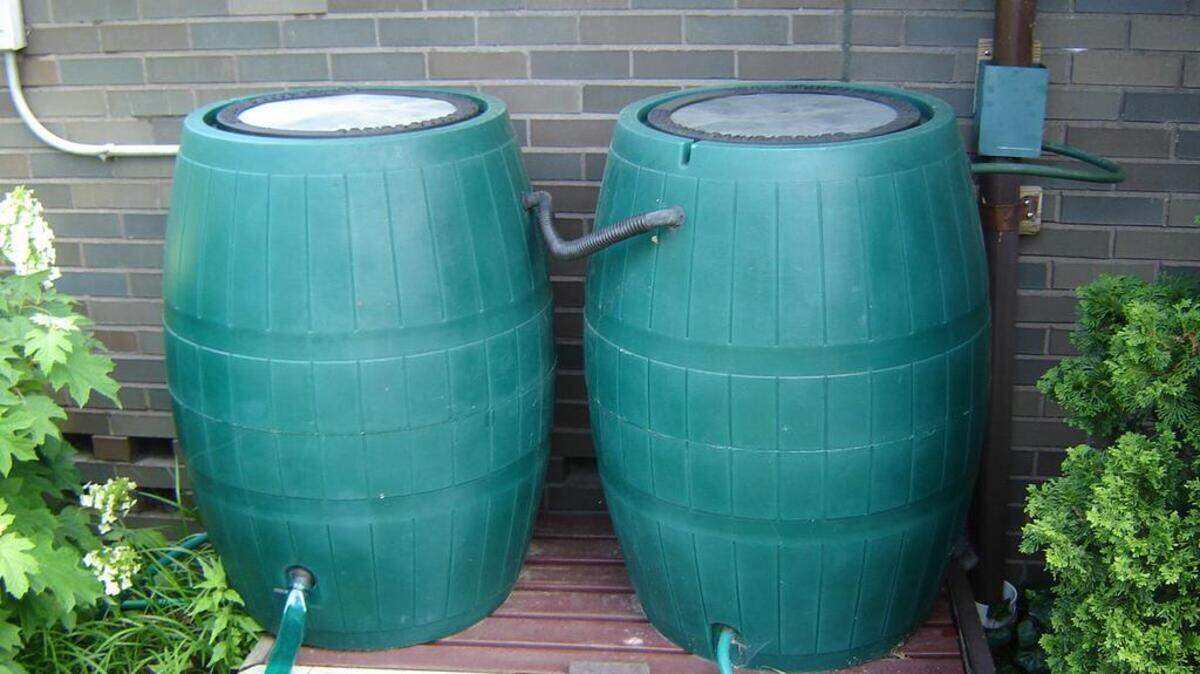
Many homeowners use rain barrels to conserve water for the garden. If you have one, consider its care during the winter so it does not turn into a giant ice cube. Rain barrels are low maintenance, but a few season-ending chores will protect your investment.
Besides collecting water, rain barrels tend to also collect organic matter such as leaves, tree pollen and other materials. Regular cleaning to remove debris will extend the life of the barrel and prevent clogging.
Remove and clean screens. Check hoses for leaks and clogs. Look to see that the overflow valve is not clogged, as this prevents the barrel from overflowing and discharging water next to the foundation. This saves you headaches down the road.
Inspect the inside of the barrel for sediment at the bottom. If a large amount of debris has found its way into the barrel, turn the barrel over and wash out the deposits.
What about winter freezing? The most common recommendation is to empty the rain barrel before freezing weather arrives, then unhook it from the downspout. Be sure to reconnect the downspout to the guttering system, channeling winter water away from your home. Ideally, you want to discharge the water onto the lawn, allowing it to soak back into the soil.
Depending on the construction and type of barrel used, some can freeze and rupture with freezing and thawing cycles over winter months.
Some barrels are made from heavy-duty plastic and can tolerate the freezing water. When in doubt, it is best to empty the barrel before it freezes. The barrel can simply be turned upside down for the winter or brought indoors for winter care. The other option is to open the valves.
Once winter conditions have passed, it is safe to reconnect the barrel to the downspout and start collecting spring rains. To reduce mosquito issues, drain the barrel at least weekly to flush out developing insects. Another option to control mosquitoes is to add a mosquito dunk to treat your barrel. They are safe for the environment and kill the larvae before they mature into pests.
Rain barrels are a great way to save on water for our gardens. Protect your investment this winter before it is too late.
Dennis Patton is a horticulture agent with Kansas State University Research and Extension. Got a question for him or other university extension experts? Email them to garden.help@jocogov.org.
This story was originally published December 12, 2019 at 2:28 PM.