
Forget One Supplement. Women Are Building Entire Perimenopause Stacks Instead. Here’s How to Build Your Own
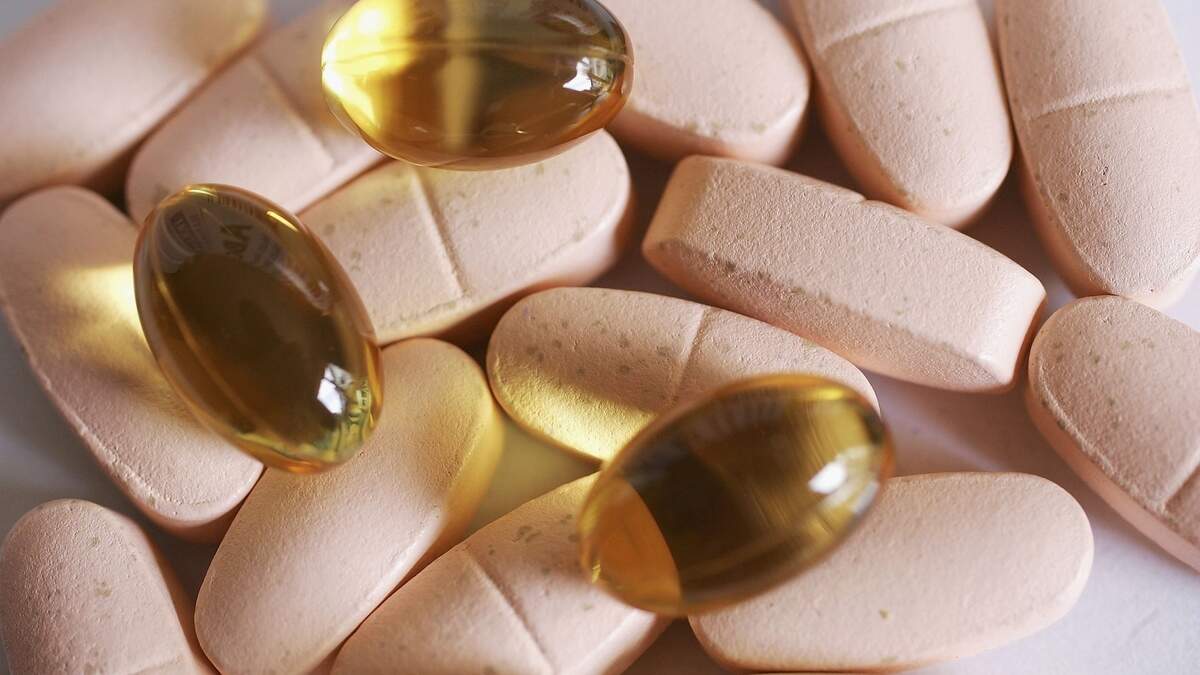
Women in perimenopause are quietly reshaping how the transition gets managed not with a single pill, but with layered, personalized combinations of supplements they assemble themselves. The practice, known as perimenopause supplement stacking, has moved from niche corners of social media into a mainstream coping strategy for women roughly 35 to 55 who are navigating insomnia, hot flashes, brain fog, anxiety, joint pain and mood swings without hormone therapy.
The shift matters because much of it is happening outside doctors’ offices. Roughly 70% of women do not disclose their supplement use to healthcare providers, according to guidance from the University of Maryland Medical System a gap that carries real safety implications as stacks grow more elaborate.
Why perimenopause supplement stacking took off
The roots run deep. After the Women’s Health Initiative published its landmark findings in 2002, public and clinical attitudes toward hormone therapy shifted sharply, priming a generation of women to look for non-hormonal alternatives. Evidence on herbal remedies remained mixed. NIH’s Office of Dietary Supplements summarized guidance concluding that data did not support clear efficacy for popular botanicals like black cohosh for vasomotor symptoms, yet women kept using them anyway.
A peer-reviewed analysis of Google search behavior tracked steadily rising global interest in menopause-related terms from 2005 through October 2025 evidence of a long build-up of unmet informational needs. In May 2023, the FDA approved fezolinetant, a non-hormonal drug for hot flashes marketed as Veozah, offering cultural validation that “non-hormonal” could be a legitimate path.
Then came the celebrity moment. The short film The M Factor, featuring Naomi Watts and Halle Berry, helped spark what Forbes described as a menopause movement 80% of women who watched said they better understood menopause, 75% were more likely to consult a doctor and 85% felt empowered to talk about it with friends and family. Berry publicly discussed taking magnesium and creatine to help with brain fog.
What goes into a typical perimenopause stack
The appeal of supplement stacking is that it is modular. Instead of one generic “menopause” multivitamin, women build combinations they can swap based on how they feel that day. McClatchy-network coverage describes a 2025 inflection point that brought a surge in perimenopause discussion and a wave of female-targeted supplement launches, with magnesium glycinate and creatine emerging as staples for sleep and brain fog.
Common configurations include
- **Nighttime stack ** magnesium glycinate paired with a targeted sleep formula for insomnia
- **Brain fog stack ** creatine, omega-3s and adaptogens
- **High-stress days ** a cortisol or stress-support complex with magnesium
Some users rotate stacks by weekday, travel schedule or menstrual cycle phase luteal versus follicular borrowing from biohacking culture. HRV and stress-tracking wearables increasingly guide those adjustments, prompting women to add magnesium or adaptogens after a night of poor sleep metrics. Peer-to-peer guidance drives much of the experimentation. TikTok, Reddit and private Facebook groups circulate crowdsourced protocols, dosage suggestions and brand comparisons, and “what I take in a day” perimenopause videos have become a genre unto themselves.
The brands building modular perimenopause systems
A cluster of direct-to-consumer companies is now explicitly designing products to be stacked. Season34, a Coral Gables, Florida-based brand, launched nine hormone-free formulations engineered to be combined without exceeding global safety thresholds for any single ingredient, according to trade coverage in New Hope Network. Founder Kim Stanbury framed the approach directly “Every woman is unique. We are creating a personalized system that is fully stackable.”
Pink Stork, a founder-led women’s brand with more than 50,000 verified Amazon reviews and shelf space at Target, Walmart and CVS, promotes a four-product stack combining NAD+, creatine, beef organ complex and a cortisol complex. It is a telling example of how general performance and stress-support supplements are being folded into perimenopause routines.
Perelel, a doctor-founded company organized around life stages, sells a five-capsule Peri Support Pack containing a perimenopause multivitamin, omega DHA/EPA, an adaptogen complex and a metabolic support capsule structured to be taken together. Wile Women, co-founded by actress Judy Greer, focuses on hormonal transitions with symptom-targeted, hormone-free formulations that appeal to women mixing brands.
How big the perimenopause market has become
The money is following the momentum. Grand View Research estimates the global menopause market at $18.7 billion in 2025, $19.7 billion in 2026 and $28.8 billion by 2033 a compound annual growth rate of 5.6% from 2026 through 2033. Those figures include pharmaceuticals, devices and services, not supplements alone.
Supplement use itself is broad. Research cited by Market Reports World found that more than 79% of peri- and postmenopausal women reported using botanical dietary supplements, and 36.5% use supplements daily. The same reporting notes that phytoestrogen supplements may deliver only 10% to 20% symptom reduction in certain use cases a modest and variable payoff that helps explain why women keep experimenting rather than settling on one product.
The user base is also younger than many brands assumed. Charlotte Observer coverage notes that 55% of women report perimenopausal symptoms in their 30s, meaning stacking is likely to target late-30s consumers more aggressively over the next several years.
Red flags, disclosure and what doctors want you to know
Stacking carries real risks. When roughly 70% of women do not tell their doctors what supplements they are taking, the chance of interactions with prescription drugs climbs and care becomes harder for conditions like hormone-sensitive cancers or cardiovascular disease.
Before building or expanding a stack, clinicians generally suggest asking a few basic questions. What symptoms are you actually trying to target? What prescription medications are you on? Do any of your supplements overlap on active ingredients? Have you checked for third-party quality seals such as USP verification?
The most important step, providers say, is disclosure. Bringing every bottle, a printed ingredient list and a symptom diary to an appointment gives a clinician the full picture including of over-the-counter and DTC products a doctor might otherwise assume are inert.
This article was created by content specialists using various tools, including AI.
.jpeg)