Read-only wearable devices vs. read-write systems: How insulin pumps and more rewrite body signals
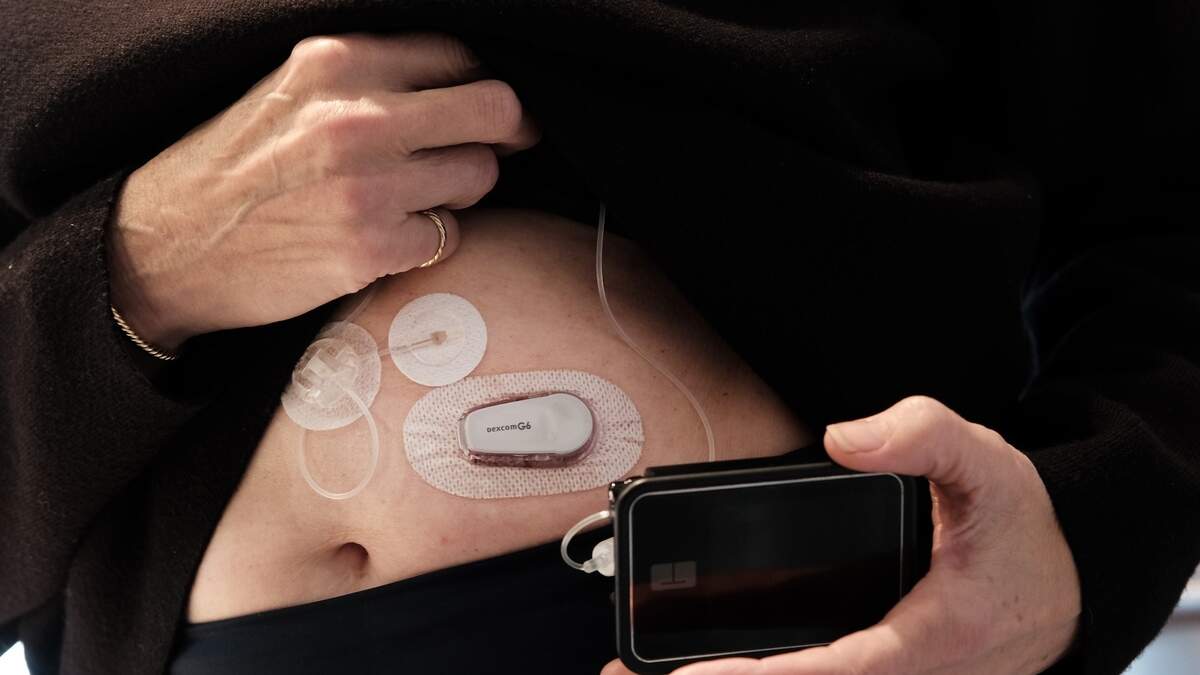
For more than a decade, wrist-worn trackers and smart rings have watched over our steps, heart rates and sleep cycles. Now a new generation of devices is trying to do something the read-only wearable never could, talk back to the body. Understanding the difference between a read-only wearable and its read-write counterpart matters because it signals where personal health technology is headed next, moving from measurement to intervention.
The distinction is straightforward. A read-only wearable observes. A read-write wearable observes and acts. That shift is quietly redefining what people expect from the gadgets on their wrists, fingers and heads.
What Is a Read-Only Wearable?
A read-only wearable gathers data from your body without making changes to it. An Apple Watch measures your heart rate. An Oura Ring measures your sleep. A Fitbit measures your activity, and continuous glucose monitors measure glucose. Each of these tools tells you information but cannot directly change what’s happening inside your body.
These devices have carried the wearable category for years, giving users biological data that helps them understand what their bodies are doing throughout the day. The insight they deliver is useful, but the responsibility for acting on it, whether sleeping more, exercising differently, or eating earlier, still falls entirely to the person wearing the device.
What Is a Read-Write Wearable?
A read-write wearable reads your body’s signals and responds by delivering a targeted intervention. A closed-loop insulin pump reads glucose and injects insulin. A neurostimulation headset measures brain activity and delivers electrical stimulation. A vagus nerve stimulator measures physiological signals and stimulates the nerve. Instead of only observing, it acts.
A read-write device asks a different question than a tracker does. What can we do about it right now? That framing changes the design goal from awareness to state change, helping a user fall asleep faster, calm a stressed nervous system or manage a chronic condition in real time.
How Wearable Medical Devices Are Evolving
The clinical wearable market spans several categories, and read-write technology sits at the more active end of that spectrum. “Therapeutic devices like insulin pumps, neurostimulators and wearable defibrillators deliver active treatment. Diagnostic devices capture clinical data over defined periods. Rehabilitation devices support recovery and restore function. Consumer-grade wearables with FDA clearance now bridge clinical and everyday health tracking,” according to Arterex.
The company describes a shared architecture across the field. “Biosensors detect physiological signals, onboard processors convert and filter raw data, wireless protocols transmit it to connected platforms and AI-driven algorithms turn data streams into actionable clinical insight.”
The upside for patients and providers is significant. “The clinical benefits are substantive. Wearables enable early disease detection, reduce hospital readmissions, support remote patient monitoring and improve chronic disease outcomes across cardiology, diabetes care, neurology, respiratory medicine, mental health and more,” the Arterex website says.
But the barriers are real, too. “Data accuracy limitations, patient adherence gaps, fragmented EHR integration, regulatory complexity, cybersecurity risks and equity barriers all constrain widespread adoption. The next generation of wearable medical devices is advancing toward non-invasive biomarker monitoring, closed-loop autonomous therapy, AI-powered predictive care and smart textile integration.”
Read-Write Wearable Devices for Sleep and Stress
The wellness science company Vibe Science is testing its Domayn Mask in a beta program, positioning it as an example of what a read-write wearable can do outside a clinical setting.
“Most fitness wearables just tell you that you slept poorly or have low HRV, they don’t do anything to change it. Vibe Science is developing precision sensory technologies designed to support ‘state shifts’ in neural and nervous system activity. Our work is rooted in a large and established body of scientific literature as well as our own research and validation efforts,” according to Vibe Science.
The company frames the market shift in blunt terms. “Most wearables today measure your metrics, but don’t empower you to change them. We think the future of wearables is ‘read-write,’ giving users more autonomy over how their brains and bodies feel and perform,” the site says. “Domayn Mask delivers precision-engineered light and sound pulses providing a stable sensory signal. Cortical systems in the brain naturally synchronize with this signal, a phenomenon called steady-state visual evoked potential (SSVEP), measurable in EEG.”
Vibe Science says its studies track changes in heart rate variability as the brain follows the stimulus. “In our studies, we observe the autonomic nervous system shifting toward parasympathetic activation as the brain entrains to the stimulus, lower arousal and readiness for sleep and recovery. We measure this through HRV, increases in RMSSD and SDNN, reductions in LF/HF ratio,” the website adds. “In our studies, these biomarker shifts are aligned with real behavioral change, falling asleep faster, feeling calmer and more at ease, or, with alertness sessions, improved focus.”
Neurological Intervention and the Closed-Loop Brain
Elemind launched commercially in 2024 with a wearable electroencephalogram headband designed to help people fall asleep and fall back to sleep significantly faster without drugs.
“Elemind’s industry-changing product is built on direct, real-time interface with the brain. Using high-fidelity EEG, the company continuously reads neural activity and applies precisely timed acoustic stimulation individualized to each person’s brain dynamics,” per Healthcare Outlook. “The system models a user’s neural state moment by moment and intervenes at exactly the right phase of ongoing brain activity. This closed-loop approach, grounded in peer-reviewed clinical research and protected by patents, allows Elemind to influence sleep at the level where it naturally occurs, the brain itself.”
Elemind cofounder and CEO Meredith Perry described the company’s ambition in broader terms. “Elemind is building infrastructure, not a gadget,” she said. “We are laying the foundation for how humans will interact with their own brains safely, non-invasively, and intelligently. Sleep is where that journey begins, but it’s not where it ends.”
This article was created by content specialists using various tools, including AI.