
Why More Gen Z Adults Are Drinking Less and Choosing Fitness Over Another Night at the Bar
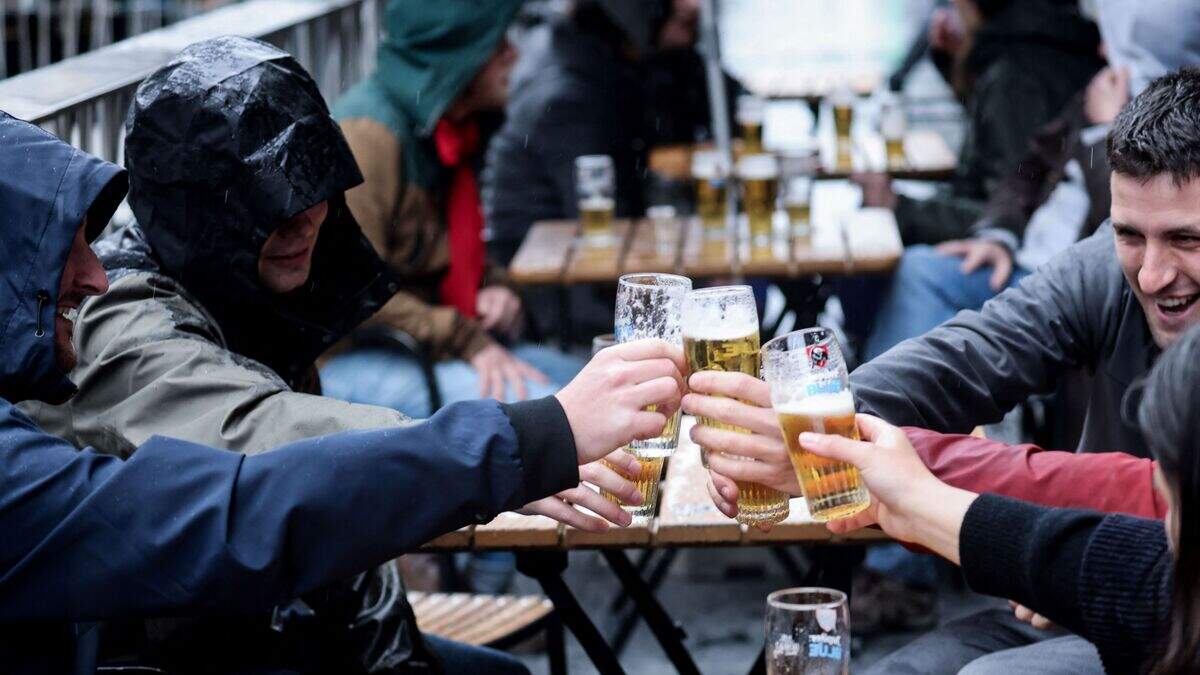
The gen z drinking less phenomenon is reshaping how younger Americans spend their nights, their money and their social energy. New spending data and survey research point to a clear pivot from happy hour to running clubs, mocktails and shared workouts.
Why is gen z drinking less than previous generations?
Gen Z drinking less reflects a broader lifestyle shift where younger Americans are prioritizing physical performance, mental clarity and cheaper socializing over nightlife. Bank of America economists analyzed aggregate credit and debit card spending from 70 million consumer and small-business accounts and found Gen Z fitness spending grew about 9%, compared with less than 4% growth in bar spending.
Spending at liquor, wine and beer stores is sliding, while bar visits still tick up because people are showing up for the atmosphere, not the alcohol. According to the 2026 Bank of America Institute report, “Younger generations move from barstools to barbells.” Cost is another factor. Going out is expensive, and most run clubs are free.
What is the great moderation in alcohol spending?
The great moderation is the label Bank of America economists use for the sober-curious spending shift they are tracking among Gen Z and millennials. “Younger Americans are really driving this movement that we’re calling ‘The Great Moderation,’” Joe Wadford, an economist at the Bank of America Institute, told USA TODAY.
An IARD survey found 87% of Americans 21 and older plan to drink this summer, but for the first time moderation has edged out taste as the top consideration when drinking, 35% to 33%. “They’re looking for drinking to fit their lifestyle rather than the other way around, and they’re pioneering different ways of drinking,” Julian Braithwaite, CEO of the International Alliance for Responsible Drinking, told Spectrum News. Gen Z has picked up a new nickname to match, the “Dry Generation.”
How are run clubs replacing bars for sober socializing?
Sober socializing is showing up most visibly in run clubs, reading meetups and pickup sports, where the activity itself carries the conversation. Strava data shows club participation has surged over the last two years, with some running communities seeing major growth.
Research from LADbible Group found 72% of Gen Z say they joined a run club specifically to meet new people, and many describe the format as a replacement for dating apps because the interaction feels more direct. Wadford summed up the shift this way. “People can go out and they can socialize and they can enjoy that atmosphere, but they can choose not to drink.” Bars are adapting too, expanding mocktail and non-alcoholic beer menus and layering in food and activity nights.
Why does fitness beat bars for authentic connection?
Younger adults say shared activity feels more honest than dressing up for a bar or swiping through a dating app. Fitness coach and content creator Tom Trotter told Vogue that showing up sweaty and out of breath forces people to drop the act. “You’re being as real as possible.”
Group exercise also delivers social and health benefits at the same time, according to University of Oxford researcher Arran Davis, who told the BBC that collaborative activities like team sports make workouts feel easier while helping people build relationships. Nightlife is declining, and fitness-centered social spaces are continuing to grow, giving Gen Z a cheaper, healthier and less performative alternative to a night out.
This article was created by content specialists using various tools, including AI.
.jpeg)