Selling clothes online can turn your next closet cleanout into hundreds of dollars in cash. Here’s how
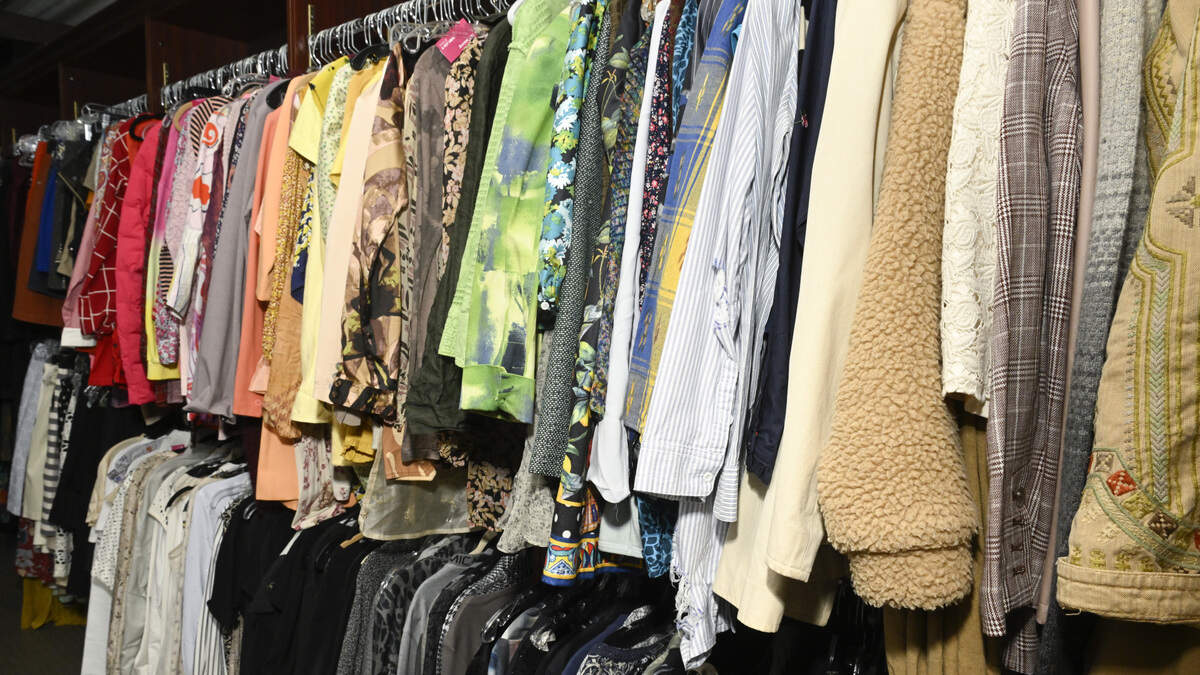
Selling clothes online (and even jewelry) can be fruitful, but only if you know where the value lies.
A 1994 Nine Inch Nails tour shirt sells for more than $1,500. A tangled chain stamped “925” turns out to be solid silver. A blazer you almost gave away has buttons people will pay real money to repurpose.
None of this is luck. A small set of forces decides which forgotten items become resale gold and which belong in a donation bag. Understand those forces and your next closet cleanout stops feeling like a chore and starts looking like a treasure hunt.
Nostalgia and fandom set the price
The biggest driver of value in old clothing is emotion. People pay to own a piece of a moment they lived through or wish they had.
That is why vintage concert t-shirts from the ’70s, ’80s and ’90s can command staggering sums. Rarity, era and condition all matter, and an original tour shirt beats a modern reprint every time.
“Vintage Concert T-shirts and Vintage shirts from your favorite sports teams can fetch quite a price. eBay has a strong collecting community,” Reyne Hirsch of Dallas Auction Gallery told Good Housekeeping.
The same logic powers sports apparel. Starter jackets from the late ’80s and ’90s, especially satin styles tied to iconic teams, are instantly recognizable collector pieces. Vintage soccer jerseys ride the same wave, where club loyalty and a famous player can push prices higher.
Sometimes the material is the money
Other items are valuable for what they are made of, not who wore them. This is where the junk drawer surprises people.
Broken chains, single earrings and bent rings still carry worth because precious metal holds its value as scrap or resale. A hallmark is the tell.
“I can’t tell you how many times we’ve found pieces tossed in a drawer that are stamped ‘925,’ ‘14-karat,’ or ‘18-karat,’” Jennifer Mayrath of Clotheshorse Anonymous told MarthaStewart.com. “Those markings matter. Sterling silver, solid gold, and pieces with genuine stones, especially if they’re signed or have a designer hallmark, can carry significant resale value. Turquoise and Old Pawn are often overlooked, too.”
This is why vintage jewelry rewards a closer look. Vintage costume jewelry is not automatically cheap either, since many pieces were well made and designer-signed, with maker’s marks hidden on a clasp or behind a brooch.
Brand and authenticity do the heavy lifting
A label can multiply value, but only if a buyer can trust it. Authentication is everything in the designer market.
Before donating an old designer blazer, check the buttons. Chanel-style logo buttons are sought after because people turn them into earrings, pendants and brooches, though genuine, replacement and reproduction versions all exist.
Handbags follow the same rule. An outdated bag from Saint Laurent, Fendi, Dior or Gucci can come roaring back, and serial numbers, dust bags and original hardware separate a real payday from a guess.
Trends move in cycles
Value is rarely fixed. A silhouette that felt dated ten years ago can become the thing everyone wants once it returns to the runway or a resale feed.
Vintage wedding dresses are a clear example. Craftsmanship, fabric, era and current bridal taste all shape demand, and even an unwearable gown can be mined for its lace, buttons or veil.
“The Marilyn Monroe-style wiggle dresses are becoming more popular,” Lily Kaizer, owner of LA-based vintage bridal boutique the Happy Isles, told Vogue. “People are going for the ’70s-style relaxed silhouette, and we’ve had a lot of requests for ’90s minimal styles.”
When selling clothes online isn’t worth it
Not everything clears the bar, and that is fine. The line is simple. When an item lacks rarity, a precious material, a trusted label or a returning trend, its best value is the good it can do for someone else.
Everyday fast fashion, basic shoes, winter clothes, kids’ apparel, trendy accessories with no designer value and interview clothes rarely fetch much, but they are genuinely useful when donated.
Knowing the difference is the whole skill. It tells you when selling clothes online is worth the effort and when a donation bin is the smarter call. Learn to sell used clothes that actually have a market and donate the rest, so your closet cleanout pays off either way.
This article was created by content specialists using various tools, including AI.