Where the designer resale market is headed and how to choose the right place to sell high-end clothing
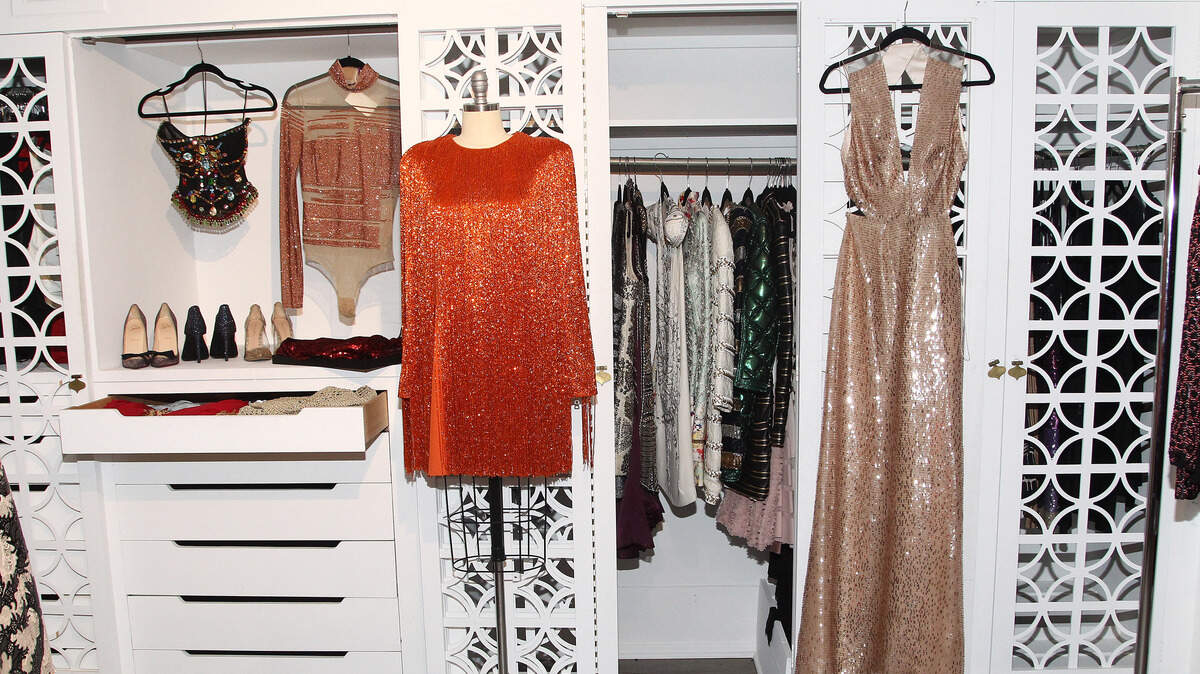
Your closet full of designer clothes has quietly become an asset class. Secondhand fashion is booming, and buyers are happy to pay real money for pre-owned luxury.
A report by BCG and Vestiaire Collective projects the global secondhand market for fashion and luxury goods will reach as much as $360 billion by 2030, up from roughly $210 billion to $220 billion today and growing about 10% a year.
That is three times the pace of the firsthand market. The hard part is no longer finding a buyer, but knowing where to sell designer clothes so you keep the most money.
What to look for in the best place to sell designer clothes
If you are asking where can I sell designer clothes and actually come out ahead, run each option through the same five filters.
- Authentication. Luxury buyers will not spend four figures on a maybe, so sites with a genuine verification process protect you and support higher prices.
- Commission. Fees range from almost nothing to a fifth or more of the sale, so read the structure before you commit.
- Payout. Check both how much of the final price reaches you and how quickly it lands.
- Service level. Some platforms do everything from photography to shipping. Others hand you the entire job.
- Audience. A streetwear drop and a vintage Hermès scarf do not sell to the same crowd.
No platform wins on all five filters at once. The right choice is the one that scores highest on the factors that matter most for the specific pieces you are selling, so weigh them against your own closet before you commit.
The 7 best clothing resale sites compared
Below are the seven options worth knowing, whether you want the best place to sell clothes online by reach or hands-off luxury consignment.
The first four are the strongest fit for designer labels. The last three suit clearing mainstream items at volume, where the best place to resell clothes is whichever takes the most off your hands.
Compare the best for and commission notes, then match your designer clothing brands to the right one.
1. Vestiaire Collective
Best for: High-end and luxury designer (Chanel, Gucci, Hermès, Louis Vuitton). Everything is authenticated through their hub. Peer-to-peer, so you photograph, list and ship yourself.
Commission: A flat 12% selling fee on items priced between $83 and $16,667, fixed $10 on items under $83 and fixed $2,000 on items over $16,667, plus a 3% payment processing fee. 0% selling fees on your first 3 listings.
2. eBay
Best for: Everything. The broadest buyer base of any US marketplace, strong for vintage, designer menswear, denim and sneakers where the auction format can push prices up (especially for rare stuff).
Commission: First 250 listings are free to list each month. $0.35 per listing after that. 15% commission of the final value for items $2,000 or less and 9% for items over $2,000.
3. The RealReal
Best for: Luxury consignment, fully hands-off. You ship items in and they authenticate, photograph, price, list and ship. Best for high-value designer pieces, bags, fine jewelry and watches.
Commission: They pay sellers between 20% (for low-value items) and 70% (high-value items) based on the item’s value, plus a tiered bonus structure based on overall sales volume.
4. Depop
Best for: Trend-driven, vintage, Y2K and streetwear aimed at a young (Gen Z) fashion audience. Curated “shop” aesthetic matters here.
Commission: US sellers pay no selling fee. Only payment processing of 3.3% + $0.45 per order. The fee applies to the total transaction (item + shipping + tax). One of the cheapest options for US sellers.
5. Poshmark
Best for: Mid-to-high-end mainstream fashion, with built-in social/sharing features that drive sales. Wide margins absorb the fee best.
Commission: A flat $2.95 on sales under $15, and 20% on sales of $15 or more. No listing, subscription or separate processing fees. The 20% is everything, and it includes a prepaid shipping label.
6. ThredUp
Best for: Bulk closet clear-outs of mainstream women’s and kids’ brands (J.Crew, Madewell, Anthropologie). Fully hands-off via a mailed “Clean Out Kit.” Not for menswear, which they reject.
Commission: A sliding scale tied to the item’s listed price depending on brand and price point, with low-value items earning very little (as little as 3%) and items over ~$200 earning up to 80%.
7. Facebook Marketplace
Best for: Local, in-person sales of just about anything. Best for bulky or lower-value items you want to move fast. More of a decluttering tool than a profit center.
Commission: Free for local sales; shipped orders carry a 10% selling fee. No listing fees either way.
How to sell designer clothing for more
Honesty does as much for your sales as any pricing trick.
“Being honest and upfront is my number one tip; it builds a trusting relationship between the buyer and seller,” Jessie de la Merced, Vinted’s VP of corporate affairs, told British Vogue. “Don’t underestimate the power of a trustworthy account – positive reviews contributes to more sales and visibility.”
From there, a few habits separate listings that sit from listings that sell:
- Sell in season, when buyers are actively shopping for the piece.
- Research current prices for comparable items so your listing stays realistic.
- Prove authenticity wherever you can, with receipts, tags or serial numbers.
- Write detailed descriptions covering measurements, material composition, condition and how often the item was worn.
- Add new listings regularly to keep your profile active and visible.
Good images close the deal. “Invest in the time to create high-quality photos in good lighting, and offer people multiple angles and close-ups to ensure they get a sense of the quality,” Steve DiMatteo, owner of Cleveland Vintage Shirts, told AARP.
Selling designer clothes online is easier than ever, but the best platform depends on what you’re selling and how much work you want to do yourself. Before listing, compare fees, payout timelines, audience and seller support so you can choose the best place to sell designer clothes — and get the most value from the pieces already sitting in your closet.
This article was created by content specialists using various tools, including AI.