Hair Loss Treatment for Men and Women Is Finally About to Change After 30 Years of Nothing New
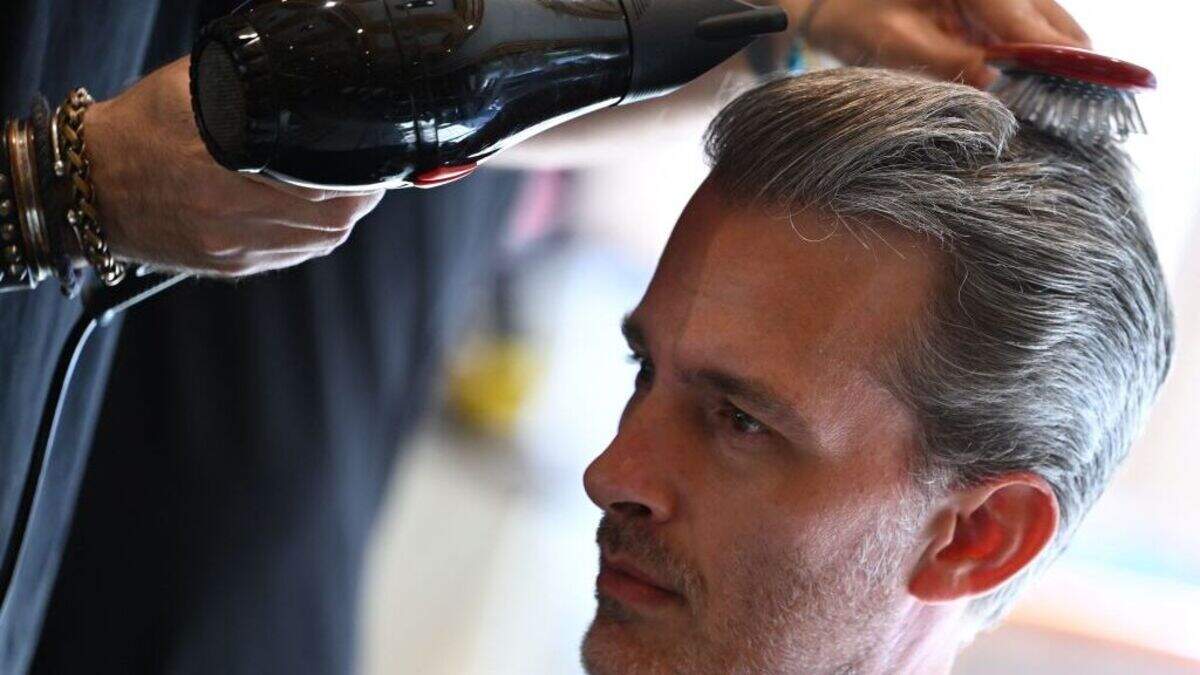
For nearly 30 years, anyone hoping to treat pattern hair loss had two FDA-approved choices. That stretch is finally ending. Three drugs in active clinical development could reshape how doctors approach androgenetic alopecia in both men and women, and the first regulatory submissions are already underway.
Minoxidil won FDA approval in 1988, with finasteride following in 1997. Nothing else has been approved for pattern hair loss since. Late-stage trial results from Cosmo Pharmaceuticals, Pelage Pharmaceuticals and Veradermics are now pushing new options toward pharmacy shelves, with one program already pursuing parallel approval in the United States and Europe.
If you’ve been exploring at-home options for hair health in the meantime, red light therapy devices have shown real clinical promise for supporting hair density while you wait.
Why Doctors Have Had Almost Nothing New to Offer Hair Loss Patients
Pattern hair loss is driven by a hormone called dihydrotestosterone acting on hair follicles. Minoxidil prolongs the growth phase of those follicles. Finasteride blocks DHT production system-wide, but its hormonal side effects have kept many women and a meaningful share of men away from it entirely.
For three decades, no developer brought a fundamentally new mechanism through Phase 3 trials. The new pipeline breaks that pattern by targeting hair loss through three distinct biological routes.
Three New Hair Loss Treatments With Real Clinical Data Behind Them
Clascoterone 5%, from Cosmo Pharmaceuticals, is a topical androgen receptor inhibitor that blocks DHT directly at the follicle without entering the bloodstream. The Phase 3 SCALP 1 and SCALP 2 trials enrolled 1,465 men across the United States and Europe, the largest Phase 3 program ever run for a topical AGA treatment.
According to a December 2025 press release from Cosmo Pharmaceuticals, SCALP 1 showed a 539 percent relative improvement in target-area hair count vs. placebo and SCALP 2 showed 168 percent. FDA and EU regulatory submissions are underway following 12-month safety follow-up completion in spring 2026.
PP405, from Pelage Pharmaceuticals, takes a different approach entirely. It’s a topical small molecule designed to reactivate dormant hair follicle stem cells rather than simply slow further loss. The Phase 2a trial enrolled 78 men and women across diverse skin and hair types, with four weeks of dosing followed by eight weeks of observation. No systemic absorption was detected, and a significant clinical response was seen in men with higher-degree hair loss by week 8. Phase 3 trials are planned for 2026, though consumer enthusiasm is currently running ahead of what the clinical record fully supports.
VDPHL01, from Veradermics, is an extended-release oral minoxidil tablet built to deliver the benefits of oral minoxidil without the cardiovascular risks tied to the immediate-release version. Phase 2/3 Study 302 topline results released April 27, 2026 met all primary and key secondary endpoints with robust hair growth in both once-daily and twice-daily arms.
Phase 3 Study 304 data in men is expected in the second half of 2026, and Phase 3 Study 306 in women is actively recruiting. NDA submission is targeted for early 2027 with availability anticipated in late 2027 to early 2028.
What This Pipeline Finally Means for Women With Hair Loss
Two of the three drugs were built with women in mind from the start. Clascoterone’s local mechanism may make it suitable for female AGA since it doesn’t produce the systemic hormonal effects that keep many women off finasteride.
Pelage included women in its PP405 Phase 2a trial and designed the program as a treatment for both sexes. Veradermics is enrolling women in a dedicated Phase 3 study. That’s a meaningful change from a landscape where women were largely left with topical minoxidil and limited alternatives.
What to Do About Hair Loss While You’re Waiting for These Drugs
Topical minoxidil remains the most accessible starting point for both sexes, and a dermatologist can evaluate oral minoxidil off-label. Low-level laser therapy works through a completely different mechanism than any of the pipeline drugs and can be layered on top of existing treatments.
A 2026 12-month prospective trial in Dermatologic Therapy found sustained hair density improvements over a full year for androgenetic alopecia, with additive effects noted when combined with minoxidil. At-home FDA-cleared devices make consistent use practical without clinic visits.
This article was created by content specialists using various tools, including AI.