
Clean scentscaping: How to make every room smell amazing without using harmful hidden chemicals
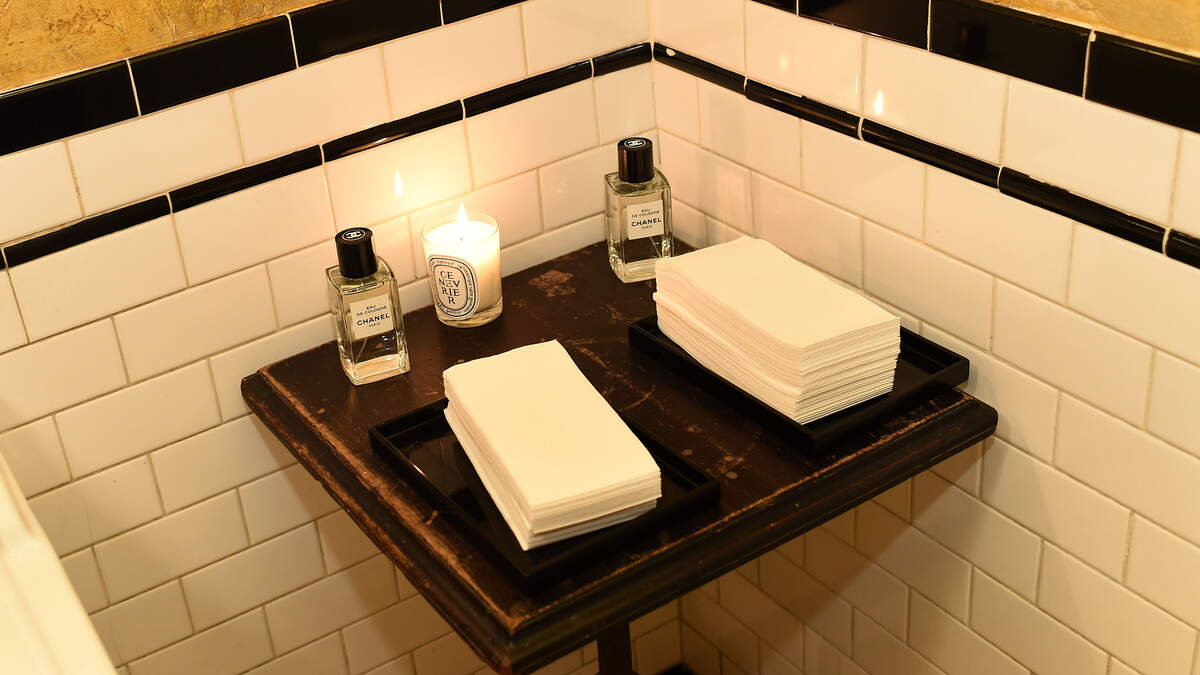
Walk into a room that smells like simmering citrus and fresh herbs, and your shoulders drop before you’ve even sat down. That’s the idea behind scentscaping — a growing approach to home fragrance that swaps synthetic plug-ins and aerosol sprays for natural, intentional scent. The practice has picked up momentum as more people look for ways to make their homes feel calmer, more personal and free of the chemicals found in many mass-market air fresheners.
Here’s what scentscaping actually involves, where to start and how to use it room by room.
What scentscaping means
Scentscaping is the practice of using fragrance deliberately throughout your home to shape mood, energy and atmosphere. Rather than masking odors with a single strong spray, it treats scent the way you might treat lighting or furniture — as a design element tailored to each space. Different rooms get different scents to support what you actually do in them, whether that’s focused work, relaxing or sleeping.
Franky Rousell, founder of interiors firm Jolie, tells Vogue: “Scentscaping is the harnessing of fragrance in a space to create a specific atmosphere, guide emotional responses, and enhance the overall sensory experience of an environment. Scent can influence our mood and energy, sparking creativity in a collaborative zone or instilling a sense of grounding and calm in a wind-down area.”
How to keep your home fragrance chemical-free
The appeal of scentscaping for many people is that it doesn’t require synthetic products. The approach leans on natural scent sources first — think plants, fresh herbs and citrus peels — and treats ventilation itself as a fragrance tool. Opening windows to move air through a space is part of the practice, not separate from it. The goal is to avoid synthetic “constant release” products that pump fragrance into a room around the clock.
Essential oils are a common starting point. Karen Peltier in The Spruce writes: “Many essential oils have antibacterial, antifungal, and antiviral properties to help freshen and purify the air. Simply boil a pot of water, take it off the heat, and add a few drops of your favorite essential oil. You can blend drops from one oil with another to find your favorite scents. The scent of the oils in the released water vapor will infuse the whole room. You can also use various types of diffusers to disperse essential oils into the air through misting.”
Scentscaping room by room
Different rooms call for different scents, and matching the fragrance to the function is the heart of the practice. A kitchen that smells like a spa isn’t quite right, and a bedroom that smells like breakfast probably won’t help you wind down. Below are a few starting points pulled from common scentscaping recommendations — none of which require synthetic products.
- Kitchen: Simmer citrus peels on the stove and keep fresh herbs like mint and basil within reach.
- Bathroom: Eucalyptus works well in steamy spaces and pairs naturally with showers.
- Bedroom: Lavender sachets or lightly scented linen sprays made with diluted essential oils support rest.
- Living room: Indoor plants, natural wood and chemical-free candles such as beeswax keep the air clean while adding warmth.
Why scentscaping is catching on
Part of the appeal is practical. Synthetic air fresheners often release fragrance continuously, and many households are rethinking what they want lingering in the air. Scentscaping offers a more intentional alternative — one that asks you to think about how each room should feel and to use scent the way you’d use any other design choice. It’s also flexible. You can start small with a bowl of citrus peels or a few sprigs of rosemary on the counter and build from there.
The other draw is emotional. Scent is closely tied to memory and mood, and a home that smells distinctly like your home — not like a hotel lobby or a department store — tends to feel more grounding. That’s the experience scentscaping is trying to create, one room at a time.
This article was created by content specialists using various tools, including AI.