
These seemingly innocent scented products are filling your home with hidden allergens every day
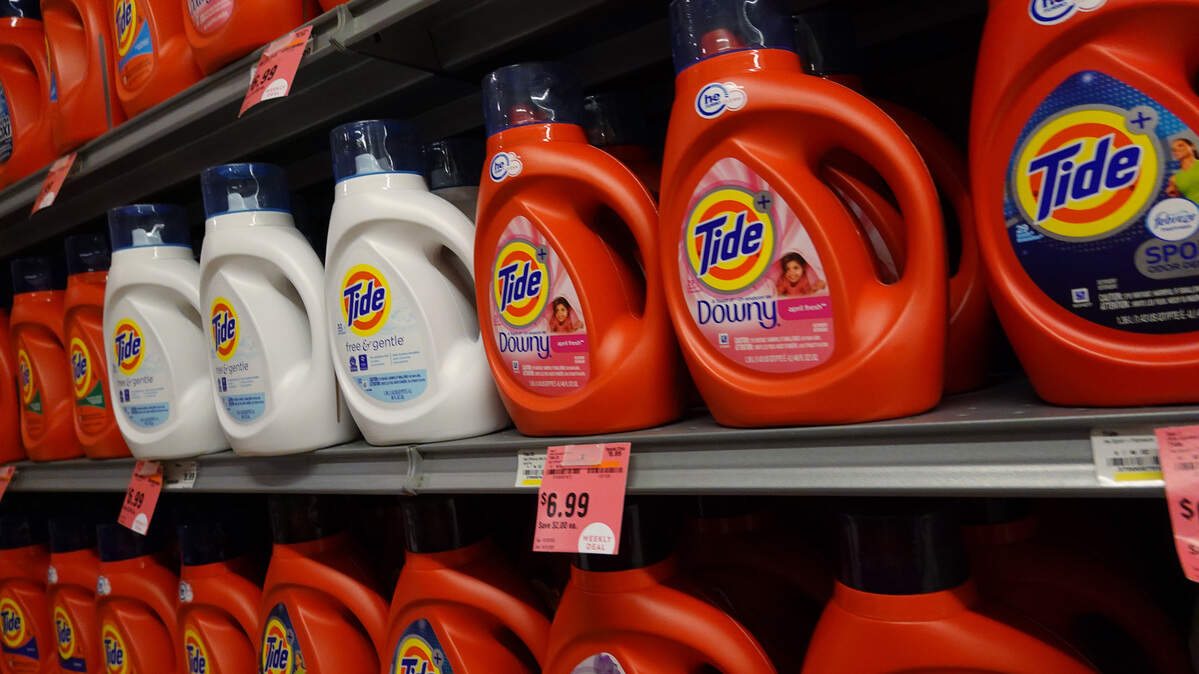
If your eyes burn, your nose runs or you feel inexplicably tired indoors, your allergies may be reacting to the fragrance products layered throughout your house — from plug-in air fresheners to scented laundry detergent.
What household products are causing my indoor allergies and asthma flare-ups?
The biggest indoor offenders are scented fragrance products — plug-in air fresheners, scented candles, wax melts, reed diffusers, dryer sheets and cleaning sprays with added fragrance — which release chemicals continuously into the air you breathe at home.
According to Poison.org, “some evidence suggests that air freshener products increase indoor air pollution and pose a health risk, especially with long-term exposure. Air fresheners release volatile organic compounds (VOCs) into the air. A VOC is a type of chemical that turns into a vapor or gas easily at room temperature.” The site explains that health problems can come from the chemicals in the air fresheners themselves and from “secondary pollutants,” which are “formed when a product’s chemicals combine with the ozone already in the air.”
Most homes don’t smell like one product — they smell like many at once. This is a phenomenon called “scent layering,” where laundry detergent, dryer sheets, plug-in air fresheners, cleaning sprays, candles or diffusers and HVAC fragrance systems all release fragrance simultaneously. The most common household culprits include:
- Plug-in air fresheners and reed diffusers
- Scented candles and wax melts
- Laundry detergent, dryer sheets and fabric sprays
- Cleaning sprays and disinfectants with added fragrance
- Carpet powders and “odor eliminators”
Plug-in diffusers and sprays release fragrance continuously rather than only when needed, and the scent intensity can accumulate in small rooms. Compounding the issue, users often become “nose-blind” within days and increase usage in response — pumping even more chemicals into the air without realizing it.
Stanley Fineman, MD, told Medical News Today that the marketing around these products has shifted significantly. “There has been a shift among home fragrance consumers that pleasant smelling homes are not just for the holidays. We also are seeing a trend by manufacturers to market these products as aromatherapy which implies health and mood-boosting benefits although there are no scientific studies to support these claims. Products marketed as ‘all-natural’ or even those that are unscented can emit hazardous chemicals. The safest option is to avoid exposure to pollutants that air fresheners emit.”
Do scented candles and air fresheners trigger allergies, asthma and COPD symptoms?
Yes — scented candles, plug-in air fresheners and similar fragrance products are recognized triggers for asthma and COPD flare-ups, and major medical organizations recommend avoiding them entirely if you or someone in your household has lung disease.
The American Lung Association warns that artificial scents are a major problem for people with respiratory conditions. “Some of the most common causes of asthma and COPD flare-ups have to do with artificial holiday scents. These scents come from things like candles, air fresheners, dried potpourri and scented pinecones. Though these items are very popular, they pose a similar risk to people with lung disease as air fresheners do all year round.”
The Lung Association points to guidance from the American College of Allergy, Asthma and Immunology, which advises that “if you or someone you live with has asthma, it’s best to avoid air fresheners, scented candles and pinecones.”
That recommendation is notable because it applies year-round, not just during the holidays. While scented candles and pinecones spike in popularity in winter, plug-in fresheners, scented laundry products and fragrance-added cleaning sprays run continuously in many homes — meaning sensitive household members can be exposed every day. And because the chemicals released are VOCs, they don’t just cause an immediate reaction. Poison.org notes the health risk grows “especially with long-term exposure,” meaning daily, low-level exposure may matter as much as a single strong dose.
The deceptive piece is the marketing. Fineman noted that “products marketed as ‘all-natural’ or even those that are unscented can emit hazardous chemicals” — so swapping a heavy floral plug-in for a “clean” or “natural” version isn’t a guaranteed fix. For people with allergies, asthma or COPD, the safest approach according to these medical organizations is to remove these products from the home rather than substitute them.
How can I reduce indoor allergies caused by fragrance and household products?
Start by auditing how many scented products you’re using at once, then remove or replace the layered fragrance sources — plug-ins, scented candles, dryer sheets, fragranced cleaning sprays — that medical experts identify as the highest-risk indoor air pollutants.
Because scent layering is a core part of the problem, reducing exposure isn’t just about tossing one candle. Homes often have laundry detergent, dryer sheets, plug-in air fresheners, cleaning sprays, candles or diffusers and HVAC fragrance systems all running together. Each product on its own may seem minor, but combined they create continuous indoor air pollution — and the small-room accumulation effect makes bedrooms, bathrooms and offices especially problematic.
A practical starting point is the list of common culprits identified in reporting on the issue:
- Plug-in air fresheners and reed diffusers
- Scented candles and wax melts
- Laundry detergent, dryer sheets and fabric sprays
- Cleaning sprays and disinfectants with added fragrance
- Carpet powders and “odor eliminators”
Removing or swapping these for fragrance-free versions addresses the biggest exposure points first. The “nose-blind” effect is worth understanding here, too: because people stop noticing scents they’re constantly exposed to, many households gradually increase their fragrance use over time without realizing it. Stepping away from the home for a few hours and returning can give you a more honest sense of how strong the indoor scent profile actually is.
Medical organizations have been clear about who should be most cautious. The American College of Allergy Asthma and Immunology specifically recommends avoiding air fresheners, scented candles and pinecones in homes where anyone has asthma. The American Lung Association echoes that guidance, noting that artificial scents trigger flare-ups for people with asthma and COPD alike.
Fineman’s warning about marketing language is critical for shoppers trying to make safer swaps. Labels like “all-natural,” “clean” or “unscented” don’t guarantee a product is free of hazardous chemicals — and “aromatherapy” framing implies health benefits that, according to him, aren’t backed by scientific studies. The most reliable path, per Poison.org and the medical experts cited, is reducing overall exposure to fragrance products rather than chasing a “safer” version of the same category.
This article was created by content specialists using various tools, including AI.