How Pulsetto’s Nervous System Training Approach Helped Runners Improve HRV and Sleep Quality Scores
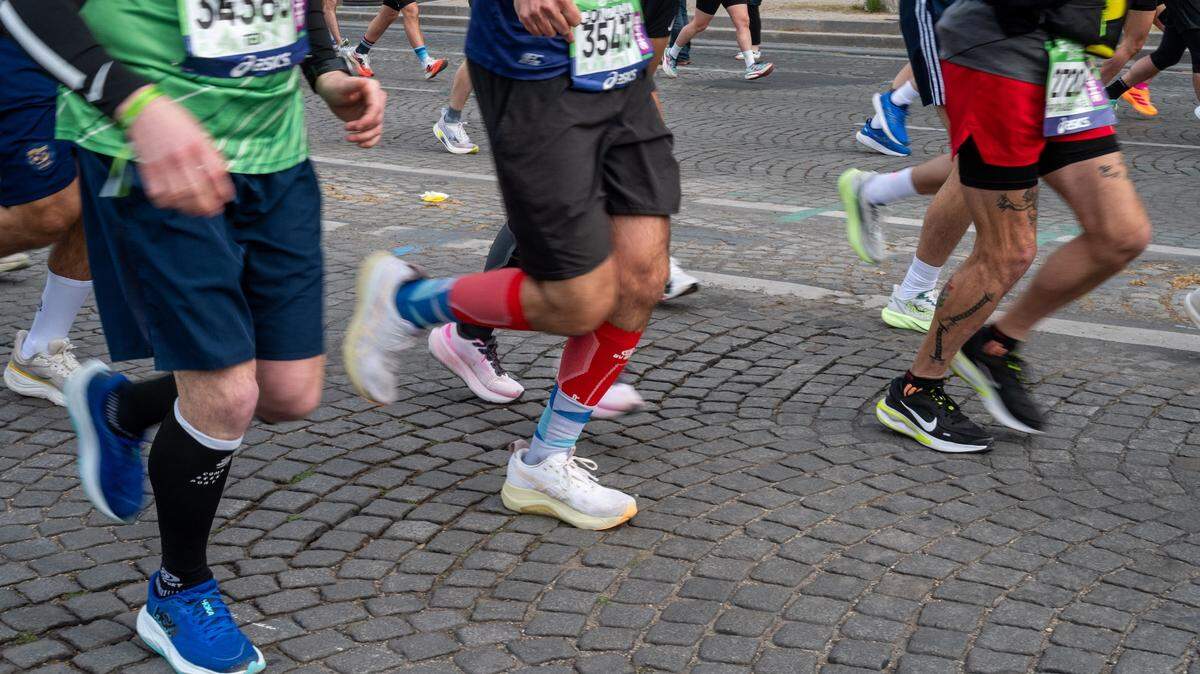
As runners chase faster times and longer distances, recovery science is catching up — and the nervous system is becoming the next frontier. Pulsetto, the brand behind a popular vagus nerve stimulation device, recently shared results from the HOKA Hackney Half Marathon Runner Recovery Project, a study conducted in conjunction with the HOKA Hackney Half Marathon in London. Participants reported feeling more relaxed and recovered, with measurable improvements in sleep, heart rate variability and training readiness.
The findings, which were released before Global Running Day on June 3, push the conversation about athletic recovery beyond ice baths and protein shakes — and toward what Pulsetto calls “Stress Fitness.”
What the Pulsetto Runner Recovery Study Found
The study investigated the role of vagus nerve stimulation in enhancing recovery, improving training readiness, promoting sleep quality and strengthening stress resilience among both recreational and competitive endurance athletes. Participants underwent an initial baseline assessment and were assigned individualized vagus nerve stimulation protocols designed by Pulsetto’s clinical team. Throughout the training period, researchers monitored weekly survey responses alongside wearable-device metrics, including heart rate variability (HRV), sleep quality and recovery readiness.
How Elite and Everyday Runners Used the Device
The study followed athletes across a wide spectrum of training loads and life demands. Elite runner Nicholas Bester, who hits 140 km+ per week, used Pulsetto in his everyday activities to prep for sessions and stay fresh. His data revealed improved HRV throughout the protocol, with recovery capacity remaining strong despite intense training. His reported freshness levels rose from seven to nine out of 10, and Pulsetto usefulness ratings reached nine out of 10.
“When I was training, the hardest part was trying to stay fresh between each race. I used Pulsetto after hard sessions and before bed each night to help me feel recovered mentally and physically,” Bester said.
Michael Adeniran, a dad of two who deals with daily stress and limited sleep, struggled to unwind after training and felt the weight of balancing workouts with real life. “The hardest part of training was a massive lack of sleep, being able to settle down, and finding time to rest,” he noted. With consistent use of Pulsetto, his self-reported ability to unwind in the evening and feel refreshed in the morning increased from three out of 10 to eight out of 10. His wearable metrics also showed a noticeable rise in top sleep scores over the course of the protocol. The improvements culminated in his fastest half marathon performance of the year at the HOKA Hackney Half Marathon.
“The biggest change since using Pulsetto has definitely been sleep and feeling less mentally overloaded. I wake up way more refreshed, and it helps me manage my stress,” Adeniran said.
What Stress Fitness Means for Athletes
Pulsetto is using the study to spotlight a new category it calls Stress Fitness — described as “the practice of proactively training the nervous system to become more resilient, which is the most overlooked variable in most athlete training programs.” The idea reframes recovery as something athletes train, not just something that happens between workouts.
“What this study reinforces is that recovery is just as much neurological as it is physical. The nervous system is the foundation that every other aspect of training is built on, and when athletes learn to train it intentionally, the results show up across sleep, readiness, and resilience. These runners showed what it looks like to prepare the nervous system the same way you’d prepare your muscles,” said Dr. Jone Pukėnaitė, Medical and Science Lead at Pulsetto.
According to the press release, the broader Stress Fitness movement is backed by a peer-reviewed, PubMed-indexed clinical study showing a 56% reduction in depressive symptoms, 45% reduction in anxiety and 41% improvement in sleep disturbances among participants. Pulsetto reports 300,000+ users globally and offers an AI-personalized Stress Resilience Score that adapts to each user’s biomarkers and usage history.
When Runners Should Use Pulsetto
The Pulsetto website has a page for athletes that recommends using the vagus nerve stimulation device at specific moments in a training week. The brand suggests using it after practice or games, before sleep, during travel after games or training, after dinner or on rest days, and 5+ hours before competition — but only if resting.
The page also features reviews from runners who have folded the device into their routines. “Balancing marathon training with everyday life can put a lot of stress on your body and nervous system. I’ve been using Pulsetto after harder runs to help my body switch out of that ‘go-go-go’ mode and into recovery. It’s not a magic fix, but alongside good sleep, nutrition and easy runs, it’s another tool that helps me look after my body and keep showing up for training,” runner Francesca Evans said on the website.
Runner Ari Petrou echoed the sleep angle: “I’ve recently incorporated Pulsetto into my daily routines & it’s been a game changer for me so far. I’ve been using it straight after my tougher runs to help bring my body back down and rejuvenate me for the rest of the day ahead and I genuinely feel more switched on afterwards. One of my favourite features is the sleep function, it’s become part of my evening routine. Helping me properly wind down and get deeper sleep which has made a big difference to how I’m recovering overall to help me get the best out of my upcoming sessions.”
Bester underscored the same point about sleep as the foundation of hard training: “The most important form of recovery is getting good sleep- You need to recover hard in order to train hard and hit optimal perforce levels.- Take recovery seriously, especially in this fast paced world we live in.- Often I find that when life stress is low, that’s when I am able to train at my full potential.”
This article was created by content specialists using various tools, including AI.