Body Temperature Often Signals Poor Circulation — Research Says You Can Improve Blood Flow Naturally
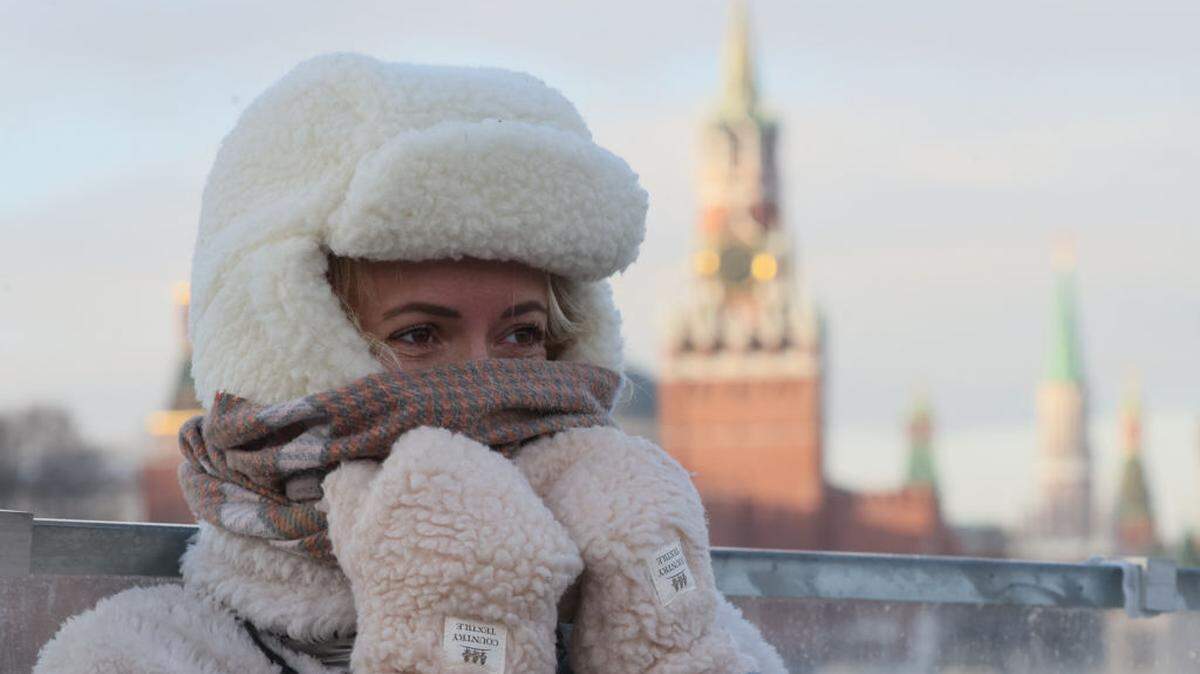
Most people think of circulation as a heart problem. But your body is actually giving you signals about blood flow all day long, and temperature is the most obvious one. The same system that makes your fingers go numb on a cold morning is the one researchers are now studying for everything from cardiovascular disease prevention to athletic recovery. A wave of 2026 research has clarified which everyday habits actually move the needle on blood flow, and several of them are simpler than most people expect.
Signs of Poor Circulation Worth Paying Attention To
The most familiar sign is cold hands and feet that don’t warm up at normal room temperature, often linked to restricted peripheral blood flow or Raynaud’s disease. But the symptom vascular specialists pay closest attention to is claudication, which is cramping or pain in the calves while walking that forces you to stop. Vascular surgeon Dr. Andrea Lubitz of Temple Health describes it as the most common early symptom of peripheral arterial disease.
Other signs include:
- Numbness or tingling in the hands and feet
- Swelling in the legs, ankles or feet from blood pooling
- Slow-healing wounds on the lower legs or feet
- Persistent fatigue or brain fog without an obvious cause
The Cleveland Clinic notes these symptoms often cluster, and the NHLBI flags non-healing wounds and persistent claudication as reasons to seek medical evaluation rather than self-treat.
How to Improve Circulation Naturally With Exercise and Diet
Exercise is the most evidence-backed intervention available. Aerobic activity strengthens the heart and conditions the arteries, and even short post-meal walks measurably improve blood flow. The 2026 AHA Dietary Guidance Statement reinforces movement as foundational cardiovascular support.
For anyone looking at how structured breathwork and cold exposure connect to circulation, the research on that overlap is worth understanding alongside the dietary basics.
Diet carries real weight here too. Key foods and habits worth building in:
- Nitrate-rich vegetables like leafy greens and beets support nitric oxide production, which helps blood vessels relax and open
- Citrus fruits reduce blood pressure and improve endothelial function via their flavonoid content
- Garlic, berries and tomatoes all have supporting evidence per the AHA guidance
- Ginger and turmeric contain vasodilatory compounds — a morning tea made with both is one of the easiest daily habits to add
- Cayenne supports microcirculation through its capsaicin content
- Hydration matters more than it gets credit for since dehydration thickens blood and slows everything down
- Quitting smoking stiffens vessels and reduces oxygen transport — the AHA flags it as one of the most modifiable cardiovascular risk factors
Why Cold Exposure Trains Your Circulatory System
The body uses temperature as a primary circulatory mechanism. When you’re cold, blood vessels in the extremities constrict to protect core warmth. When you warm up, they dilate again. Cold fingers that won’t warm up are often the first visible sign that the cycle isn’t running smoothly.
Training it deliberately is the idea behind cold exposure practices. An April 2026 meta-analysis of 80 studies found cold-induced vasodilation kicked in at an average of 7.9 minutes during cold water immersion below 20 degrees Celsius. A January 2026 review in Frontiers in Physiology confirmed adaptive cardiovascular benefits from repeated exposure.
Practical tools worth layering in:
- Cold showers — end a normal shower with 30 to 60 seconds of cold water as a low-barrier starting point
- Contrast therapy — alternating hot and cold cycles vasoconstriction and vasodilation in sequence, the mechanism behind the sauna-and-plunge format expanding in wellness studios in 2026
- Deep breathwork — diaphragmatic breathing supports the same cardiovascular pathways as cold exposure and can be practiced anywhere
- Acupuncture — a study by Tsuchiya and colleagues in Anesthesia and Analgesia found it raises nitric oxide levels around needle sites, increasing local circulation
- Dry brushing — sweeping a natural-bristle brush over the skin before bathing promotes surface blood flow and lymphatic drainage
- Massage — mechanically stimulates blood flow and reduces muscle tension that can restrict circulation
- Movement breaks — standing and moving every 30 to 60 minutes prevents blood from pooling in the lower limbs during long periods of sitting
People with heart conditions, high blood pressure or Raynaud’s disease should check with a doctor before starting cold exposure of any kind.
When Poor Circulation Needs a Doctor
Lifestyle changes can do a lot for everyday circulatory sluggishness. They aren’t substitutes for medical evaluation when symptoms are persistent. Claudication that doesn’t improve, wounds that won’t heal, sudden severe swelling and new numbness all warrant a clinician visit. Peripheral arterial disease is treatable, particularly when caught early.
This article was created by content specialists using various tools, including AI.