Are Fermented Pickles the Key to a Healthy Gut? Everything to Know About Their Beneficial Properties
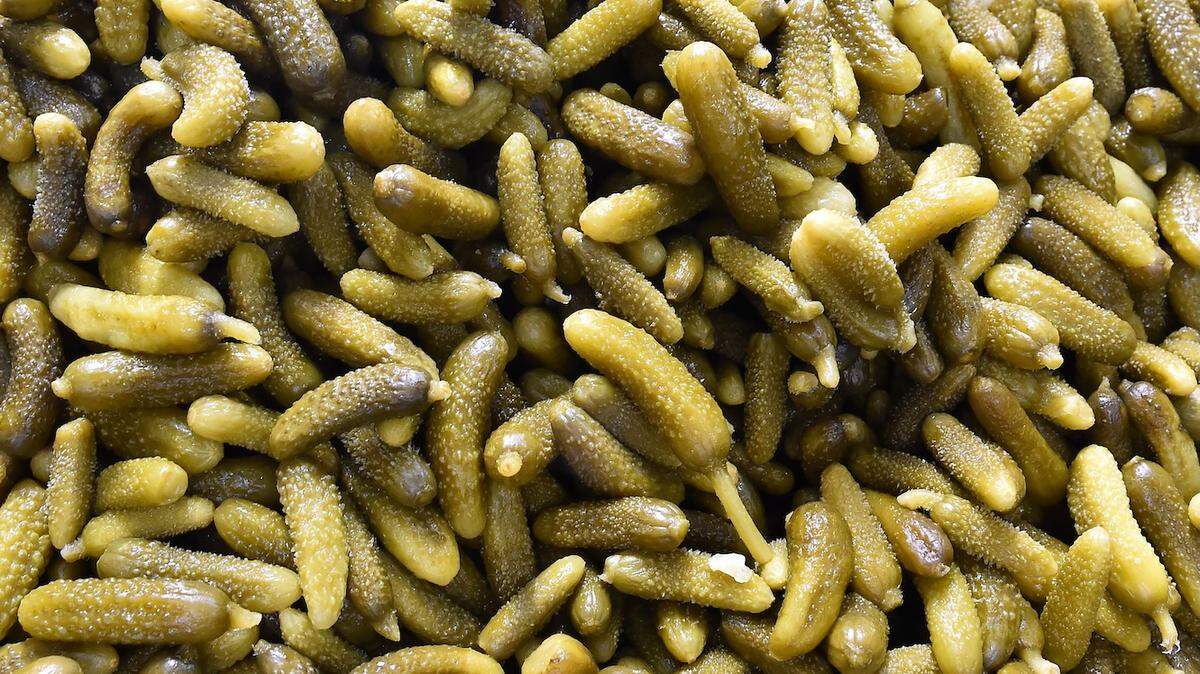
Pickles have a moment every summer, but the briny snack is getting fresh attention from nutrition researchers — and not every jar delivers the same benefits. The difference between a pickle that supports your gut and one that mostly just delivers salt comes down to how it was made.
Here’s what to know about pickles, where the health claims hold up and where they don’t.
Pickling vs. Fermentation: The Difference Matters
Not all pickles are fermented, and the distinction shapes whether the cucumber in your sandwich is doing anything for your gut. According to The Kitchn, “Pickling is a method of food preservation that works by immersing foods in an acidic solution, like vinegar, that changes both the taste and texture of the food. It also involves the use of heat, which serves to destroy and inhibit the growth of any microorganisms.”
Fermenting works differently. The process “doesn’t require an added acidic liquid or heat, and can be accomplished with as little as a container and salt,” per The Kitchn. It is one of the oldest methods of food preservation, and it typically takes longer than pickling while altering the food’s color, flavor and texture along the way.
The takeaway: a shelf-stable vinegar pickle and a refrigerated, salt-brined fermented pickle are not the same product, even if they look identical in the jar.
How to Spot Fermented Pickles That Support Gut Health
If you’re eating pickles for the probiotic benefits, you have to know what you’re looking for. Dr. Marily Oppezzo, PhD, MS, Head of the Lifestyle Medicine Nutrition Pillar, broke down what to seek out and where to find it.
“The pickles that are beneficial for your gut health are the fermented ones, made by brining them in salt rather than vinegar,” Oppezzo said, per Stanford Lifestyle Medicine. “While vinegar pickling is a common method, true fermentation in brine enriches them with beneficial probiotics for your gut. How can you spot these live bacteria-packed pickles? Check out the refrigerated section of your grocery store, as they won’t be found on the regular shelf.”
In other words: if the jar is sitting on a room-temperature shelf, it is almost certainly a vinegar pickle. The live cultures that benefit the gut microbiome don’t survive that environment.
Nutritional Benefits — and the Sodium Warning
Pickles bring more to the table than crunch. They are rich in vitamin K, vitamin A and vitamin C, and the fermented varieties add probiotics to the mix.
Amy Shapiro, MS, RD, CDN, told Real Simple that “[Fermented] pickles are a low-calorie food and rich in probiotics, which support a healthy balance of gut bacteria — a healthy gut microbiome is associated with improved digestion, reduced inflammation and enhanced immune response.”
But there’s a real catch worth knowing about before you reach for a second jar.
“One major downside of pickles is their high salt content,” Oppezzo said. “A single pickle can contain over two-thirds of the recommended daily sodium intake for an average adult. Excessive sodium can be detrimental to overall health, thus it is important to eat pickles in moderation. If you are going to have them and are watching your salt, eat after you’ve sweat a lot due to exercise or a sauna.”
For anyone managing blood pressure or watching sodium for other health reasons, moderation isn’t optional — it’s the whole game.
What the 2025 Fermented Pickle Study Found
The gut-health claims around fermented pickles got a notable research boost this year. A 2025 study published in the U.S. National Library of Medicine examined a 12-week community trial in rural Pakistan, where researchers investigated the effects of daily consumption of traditional fermented vegetable pickles on gut health and immune markers in adult women.
The study found that eating approximately 50 grams per day of fermented pickles led to measurable changes in the gut microbiota, including increases in beneficial bacteria such as Bifidobacterium and Prevotella, along with broader shifts in overall microbial community structure. Participants in the intervention group also showed reductions in stool-based markers of intestinal inflammation, suggesting an improved gut immune environment.
Some systemic immune-related blood parameters — including white blood cell and neutrophil counts — showed modest changes over the study period as well.
The authors were careful with their conclusions. Regular consumption of fermented pickles may beneficially modulate gut microbial composition and reduce gut inflammation, but the effects were moderate and should be interpreted within the context of a short-term dietary intervention rather than a clinical treatment.
How to Add Fermented Pickles to Your Routine
If you want to test the gut-health benefits for yourself, the practical playbook is straightforward. Head to the refrigerated section of the grocery store and look for pickles brined in salt rather than vinegar. Read labels — “naturally fermented” or “contains live cultures” are the cues you want.
For more information: Fermented Foods List: What to Eat for Better Gut Health and Benefits, According to Experts
This article was created by content specialists using various tools, including AI.
This story was originally published May 21, 2026 at 2:00 PM.