
The Beef Tallow Comeback in Fast Food: Nostalgia, Flavor, and Controversy
Beef tallow is having a moment. The rendered beef fat that once made fast food fries famous — then quietly disappeared from American fryers — is back on menus, back in headlines and back in the conversation about what we want our food to taste like. Chains are now marketing beef tallow as a feature, not a relic, and customers are paying attention.
The shift raises real questions for diners: Which restaurants actually fry in tallow? Why did chains abandon it in the first place? And what does its return say about how we think about fast food today?
Why fast food chains used beef tallow in the first place
Before vegetable oils took over commercial kitchens, beef tallow was the workhorse fat behind some of the most recognizable fried foods in America. It held up under high heat, resisted breakdown across long frying shifts and gave fries and other fried items a flavor profile that vegetable oils struggle to match. For decades, it was simply how things were done.
The appeal came down to a handful of practical advantages:
- A high smoke point that made it well suited to deep frying
- Stability under repeated heat, allowing for long fryer cycles
- A crispier exterior on fries and other fried items
- A savory, umami-rich flavor that vegetable oils lack
- Less likelihood of burning compared with butter
- Consistent texture from batch to batch
Those qualities made tallow the default for chains looking to deliver a recognizable product across thousands of locations.
Why chains moved away from beef tallow
The shift away from beef tallow wasn’t driven by taste — it was driven by health messaging, cost and the pressures of industrial-scale food production. Beginning in the late 20th century, nutrition advocacy groups pushed chains to drop animal fats in favor of vegetable oils, framing the change as a public health win. Restaurants followed, and tallow largely vanished from American fryers.
The main factors behind the switch:
- Health concerns around saturated fat
- Pressure from nutrition advocacy groups
- Consumer demand for “healthier” oils
- Lower costs and easier scaling with vegetable oils
- Standardization across industrial food production
The result was a more uniform, cheaper-to-produce product — but one that many longtime customers felt had lost something along the way.
Which fast food chains use beef tallow today
Beef tallow never disappeared entirely, and a handful of chains have either kept it or brought it back. The most prominent recent example is Steak ‘n Shake, which switched to 100% beef tallow fries across locations in 2025 and has heavily marketed the move as a return to classic frying methods. Other chains have quietly used tallow for years, sometimes as the secret behind their most popular menu items.
Popeyes is one of them. Writing for The Daily Meal, Chris Corlew notes: “Who knew the secret to great chicken might be beef? Popeyes uses tallow for all of their fried products. If you’ve ever tasted their Cajun fries, maybe this makes sense. Those fries are wonderfully crispy while maintaining a delightful creaminess in the middle.”
Smashburger takes a blended approach. Corlew writes: “Smashburger uses a blend of beef tallow and canola oil in its fryers. That means the fries and tots here will have that extra beefy kick. It’s a great complementary side to the Smashburger burger, which is juicy and cheesy. These fries may not be fried in 100% tallow, like some others on this list, but they’re still very memorable fries.”
How beef tallow shapes signature menu items
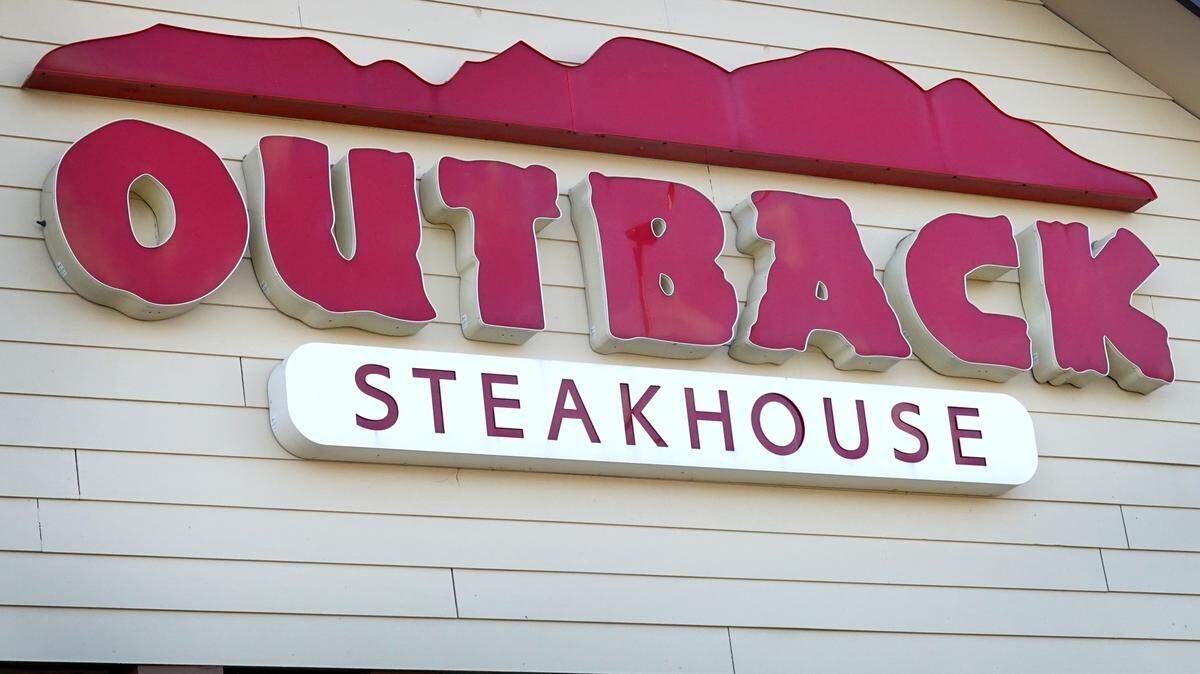
Outback Steakhouse is a case study in how much tallow can define a dish. The chain fries its famous Bloomin’ Onion in beef tallow, and the appetizer’s success is hard to overstate. Writing for Tasting Table, Jen Peng explains: “There’s a reason the Bloomin’ Onion is one of the most popular dishes at Outback Steakhouse — according to the Outback Steakhouse website, one out of every four appetizers ordered at the steakhouse chain is a Bloomin’ Onion, to a tune of more than 8 million a year — and that’s because it’s delicious. One of the secrets to the Bloomin’ Onion’s success comes from being fried in beef tallow. McDonald’s originally used tallow to make its iconic french fries, with many claiming that was the reason they were so good.”
That history — McDonald’s fries fried in tallow, then changed — is part of what makes the current revival feel meaningful. For many customers, beef tallow isn’t a new ingredient. It’s a return to a flavor they remember.
What the beef tallow revival means for diners
The comeback of beef tallow reflects a broader shift in how chains and customers think about fast food. After decades of marketing built around “healthier” vegetable oils, some restaurants are betting that diners care more about flavor, tradition and ingredient transparency than they do about following the conventional wisdom of an earlier era. Steak ‘n Shake’s open embrace of tallow as a marketing centerpiece suggests the calculation has changed.
For diners, the practical takeaway is simple: not every fry is fried the same way. Chains like Popeyes, Smashburger, Outback Steakhouse and Steak ‘n Shake offer a different experience than restaurants using standard vegetable oil blends, and the difference shows up in the crunch, the flavor and the finish. Whether beef tallow’s return becomes a lasting trend or a passing wave, it has already changed the conversation about what fast food can taste like.
Why Beef Tallow Is Making a Comeback in Home Cooking—and When It Actually Works Better Than Butter
This article was created by content specialists using various tools, including AI.