Off-Grid Travel Is the New Wellness Trend — Here Are 7 of the Best Digital Detox Destinations In 2026
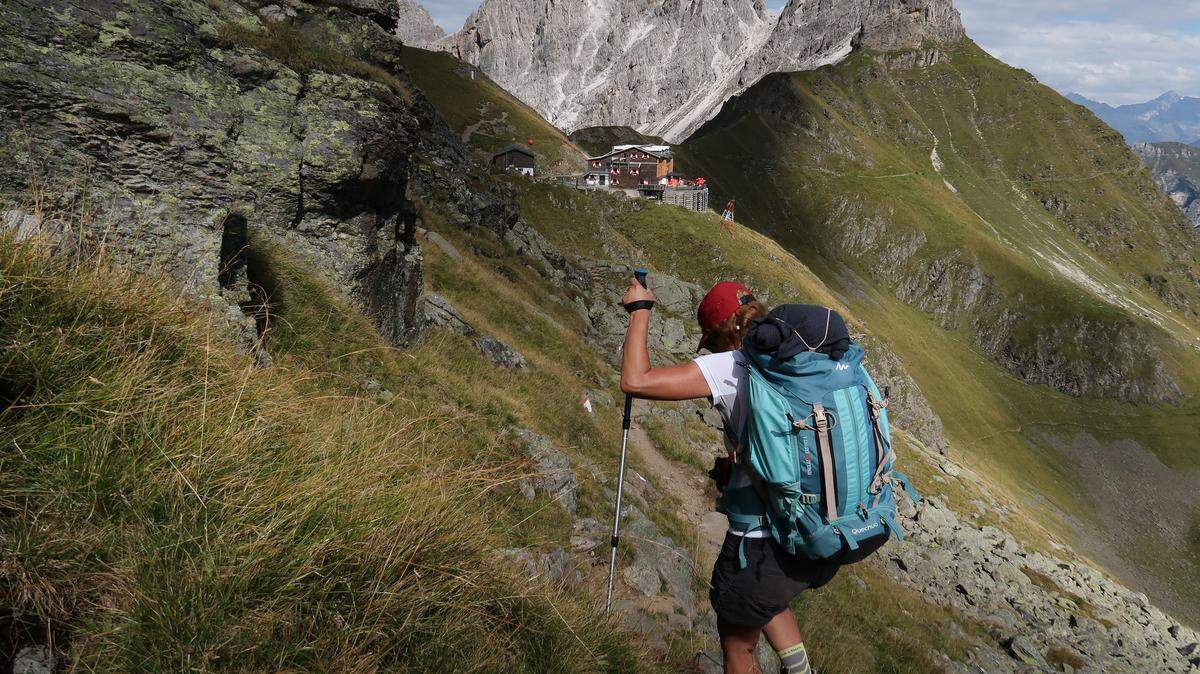
The average person now spends a full day each week online, and most adults say they hate how much time they lose to their phones. That backlash is reshaping how people vacation — and off-grid travel is emerging as the defining trip of 2026.
From a car-free island off Maine to an electricity-free oasis in Egypt’s Western Desert, travelers are choosing destinations where disconnection is built into the experience, not just suggested by a hotel spa menu.
What Off-Grid Travel Actually Means
Off-grid travel is a deliberate move away from screens, resort culture and always-on connectivity. Instead of pairing a beach with Wi-Fi-strong cabanas, off-grid trips lean into slower rhythms, nature and face-to-face contact.
That can look like a riad in Morocco’s Rif Mountains, a mud-and-salt guesthouse in the Sahara or a New England island where the only way around is on foot. The common thread: limited phone use is part of the appeal, not a sacrifice.
Why Off-Grid Travel Is Booming In 2026
The shift is driven by hard numbers about how much of life is spent staring at a screen. Research from It’s Time To Log Off found that the average person spends one full day each week online, and 34% of people had checked Facebook within the last 10 minutes. Sixty-two percent of adults surveyed said they “hate” how much time they spend on their phones.
Travel data points in the same direction. According to Skyscanner, 44% of people feel more open to meeting others when they travel — and putting the phone away makes those spontaneous conversations far more likely, especially among solo travelers.
Best Places to Go Off-Grid In 2026
Seven destinations stand out for travelers who want disconnection built into the itinerary:
- Tetouan, Morocco. A white-washed city below the Rif Mountains with a UNESCO-listed Medina shaped by Spanish, Jewish and Moorish history. Visitors stay in traditional riads and hike surrounding trails — a quieter alternative to nearby Chefchaouen.
- Siwa Oasis, Egypt. Roughly nine hours west of Cairo, Siwa is known for salt pools, palm groves and the Oracle of Ammon, where Alexander the Great is said to have been declared divine. Visitors swim in Cleopatra’s Bath and stay in electricity-free lodgings built from kershif, a traditional mud-and-salt mix.
- Kangaroo Island, Australia. Off the coast of South Australia, the eco-focused island is home to koalas, sea lions and seven national parks, including Flinders Chase. Hiking, diving, seal swimming and local honey, seafood and wine anchor the experience.
- Tubagua, Dominican Republic. A mountain village near Puerto Plata where eco-lodges replace coastal resorts. Travelers swap all-inclusive beaches for jungle, farmland and community tourism rooted in village life.
- Monhegan Island, Maine. A remote, car-free island where travel happens on foot along dirt paths and forest trails. Hiking to Monhegan Lighthouse and birdwatching during migration seasons define the days, with the Atlantic as a constant backdrop.
- Freiburg and the Black Forest, Germany. A gateway to Black Forest National Park, with spruce forests, lakes and hiking routes — plus snowshoeing and cross-country skiing in winter, and far fewer crowds than Germany’s bigger draws.
- Northern Iceland. The quieter counterpart to Reykjavik and the Golden Circle, with geothermal pools, lava caves, waterfalls and small coastal towns drawing a fraction of the south’s tourist traffic.
Each destination leans on the same idea: the less time spent on a phone, the more the trip gives back.
For more information: No-Phone Retreats 2026: 8 Destinations for the Ultimate Digital Detox Vacation
This article was created by content specialists using various tools, including AI.