No-Phone Retreats 2026: 8 Destinations for the Ultimate Digital Detox Vacation
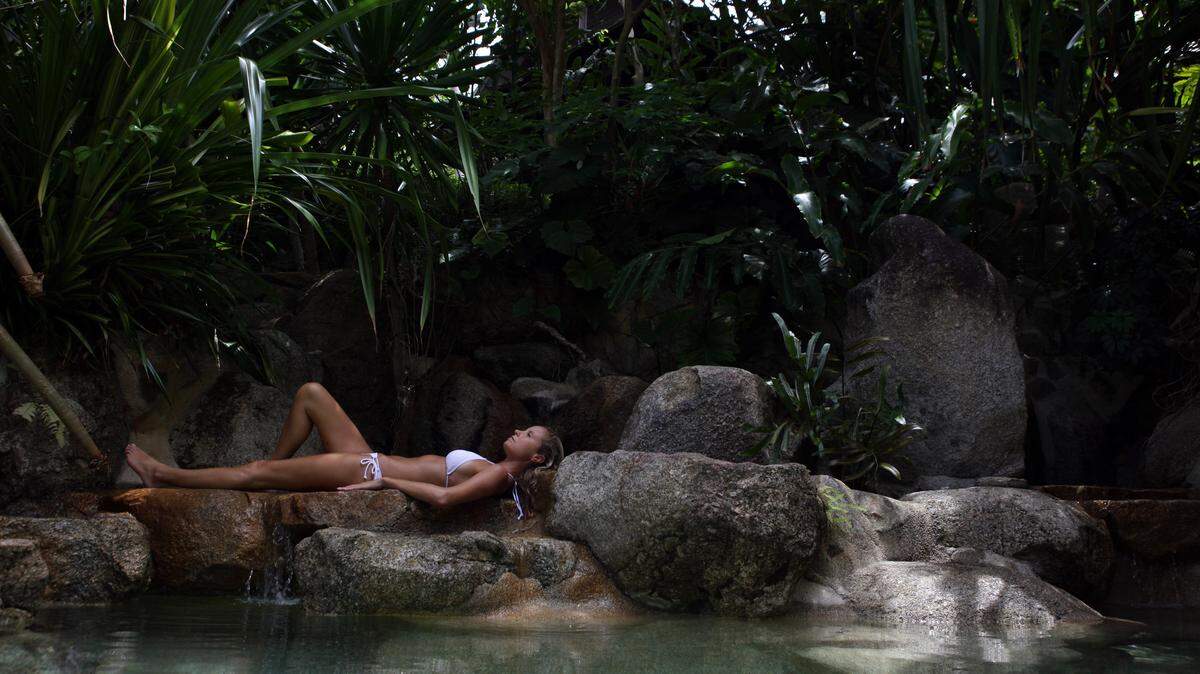
No-phone retreats are surging in popularity as burned-out travelers look for vacations that force them off their screens, with luxury resorts now locking up devices at check-in or marketing themselves as Wi-Fi-free.
What Are No-Phone Retreats and Why Is the Digital Detox Trend Growing?
No-phone retreats are vacations built around disconnecting from devices, with high-end resorts and wellness properties asking guests to surrender, lock up or sharply limit phone use at check-in to encourage mindfulness and reduce screen dependency.
The trend reflects a measurable shift in how people want to travel. According to the 2025 Hilton Trends Report, 27% of adults planning to travel said they intended to reduce social media use during their holidays. Luxury rental platform Plum Guide reported a 17% rise in searches for unplugged, tech-lite properties.
Research from It’s Time To Log Off found the average person spends one full day each week online, while 34% of people checked Facebook within the last 10 minutes. Sixty-two percent of adults surveyed said they “hate” how much time they spend on their phones.
Martin Dunford, founder and CEO of Cool Places, told the BBC in 2025: “We used to have a tag to show which properties had wi-fi. Now we’re adding a ‘no wi-fi’ tag.”
The format varies widely. Some retreats enforce silent meditation for multiple days. Others swap screen time for llama trekking, whitewater rafting or scuba diving. A few sit so far off the grid that cell signal isn’t an option in the first place.
Where Can You Book a No-Phone Retreat or Unplugged Wellness Vacation in 2026?
Travelers can book no-phone retreats across Bali, Montana, the Bahamas, Portugal, Spain, Italy, Canada and Costa Rica, with options ranging from silent meditation stays to ultra-remote wilderness resorts reachable only by floatplane.
In Bali, Ditch Your Desk Adventures offers a digital detox focused on intentional tech use rather than a full phone ban. Mornings include movement, journaling and wellness rituals, followed by workshops on focus and online income streams. The retreat also features sound healing temples, sunset BBQs, fire ceremonies, saunas and cold plunges.
In Montana, Sage Lodge sits 35 minutes north of Yellowstone National Park on more than 1,200 acres along the Yellowstone River. The 50-room property replaces screen time with llama trekking, whitewater rafting, wood burning, candle making and plein air painting.
In the Bahamas, Tiamo Resort is reachable only by boat or seaplane. The 11-villa resort has no TVs or desks in the villas and offers private verandas, canoe rides over coral reefs, sailing excursions and scuba diving.
European options lean toward structured wellness. The 5-Day Silent Hridaya Meditation Retreat in Monchique, Portugal, spends three of its five days entirely in silence. The 4 Day Private Breathwork Retreat Journey in Spain in Finestrat is offered only around equinoxes and solstices and centers on breathwork and shamanic rituals. In Tuscany, the 7-Day Mental and Digital Detox at Adhara Retreat focuses on rewiring the nervous system through yoga and guided workshops.
For deeper remoteness, Nimmo Bay Wilderness Resort in Canada’s Great Bear Rainforest replaces phone signal with heli-hiking, fly fishing and guided meditation. In Costa Rica, ORIGINS Lodge sits 3,100 feet above sea level across 111 acres of jungle, offering horseback riding, cloud forest hikes, kayaking and private wood-fired hot tubs with volcano and lake views.
How Long Does It Take to Adjust to a No-Phone Retreat?
Most guests adjust to no-phone retreats within 48 hours, according to Cool Places founder Martin Dunford, though the first 24 hours can feel jarring as travelers detach from constant notifications and screens.
“Guests go stir crazy in the first 24 hours. But after 48 hours they are well adjusted and start getting into other activities,” Dunford told the BBC in 2025. By the end of a three-day stay, he said, many guests are indifferent about getting their phones back.
That adjustment curve helps explain why most digital detox retreats run at least three to five days. Shorter stays don’t give the nervous system enough time to settle out of reactive scrolling patterns, which is why properties like Adhara Retreat in Tuscany build their programs around an eight-day arc and the Hridaya retreat in Portugal commits guests to five days, three of them in full silence.
The research backs up why travelers are willing to push through the initial discomfort. It’s Time To Log Off found 62% of adults surveyed said they “hate” how much time they spend on their phones, and 34% had checked Facebook within the previous 10 minutes. For many guests, the retreat is less a vacation than a forced reset — one most properties are betting will keep them coming back.
This article was created by content specialists using various tools, including AI.
This story was originally published May 15, 2026 at 1:41 PM.