Medicaid Work Requirements Are Here: What to Know About 2026 Changes, Exemptions and Coverage Protection
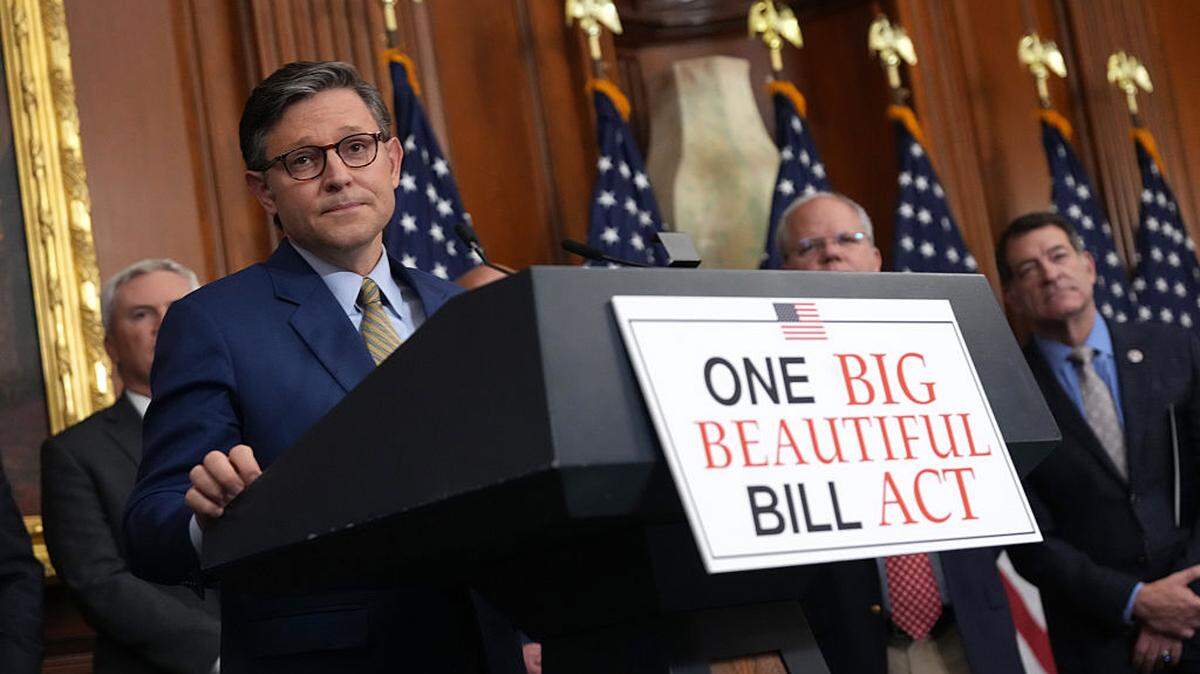
Nebraska became the first state in the nation to enforce Medicaid work requirements on May 1, 2026, kicking off a rolling national rollout eight months ahead of the federal deadline set by H.R. 1, the “One Big Beautiful Bill.” If you’re on Medicaid, or you’re helping a parent, partner or adult child who is, here’s what you need to know right now to protect your coverage through 2027 and beyond.
What the New Medicaid Work Requirements Actually Mean for You
Adults ages 19 to 64 in Medicaid expansion must work, volunteer, attend school or participate in a work program totaling 80 hours per month. Earning at least $580 per month also satisfies the requirement. Compliance gets verified at application and at least every six months at renewal.
The Congressional Budget Office projects the requirements will apply to 18.5 million Medicaid enrollees nationally and cause about 5.3 million people to lose coverage by 2034, as reported by KFF Health News. The Urban Institute estimates around 25,000 Nebraskans alone could lose coverage.
The Medicaid Work Requirements Rollout Calendar by State
Your state’s enforcement date is the most useful piece of information you can have right now. KFF’s tracker keeps this updated as states finalize plans:
- May 1, 2026: Nebraska (live now)
- July 1, 2026: Montana enforcement begins; Arkansas starts soft implementation
- December 1, 2026: Iowa
- January 1, 2027: All remaining 43 required states
States making a good-faith effort toward compliance may receive extensions through December 31, 2028. Between June 30 and August 31, 2026, every state is federally required to notify affected enrollees by mail plus at least one additional channel. If you haven’t heard from your state yet, you likely will this summer.
Who’s Exempt From Medicaid Work Requirements and May Not Know It
This is where the most confusion lives. Many people who assume they’ll need to start logging hours actually qualify for an exemption and don’t have anything extra to prove. Per the federal law, exemptions cover:
- Parents and caregivers of children 13 and under or of a disabled individual
- Veterans with a total VA disability rating
- People 65 and older, those on Medicare and SSI recipients
- Pregnant and postpartum individuals
- People deemed “medically frail,” including those with disabling mental health conditions, substance use disorders or complex chronic conditions
- Foster youth under 26 and American Indian or Alaska Native members eligible for Indian Health Services
If you’re managing a chronic condition, caring for a grandchild full-time or supporting a disabled family member, you may already qualify. The task isn’t proving you work. It’s knowing you don’t have to prove it.
How to Protect Your Medicaid Coverage Right Now
Don’t wait for a letter to take action. A few steps taken now can prevent coverage loss later.
- Update your contact information today. Log in to your state Medicaid portal or call the office to confirm your mailing address, email and phone are current.
- Sign up for USPS Informed Delivery. It’s free and sends you scans of incoming mail so you’ll see Medicaid notices before they arrive.
- Watch your mail between July and September 2026. That’s when required state notifications go out to most enrollees nationwide.
- Gather exemption documentation now. Caregiver records, VA disability paperwork, medical documentation and pregnancy verification can take time to pull together.
If you’re not sure whether you’re subject to the requirements or qualify for an exemption, call your state Medicaid office directly. You can also check your state’s status anytime at KFF’s tracker above, which is updated regularly through 2027.
This article was created by content specialists using various tools, including AI.
This story was originally published May 1, 2026 at 11:17 AM.