Vitamin D Supplements Boosted Breast Cancer Treatment Success by 79% — Here’s What That Means for You
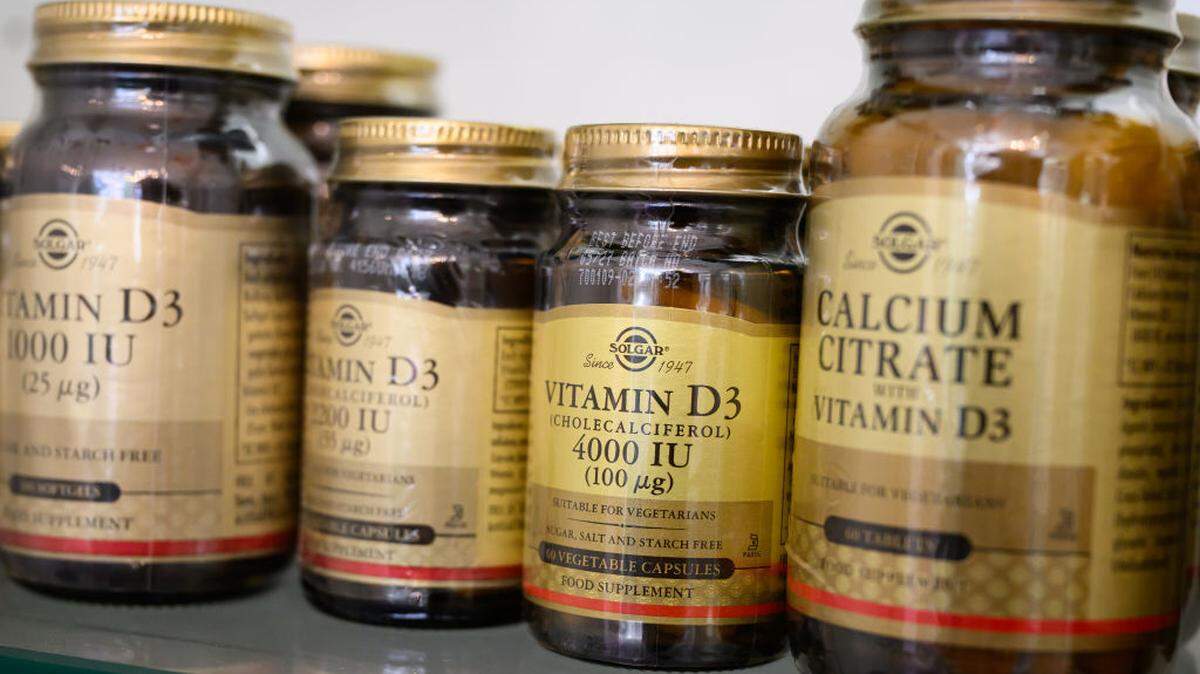
A new clinical trial is reframing one of the most common supplements in your medicine cabinet. Researchers found that adding a daily vitamin D supplement to standard chemotherapy nearly doubled the rate at which breast cancer tumors disappeared completely — a finding that’s pulling fresh attention to a nutrient most Americans aren’t getting enough of.
The randomized clinical trial, published in Nutrition and Cancer and newly making waves this week, followed 80 women over age 45 receiving neoadjuvant chemotherapy at São Paulo State University in Brazil. Half took a daily 2,000 IU dose of vitamin D alongside their treatment. The other half got a placebo.
After six months, 43% of women in the vitamin D group saw their cancer disappear completely — compared with just 24% in the placebo group. That gap represents a 79% relative increase in the rate of full remission.
Why This Small Breast Cancer Study Is Worth Paying Attention To
Researchers are clear: this was a small trial, and they’re calling for larger studies before clinical adoption. But it doesn’t stand alone. A 2024 meta-analysis found that adequate vitamin D levels were tied to a 22% reduction in non-response to chemotherapy and a 35% reduction in disease progression risk.
Scientists believe vitamin D may work as a “chemosensitizer” — essentially helping cancer-fighting drugs work more effectively at the cellular level. It’s a quiet mechanism, and that’s part of what makes it worth watching.
Who’s Most at Risk for Vitamin D Deficiency
The study lands in a country where low vitamin D is remarkably common. Nearly two-thirds of Americans have insufficient levels, and women are among the highest-risk groups. Risk runs higher for people with darker skin tones, limited sun exposure, obesity, or conditions that affect nutrient absorption.
Symptoms of vitamin D deficiency can include fatigue, muscle weakness, frequent illness and low mood. However, plenty of people show no signs at all, which is why blood testing matters more than guessing.
How Much Vitamin D You Actually Need
The 2,000 IU used in this study is notably higher than the NIH’s standard daily recommendation of 600 IU for adults up to age 70, and 800 IU for those older. It remains well within the range researchers describe as safe and effective for correcting deficiency, and well below the NIH’s safe upper limit of 4,000 IU per day for adults.
That said, this isn’t a reason to self-prescribe — especially for anyone in active cancer treatment. Dosing in that context is a conversation for an oncologist, not the supplement aisle.
How to Choose a Good Vitamin D Supplement
If you and your doctor decide supplementation makes sense, the form you choose matters. Most experts recommend D3 (cholecalciferol) over D2 (ergocalciferol) for everyday supplementation. D3 is the same form your skin produces from sunlight, and research consistently shows it raises and maintains blood levels more effectively than D2.
A few practical things to look for:
- D3 on the label. Over-the-counter supplements are usually D3, which is what you want. D2 shows up more often in prescription-strength formulas and fortified foods.
- Third-party testing. Look for a certification from USP, NSF International or ConsumerLab. These independent organizations verify that what’s on the label is actually in the bottle.
- Take it with fat. Vitamin D is fat-soluble, so it absorbs better when you take it with a meal that includes some healthy fat — think avocado, eggs or olive oil.
- Skip the unnecessary extras. A clean supplement doesn’t need artificial colors, fillers or a long ingredient list.
- Vegan? Look for lichen-derived D3. Most D3 is sourced from lanolin (sheep’s wool), but lichen-based D3 options are widely available and deliver the same potency.
The Practical Step Most People Can Take Right Now
This research doesn’t prove vitamin D prevents breast cancer, and it doesn’t transform treatment overnight. What it does is sharpen a question worth asking your doctor at your next visit: what are my vitamin D levels, and are they where they should be?
A blood test can tell you in minutes. Correcting a deficiency is one of the most accessible interventions in everyday health and now there’s a compelling new reason to stop putting off that conversation.
This article was created by content specialists using various tools, including AI.