
Hidden Gardening Mistakes New Gardeners Make That Quickly Ruin Healthy Plants
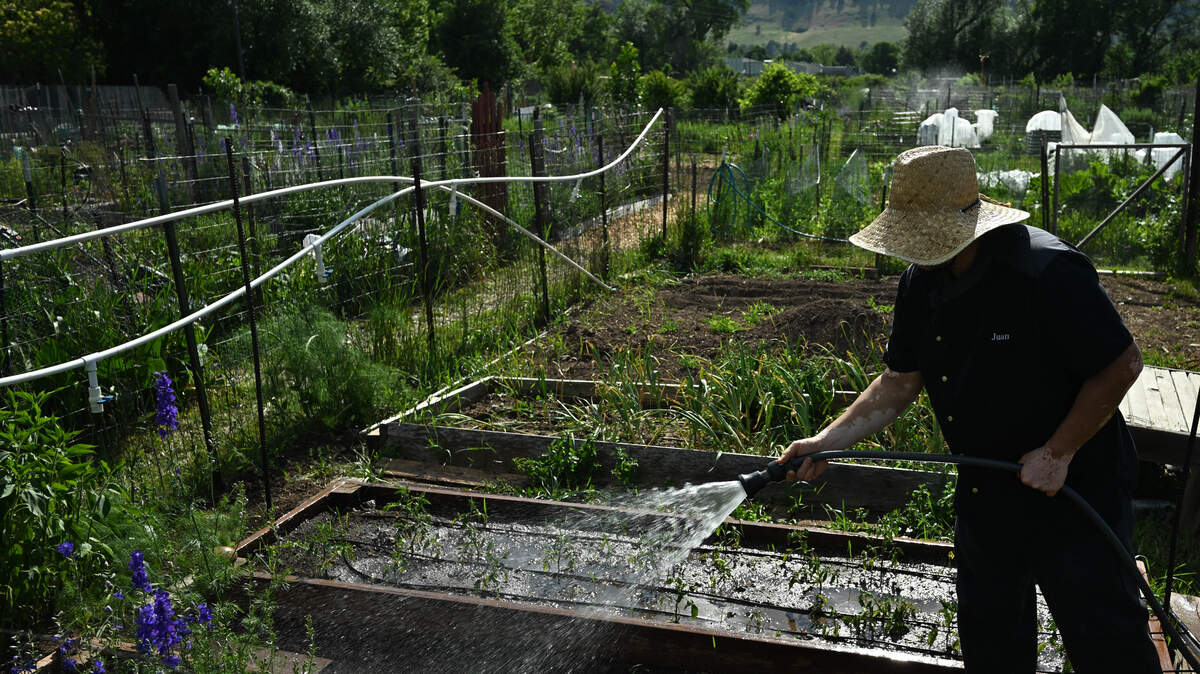
Look, we’ve all been there: a hopeful trip to the garden center, a few bags of soil and starter plants, a weekend of planting with big dreams—and then… wilting leaves, yellowing stems, patchy growth, and something that just never quite thrives the way you pictured. If your garden beds or houseplants are starting to feel like a disappointment, you’re not a failure — you’re probably making a few of the same beginner gardening mistakes that quietly stunt, stress, or kill plants every season.
Here’s a breakdown of where new gardeners usually go wrong, and how to keep your plants healthy, strong, and actually thriving.
You’re loving them to death (a.k.a. overwatering)
This is the big one. Most beginners assume more water equals a happier plant. Wrong. Constantly soggy soil suffocates roots and invites rot — the plant equivalent of trench foot.
The fix isn’t guesswork or the “stick your finger in and hope” method. Mary Marlowe Leverette at The Spruce writes: “If you don’t want dirt under your nails or question the reliability of your finger, there’s a tool for you. A soil moisture meter is precise and reads more than just the top inch of soil. Usually battery-operated, the meter has one or two metal probes that can measure soil moisture up to 12 inches deep. Easy to use, some moisture meters also read the light conditions around a plant as well as the soil pH.”
Translation: a cheap probe takes the panic out of watering. Stab it in, read the number and water only when the soil is actually dry down where the roots live — not just on the surface, where the top crust dries out in a day.
You’re putting plants in the wrong light
A full-sun plant shoved into a shady corner won’t grow. A shade-lover blasted by a south-facing window will scorch. Two big tells:
- Stretchy, leggy stems reaching toward the window = not enough light
- Crispy, bleached or brown patches on leaves = too much direct sun
Before you buy, check the tag. Then look at where you’d actually put it — apartment dwellers, that means honestly assessing your one decent window, not your wishful one.
You’re using the wrong soil
This one quietly kills more plants than overwatering’s flashier victims. Two traps:
- Garden soil dumped into a container compacts into a brick that holds water and chokes roots
- The cheapest bag of “potting mix” often drains poorly or has no nutrients to speak of
Spend a few extra dollars on a real potting mix labeled for containers or for your specific plant type. Your roots will thank you.
You’re crowding them
Cute as a packed pot looks on Instagram, plants need airflow and room for roots. Crowding leads to disease, pests and stunted growth.
Troy Hake, a lawn and garden expert, told The Spruce: “Overplanting seeds leads to intense plant competition for essential growth resources like water, sunlight and nutrients, which can result in weaker, spindly plants that never reach their full potential.”
Same logic applies indoors. Give each plant its own pot or honest breathing room in a planter.
You’re planting at the wrong time
If you’re moving anything outdoors, timing matters. Planting too early means frost damage; planting too late means heat stress. Either way, you’re stacking the deck against a plant that hasn’t even rooted in yet. Check your local frost dates before you go all-in on seedlings.
You’re spraying the leaves instead of the roots
Misting feels nice. Misting is also how fungal disease spreads, especially in heat or humidity.
Ankit Singh, assistant professor and ornamental horticulture educator at the University of Maine Extension, said in Martha Stewart: “Prolonged moisture on foliage and flowers provides ideal conditions for fungal and bacterial pathogens.” She added that flowers with wet petals can collapse quickly.
The takeaway: water the soil, not the show. If you have a humidity-loving plant, water it in the morning so any wet leaves dry before nightfall.
You’re fertilizing too much — or not at all
There’s a Goldilocks zone here, and beginners tend to live at one extreme or the other:
- Too much fertilizer burns roots and leaves crispy brown edges
- None at all leaves growth slow and leaves pale
A balanced houseplant fertilizer at half-strength every few weeks during the growing season is a safe starting point for most common indoor plants.
The real mindset shift
The plants you’re killing aren’t being dramatic — they’re telling you something with the only language they have: leaves, soil and roots. A $10 moisture meter, the right bag of potting mix and a window that actually matches the tag will do more for your collection than any aesthetic shelf setup. Keep them alive first. The vibes follow.
This article was created by content specialists using various tools, including AI.