What Really Happens When You Take L-Theanine for Better Sleep at Night
A lot of people are quietly rethinking their relationship with melatonin right now. A November 2025 study presented at the American Heart Association’s Scientific Sessions found that long-term melatonin use in people with insomnia was linked to a significantly higher chance of heart failure over five years, sparking a wave of interest in non-hormonal sleep alternatives. Experts note the findings don’t prove cause and effect, but the conversation has shifted.
Into that gap steps L-theanine, a natural sleep aid that’s been quietly building a case in the research. So what’s actually happening in your brain when you take it?
Why L-Theanine Works Differently Than Other Sleep Aids
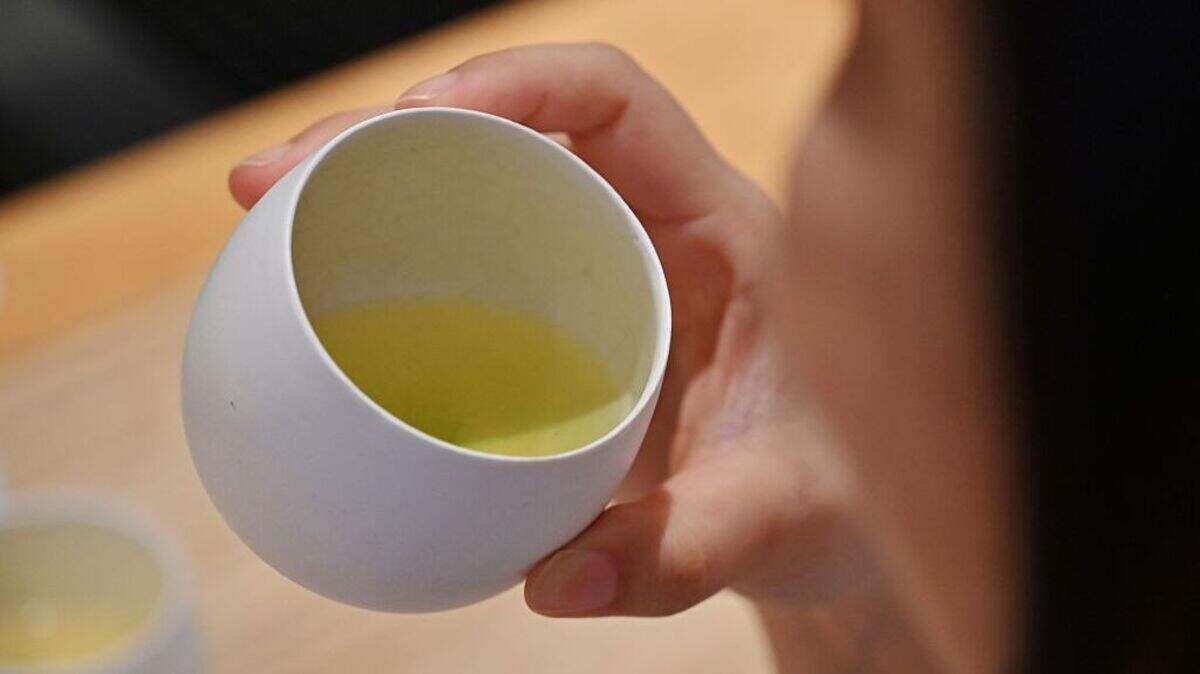
L-theanine is an amino acid found almost exclusively in green tea leaves. The FDA classifies it as Generally Recognized As Safe (GRAS) up to 250mg per serving, and it won’t leave you groggy the next day.
Here’s the key difference: it doesn’t act like a sedative. Instead of pushing your body toward sleep, it creates the brain conditions that make sleep easier to reach. It does this by boosting alpha brain waves, the same relaxed mental state you’re in during meditation or in those calm, drifty minutes right before you fall asleep.
At the same time, it nudges up levels of GABA, serotonin and dopamine while bringing down norepinephrine, the chemical linked to alertness and stress. The overall effect is a quieter, less reactive brain, without any drowsiness.
It also crosses the blood-brain barrier reliably, which makes it more consistent than oral GABA supplements, whose brain uptake is less predictable.
If you’ve ever lain awake replaying conversations or running through tomorrow’s to-do list, that’s exactly the pattern this targets.
What the Latest Sleep Research Actually Says
A 2025 systematic review published in Nutritional Neuroscience analyzed 13 trials across 550 participants ages 9 to 57. Beneficial effects showed up in 9 of those 13 trials, with improvements in how quickly people fell asleep, how well they stayed asleep and how rested they felt on waking.
The authors concluded that 200 to 450mg per day appears safe and effective for supporting healthy sleep in adults. Worth noting: total sleep time didn’t consistently increase. What improved was the quality and ease of the sleep people were already getting.
A separate 2025 meta-analysis in Sleep Medicine Reviews looked at 19 randomized controlled trials with 897 participants and found L-theanine significantly improved how long it took people to fall asleep, how they functioned during the day and overall sleep quality scores.
Both reviews flagged limited or mixed results for people with a clinical insomnia diagnosis, so it’s worth knowing if that’s your situation.
Who Gets the Most Out of L-Theanine for Sleep
The evidence is strongest for people whose main sleep issue is a busy or anxious mind at bedtime. Research shows the effects are most pronounced in people with higher baseline anxiety, meaning those who come in already wound up tend to notice the biggest difference. If you sleep fine when life is calm but struggle when it’s stressful, that’s the profile L-theanine fits best.
It’s less likely to be a complete solution for clinical insomnia or sleep apnea. But for everyday sleep anxiety and those nights your brain just won’t switch off, it’s one of the more evidence-backed non-habit-forming options out there.
What you’re likely to notice first: quieter thoughts at bedtime, less resistance to winding down and an easier time actually drifting off.
How Much L-Theanine to Take and When
Most studies used 200 to 400mg taken 30 to 60 minutes before bed. That’s a much higher dose than a cup of green tea delivers, so if you already have a nightly tea ritual, you’re getting a trace amount but probably not enough to feel a difference.
A few things worth knowing: the FDA GRAS designation covers up to 250mg per serving, while research-backed doses go up to 450mg. And while many studies tested L-theanine on its own, others combined it with GABA or magnesium, meaning standalone evidence is solid but still developing.
The pairing with magnesium is gaining real traction in natural sleep support circles and has its own growing research base. If you’re already taking one or curious about both, that combination is worth looking into separately.
L-theanine won’t knock you out. But if what’s standing between you and sleep is an overactive mind, two 2025 research reviews suggest it may be one of the more honest, evidence-backed ways to quiet it down.
This article was created by content specialists using various tools, including AI.