Did You Know You Can Forage Your Own Fridge? Here’s How Empty Nesters Are Saving Money on Groceries
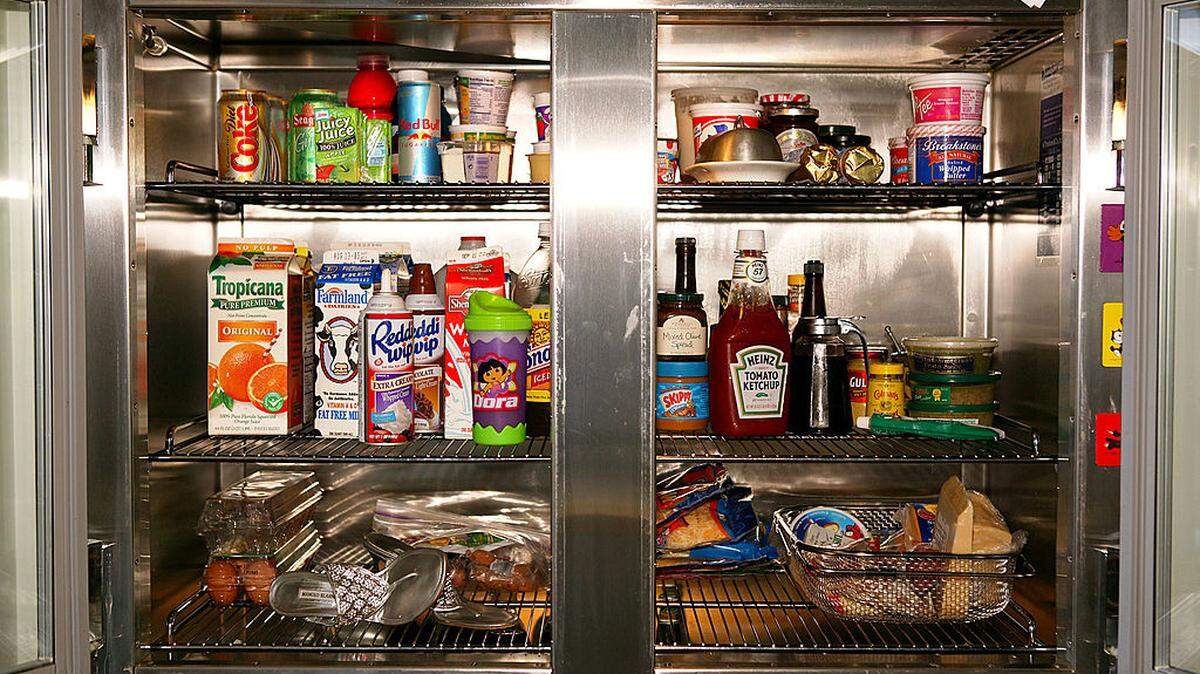
You’ve spent decades feeding a family. You know your way around a kitchen. But now that you’re cooking for one or two, something frustrating keeps happening: half a bell pepper goes soft in the crisper, a partial can of tomatoes gets shoved to the back of a shelf and a package of chicken sits a day too long.
You’re not alone, and the cost of that waste adds up far more than most people realize.
The Number That Should Stop You in Your Track
The EPA’s April 2025 report puts the cost of food waste to a household of four at $2,913 per year. Even a smaller household throwing away a fraction of that is losing real money, and on a fixed income, that matters.
Nationally, the U.S. generated 70 million tons of surplus food in 2024, about 29% of the entire food supply, per the 2026 ReFED U.S. Food Waste Report. Consumers spend more than $762 per person every year on food that goes uneaten.
That last point deserves attention. It’s not that you lack cooking skills. It’s that most recipes assume you’re starting fresh, not working with what’s already open in the fridge. However, it turns out there’s a simple trend gaining real traction that addresses exactly this gap.
Fridge Foraging: A Practical Approach That’s Gone Mainstream
Fridge foraging is the practice of using up whatever’s already in your refrigerator before buying more, turning odds-and-ends ingredients into real meals. It’s been circulating on TikTok and across social media through formats like the kitchen sink sandwich (layer everything left in the fridge between two slices of bread), snack plates (a no-cook spread of cheese, fruit, dips and whatever else needs to go) and fridge cleanout meals like soups, frittatas and grain bowls.
What’s interesting is that these aren’t just trends for younger cooks. As of January 2026, nearly two-thirds of consumers remained extremely or very concerned about high grocery prices, and comfort food was the top in-home meal priority for 55% of consumers across generations, per FMI data cited in IFT’s March 2026 food trends report. That 55% figure spans every age group. People want satisfying, familiar meals made at home. That’s something you already know how to do.
The Meals That Welcome Whatever You Have on Hand
The best fridge-foraging meals are formats, not fixed recipes. They absorb almost any ingredient combination, which makes them ideal when you’re working with smaller, mismatched quantities.
Soups are perhaps the most forgiving. A pot of broth can take on leftover vegetables, grains, beans or bits of protein without requiring anything to match. Made on Monday from Sunday’s odds and ends, it’ll easily carry you through two or three lunches.
Frittatas are another reliable option. Eggs, a handful of whatever vegetables or cheese you need to use and 20 minutes in the oven give you a meal that works for breakfast, lunch or dinner.
Grain bowls built on leftover rice can be topped with nearly anything: roasted vegetables, a fried egg, a drizzle of whatever sauce is sitting in the door of your fridge.
And don’t overlook the snack plate. It sounds casual, but building a no-cook spread from fridge odds and ends is a genuinely practical, no-waste meal that works especially well when you’re not particularly hungry but still need to eat something real.
Making the Most of What You Already Have
None of this requires new techniques or specialty ingredients. It just requires a small shift in habit: before you head to the store, look at what’s already in the fridge and build from there. Even modest changes in how you use what you buy can put meaningful money back in your pocket, and a satisfying meal on the table tonight.
This article was created by content specialists using various tools, including AI.