
The Truth About Facial Tools: What Really Improves Your Skin and What Isn’t Worth Buying
If you’ve spent any time researching ways to address fine lines, loss of firmness or dull skin without booking a dermatologist appointment every month, you’ve likely encountered an overwhelming lineup of at-home facial devices. LED masks, microcurrent wands, derma rollers — the promises are bold, and the price tags aren’t insignificant.
So which tools actually deliver results backed by clinical reasoning, and which are little more than expensive distractions? Here’s what the evidence and expert opinions suggest, with a focus on the devices most relevant to anti-aging concerns.
LED Light Therapy Masks: The Collagen Builder
Of all the at-home devices on the market, LED light therapy masks have some of the strongest expert backing for anti-aging use. These masks use specific wavelengths of light — red for collagen support and blue for targeting acne bacteria — to address skin concerns at a cellular level.
Elika Hoss, M.D., a board-certified dermatologist at Mayo Clinic in Scottsdale, Arizona, tells Mayo Clinic, “Red light is primarily used for its anti-aging benefits, such as collagen stimulation and reduced inflammation. Blue light has antibacterial properties and is often used to treat acne.”
For someone noticing early volume loss or fine lines, that endorsement from a Mayo Clinic dermatologist carries real weight. Red light therapy, in particular, targets two hallmarks of aging skin: declining collagen production and chronic low-grade inflammation. The key, however, is consistency. These masks are considered effective when used three to five times per week. An occasional session won’t move the needle. Think of it less like a spa indulgence and more like a committed skincare step — one that could help supplement or even delay costlier professional treatments.
Microcurrent Devices: A Subtle Lift Without the Needle
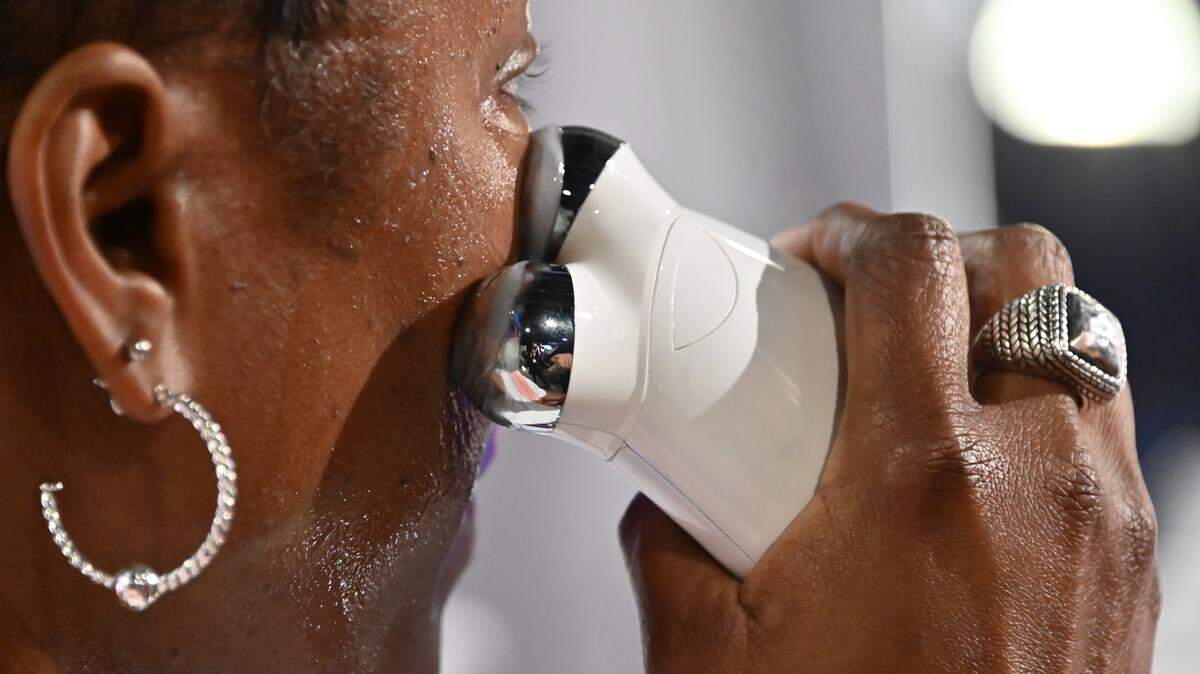
If you’ve been curious about non-invasive alternatives to procedures like Botox or surgical facelifts, microcurrent devices deserve a closer look. These tools deliver low-level electrical currents designed to stimulate facial muscles and improve circulation, producing a mild lifting and toning effect.
Hannah Kopelman, a dermatologist at Kopelman Aesthetic Surgery, tells CNET, “Yes, at-home microcurrent devices can provide noticeable benefits, though they’re generally less powerful than professional-grade treatments. These devices deliver low-level electrical currents designed to stimulate facial muscles and boost circulation. Over time, this can create a temporary lifting effect and provide mild improvement in skin tone.”
The operative word here is “temporary.” Microcurrent devices won’t replicate the results of a surgical procedure or even a professional-grade treatment. But with regular use, they can produce a subtle, more contoured appearance — think a refreshed look rather than a dramatic transformation. For someone weighing whether to invest in professional treatments, a microcurrent device could serve as a practical bridge, offering visible maintenance between appointments.
Derma Rollers: Fine Lines and Texture Improvement
Derma rollers — the at-home version of microneedling — work by creating tiny micro-injuries on the skin’s surface that trigger the body’s natural collagen production. They are best suited for improving skin texture, softening fine lines and enhancing product absorption, allowing serums and treatments to penetrate more effectively.
The important caveat: safety matters. Derma rollers must be cleaned properly and not overused. When handled carefully and incorporated into a measured routine, they can be a practical tool for addressing surface-level signs of aging without a clinical visit.
Tools Worth Having — But Not for Anti-Aging
Two other categories of at-home tools can earn a spot in your routine, though their benefits are less about aging and more about daily skin health.
- Facial cleansing brushes (gentle versions) offer deeper cleansing and more effective makeup removal than hands alone. The caution: overuse can lead to irritation.
- Ice rollers and cryo tools are best for reducing puffiness, calming inflammation and easing morning swelling by temporarily constricting blood vessels. They also provide relief for stress-related tension, including TMJ discomfort.
Neither will stimulate collagen or firm sagging skin, but they serve legitimate supporting roles in a well-rounded skincare routine.
The Overhyped Tools You Can Skip
Not every device that looks sophisticated on a vanity actually performs. Several popular tools fall short of their marketing claims:
- Jade rollers may temporarily reduce puffiness, but they offer no long-term lifting or contouring benefits. Pleasant to use, but not transformative.
- Gua sha, when used casually at home, delivers only temporary results. Professional lymphatic drainage techniques are helpful, but random scraping inspired by social media tutorials is unlikely to produce meaningful change — and results require correct, consistent technique.
- Pore vacuums claim to remove blackheads but mostly clear surface debris. They can cause broken capillaries and irritation, and dermatologists generally don’t recommend them.
- Vibrating face massagers claim to boost collagen and tighten skin, but they don’t actually change skin structure. They feel relaxing, which is a benefit in itself — just not an anti-aging one.
The Bottom Line
For a Gen X professional weighing practical options, three tools stand out as genuinely worth the investment: LED light therapy masks for collagen stimulation and inflammation reduction, microcurrent devices for subtle non-invasive lifting and derma rollers for texture and fine-line improvement. All three require consistency to deliver results, and none will replace professional treatments entirely — but each can meaningfully extend and enhance the results of your broader skincare strategy.
The rest? Enjoy them if they feel good. Just don’t expect them to turn back the clock.
This article was created by content specialists using various tools, including AI.