Why Do Blood Sugar Spikes After Meals Matter More for Your Health Than Calories?
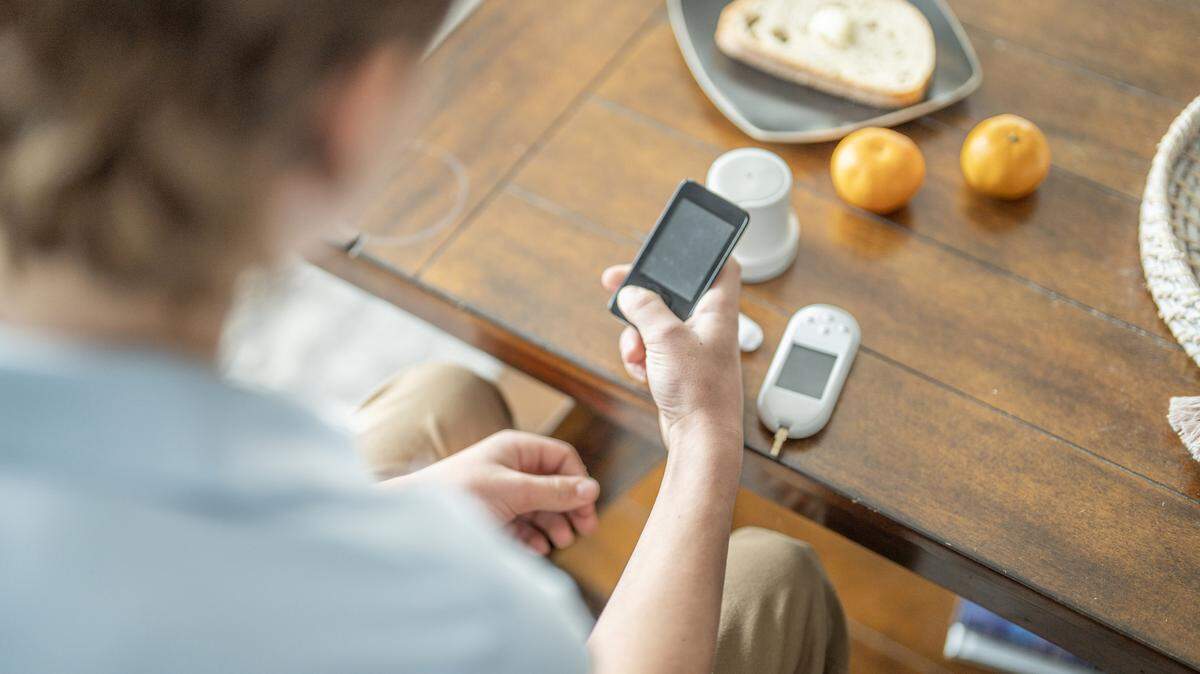
For decades, calories have dominated the way most people think about food and health. But a growing body of research suggests something else deserves your attention: what happens to your blood sugar after you eat.
A glucose spike is a rapid rise in blood sugar after a meal, typically peaking about 75 minutes after eating. These spikes are normal and expected. But when large spikes happen repeatedly over time, the damage can add up, and it may matter far more than the number on a calorie label.
Why Glucose Spikes Are Getting So Much Attention Right Now
This conversation is no longer limited to people with diabetes. The U.S. CGM market hit $7.43 billion in 2026, growing at over 18% annually, with non-diabetic wellness use as a major growth driver. The FDA cleared the first over-the-counter continuous glucose monitor in 2025, meaning anyone can now track how their body responds to food in real time.
The science is keeping pace with the trend. A 2026 PMC scoping review confirmed that glucose spikes can cause endothelial dysfunction, oxidative stress and inflammation even in people without diabetes.
What Repeated Spikes Actually Do to Your Body
Here’s what makes glucose variability different from simply checking an average blood sugar number: repeated spikes drive oxidative stress, vascular inflammation and early-stage atherosclerosis regardless of what your average glucose looks like.
Two people could have the same average blood sugar, but the one experiencing bigger and more frequent spikes could face meaningfully greater cardiovascular risk.
Why Calories Alone Miss the Picture
Two meals with identical calorie counts can produce very different insulin and glucose responses. The difference comes down to macronutrient composition, fiber content and meal order.
A 400-calorie plate of grilled chicken and vegetables won’t affect your blood sugar the same way as 400 calories of white bread and juice. This is why calorie counting alone can be a limited tool for understanding metabolic health.
Simple Ways to Reduce Your Post-Meal Spikes
The research points to several practical strategies that don’t require a complete diet overhaul. Eating vegetables or protein before carbohydrates changes how quickly sugar enters your bloodstream. A short walk after a meal helps your body process glucose more efficiently. Pairing carbs with healthy fat or fiber blunts the spike by slowing digestion. And cutting back on liquid sugars like juice and soda eliminates some of the sharpest spikes, since they deliver glucose without fiber to slow absorption.
An Important Reality Check
Before you rush to buy a CGM or overhaul your eating habits, it’s worth noting that glucose variability in healthy people is still a developing area of science. A single spike after birthday cake isn’t a health crisis. Isolated spikes aren’t harmful; chronic, repeated spikes over time are the real concern.
The takeaway isn’t to fear every carbohydrate. It’s that paying attention to how your body responds to food, not just how many calories you consume, could offer a much more complete picture of your metabolic health.
This article was created by content specialists using various tools, including AI.
This story was originally published April 7, 2026 at 1:47 PM.