
Gutter Cleaning Done Right: A Safer, Smarter Guide for Homeowners
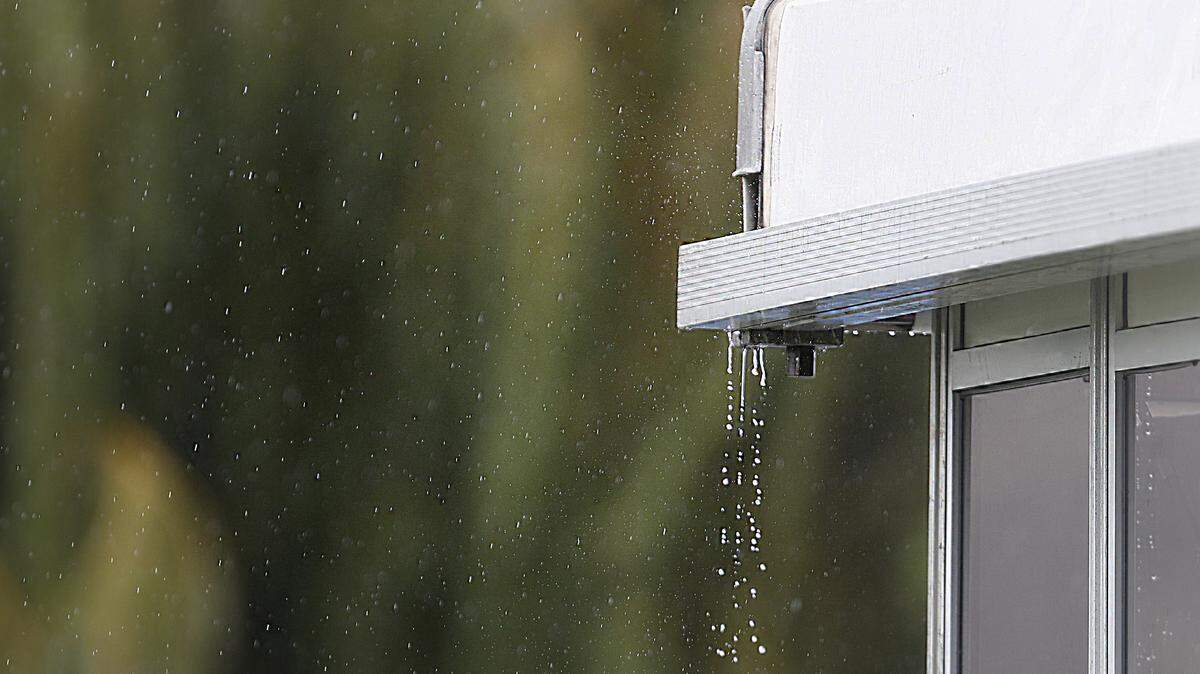
Gutters are often overlooked — until they cause expensive problems. If you have maintained your home for decades, you already know this. You understand that clogged gutters lead to water damage, roof issues and foundation problems. But knowing gutters need attention and safely getting up there to clean them are two very different things.
This guide will show you exactly how gutters should be cleaned and maintained safely and effectively — whether you decide to do the work yourself or hire someone to handle it for you.
Why Gutter Cleaning Still Matters
Even a well-built home with quality gutters can develop serious issues when debris builds up. Routine gutter cleaning prevents water damage to your roof and siding, protects your foundation from pooling water, avoids mold, mildew and rot, and keeps pests like insects and rodents from nesting in the debris.
These are not minor inconveniences. Foundation damage alone can become one of the costliest repairs a homeowner ever faces. Staying on top of gutter maintenance is one of the most practical things you can do to protect your investment.
How Often Should Gutters Be Cleaned?
The standard recommendation is at least twice a year — once in the spring and once in the fall. If your home is surrounded by trees, more frequent cleaning may be necessary.
There are clear signs your gutters need attention: overflowing water during rainstorms, sagging gutters pulling away from the roofline, plants growing inside the gutter channel and stains appearing on your siding. If you notice any of these from the ground, it is time to act — but not necessarily time to grab a ladder yourself.
What Proper Gutter Cleaning Looks Like
Whether you plan to do the work or want to know what a hired professional should be doing, understanding the proper process helps you make informed decisions and evaluate whether the job was done right.
Step one is removing debris. According to DiGiorgi: “Removing leaves, twigs, and other debris is essential for properly functioning gutters. Use a gutter scoop or a trowel to carefully remove any buildup, and always wear gloves to protect your hands during the process. Proper debris disposal helps maintain cleanliness and prevents blockages that can lead to water damage. Be sure to keep your gutters clean to prevent water from backing up onto your roof.”
Step two is flushing the gutters with water. Jacquelyn McGilvray with HGTV says: “Flush Gutter With Water Find the start of the gutter run. It will be on the opposite side of the downspout. Use the jet setting on the spray nozzle of your garden hose to wash away the remaining debris. Make sure the downspout has water running out of the bottom and isn’t clogged.”
Step three is checking the downspouts. Home Depot says, “After the gutters are clean and the water used for flushing isn’t draining quickly, check the downspout for clogs and any lodged debris. Turn the hose on and spray down the spout. If the amount of water coming out is less than what is going in, there is a blockage.”
Knowing these three steps means you can check behind a service provider’s work — or have a clear conversation with them about what you expect before the job begins.
Safety First: The Most Important Section in This Guide
If you are considering doing the work yourself, this section deserves your full attention.
Ladder placement and stability are critical. A ladder on uneven ground, soft soil or a sloped driveway can shift without warning. Every year, homeowners are injured in falls that could have been prevented with proper ladder setup. Make sure any ladder sits on firm, level ground, and never lean it against the gutter itself.
Avoid working alone if possible. Having someone nearby — even just to steady the ladder or call for help if something goes wrong — is a simple precaution that makes a real difference.
Wear protective gear. Gloves protect your hands from sharp debris and hidden edges inside the gutter channel. Eye protection keeps falling particles out of your eyes, especially when flushing with a hose.
Be cautious of power lines and slippery surfaces. Wet leaves on a roof or a dewy morning can turn a routine job into a dangerous one. Power lines near the roofline add another layer of risk that should never be underestimated.
There is no shame in deciding that the risks outweigh the savings. In fact, recognizing when a job calls for professional help is one of the smartest decisions a homeowner can make.
Prevent Future Clogs — and Reduce the Need to Climb
This is where long-term planning pays off. Several strategies can reduce how often anyone needs to get up on a ladder at your home.
Install gutter guards or screens. These systems cover your gutters and allow water to flow through while blocking leaves and larger debris. They do not eliminate the need for maintenance entirely, but they can significantly reduce the frequency of hands-on cleaning. For homeowners who want to minimize ongoing gutter work, guards represent a practical investment.
Trim overhanging branches. Cutting back tree limbs that hang over your roofline reduces the amount of debris that falls into gutters in the first place. A tree service can handle this safely.
Set a regular maintenance schedule. Even with guards and trimmed trees, a twice-yearly inspection keeps small issues from becoming costly repairs.
Consider professional cleaning services. Hiring a reputable gutter cleaning service means the work gets done without putting yourself at risk. Knowing what proper cleaning looks like — debris removal, flushing and downspout checks — means you can hold any service provider accountable for thorough work.
Your home has served you well. Keeping its gutters in good shape is part of protecting it for years to come — and protecting yourself in the process.
This article was created by content specialists using various tools, including AI.
This story was originally published March 31, 2026 at 3:22 PM.