Dye-Free Candy and Smarter Easter Baskets: What Parents Should Know
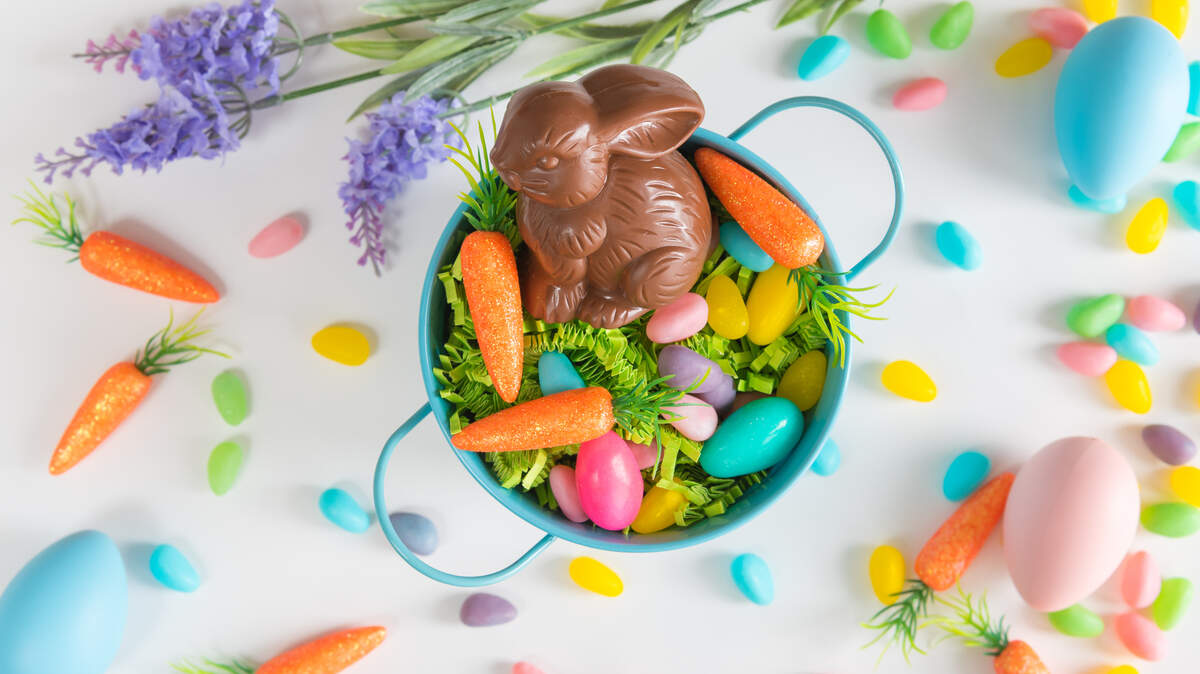
Easter is the second-biggest candy holiday in the country, and the way parents are shopping for baskets is shifting. The treats are not disappearing — they are just getting a more intentional edit.
U.S. confectionery sales hit a record $55 billion in 2025, with the four major candy holidays accounting for 63% of that total. The appetite is there. But 62% of consumers now believe better-for-you confectionery exists, up from prior years, and more than 8 in 10 say occasional candy is permissible as part of a balanced lifestyle, per NCA’s 2026 State of Treating report. The conversation has moved from “should my kids eat candy” to “which candy and how much.”
The Dye Question
“Dye-free Easter candy” is a rising Google search, driven by parental concern about artificial colors like Red 40 and Blue 1. Regulatory agencies have not classified these as carcinogenic, but the concern is real enough to change what ends up in the cart.
Several brands have built their entire Easter lines around this. YumEarth makes organic lollipops, gummy bears and fruit snacks with no artificial dyes. Surf Sweets offers gummy worms and bears without synthetic colors. Free2b produces chocolate sun cups free from top allergens, and No Whey Foods covers chocolate truffles and candy bars that are dairy-free, nut-free and vegan. These are not hard-to-find specialty items anymore — most are available through mainstream retail and Amazon.
On the chocolate side, vegan oat-milk and plant-milk chocolate bunnies and eggs are gaining real shelf space this season. Organic and Fair Trade options from Alter Eco, Divine, Equal Exchange and Theo add sourcing transparency for families who want it.
Beyond the Candy Itself
The bigger shift may be what parents are putting in those plastic eggs instead. Google Trends shows “non-candy items for Easter eggs” at 11,400% breakout growth. Stickers, small toys, temporary tattoos and sidewalk chalk are filling slots that used to hold jelly beans — especially useful for toddlers, families managing allergy policies or anyone who does not want sugar before 8 a.m.
When candy does make the cut, individual portions matter. Pre-portioning baskets from the start, setting a one-treat-per-day rule after Easter morning and donating or freezing the excess are the strategies parents are actually using. Individually wrapped minis remain the most practical format here — they feel less diet-coded than a sugar-free label and give kids a natural stopping point.
For families making treats at home, Rice Krispie treat variants are the top homemade Easter format in search data right now and are easy to customize with cleaner ingredients.
Allergen-friendly options have moved well past afterthought status. Free2b and No Whey Foods both make treats suitable for classroom egg hunts without running into allergy policies. Non-chocolate candy is the fastest-growing confectionery segment overall, up 4.9% year over year, which means more novelty formats and alternative options are hitting shelves every season.
One honest caveat: better-for-you labeling does not automatically mean a meaningfully healthier outcome. Taste and price are real barriers, and a $7 allergen-free bunny no one wants to eat does not serve anyone. The approach most parents are taking is a mix — a few cleaner picks alongside the traditional favorites — rather than a full overhaul.
Easter 2026 falls on April 5. There is still time to build a basket that works for your family without starting from scratch. A dye-free gummy, a plant-milk chocolate bunny, a few non-candy egg fillers and your kid’s actual favorite candy is a reasonable place to land.
This article was created by content specialists using various tools, including AI.