
‘Hemingway’ delivers a complex view of the writer’s life. His time in KC? Not so much
Three and a half decades ago, the earth moved beneath the foundation of the Ernest Hemingway industry. The old-school, tired image of the great American writer as a brawling, blustery simpleton took a self-inflicted punch in the gut.
Hemingway — master of the fishing rod, the shotgun, the declarative sentence — had killed himself in 1961. His literary stature was stuck in a long recession, but, as had happened three times earlier, an unfinished manuscript was plucked from his archives, tailored into a certain commercially agreeable shape, and, in 1986, landed before the reading public, this time with startling revelations.
That book, a novel carved out of some 1,700 manuscript pages and titled “The Garden of Eden,” presented a Hemingway hardly ever seen before. His story, with a writer at its center, included themes of inventive sexuality and gender play under the languid sun of southern France.
Its arrival helped to launch a new generation of Hemingway readers and literary scholars, some approaching him for the first time, and a vast reappraisal of the influential and often misunderstood writer and the mixed bag of work he left behind.
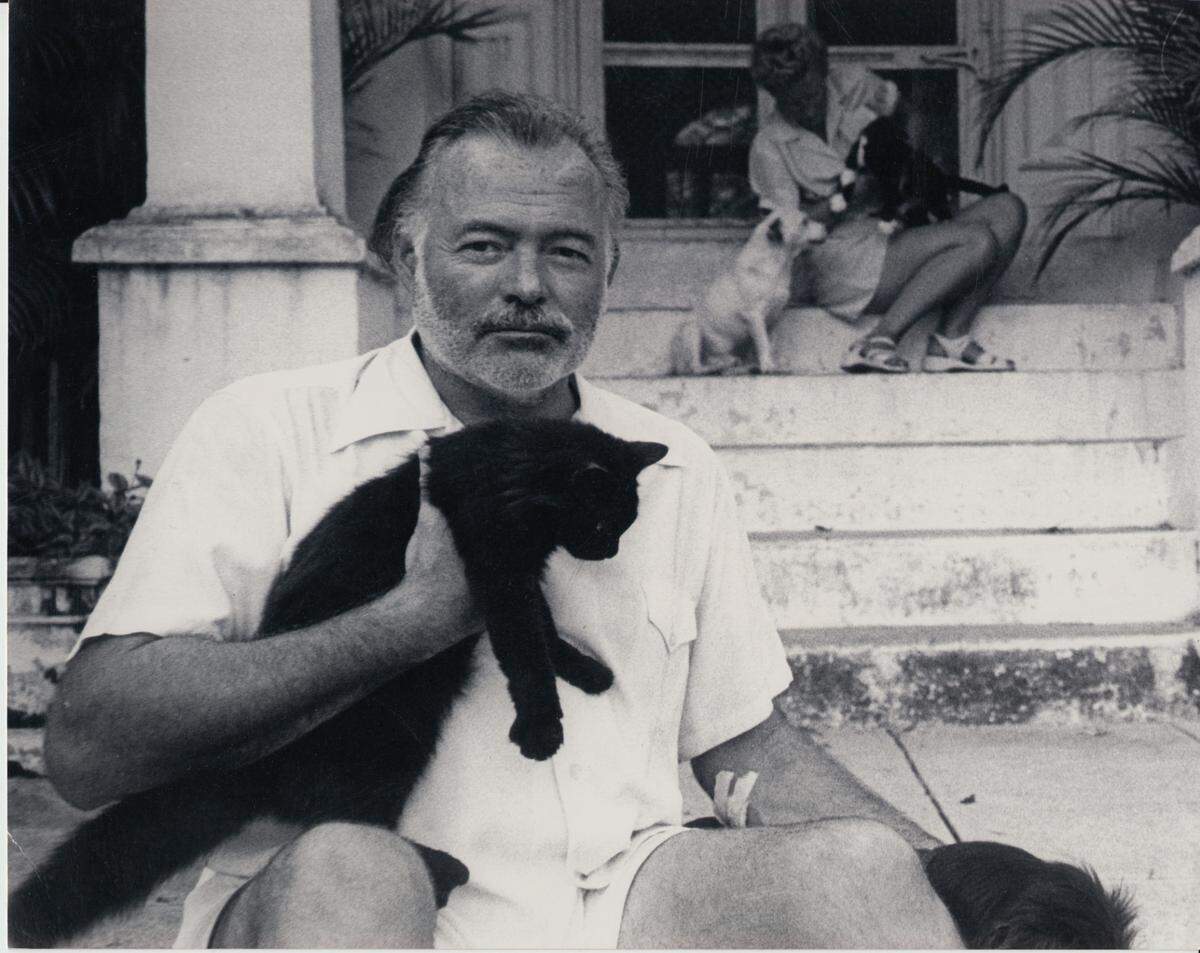
From my perspective in the midst and margins of the Hemingway world, the reassessment and abundant attention continues unabated today.
As his earliest books begin to pass into the public domain (essentially 95 years after their original publication in the 1920s), as contemporary novelists refashion the life stories of his four wives, as new movies embrace his legend and works, and as scholars continue to peel back and interpret the many layers of experience and meaning in his life and work, Hemingway seems very much alive, even in this time of cultural fragmentation and resistance to, say, the dominance of a traditional literary canon.
So the captivating new PBS documentary series, “Hemingway,” by co-directors Ken Burns and Lynn Novick, comes at an opportune time. It can’t help but reinforce the notion that the writer was a far more multifaceted character than most people had long realized and still, despite his flaws and contradictions, deserves attention.
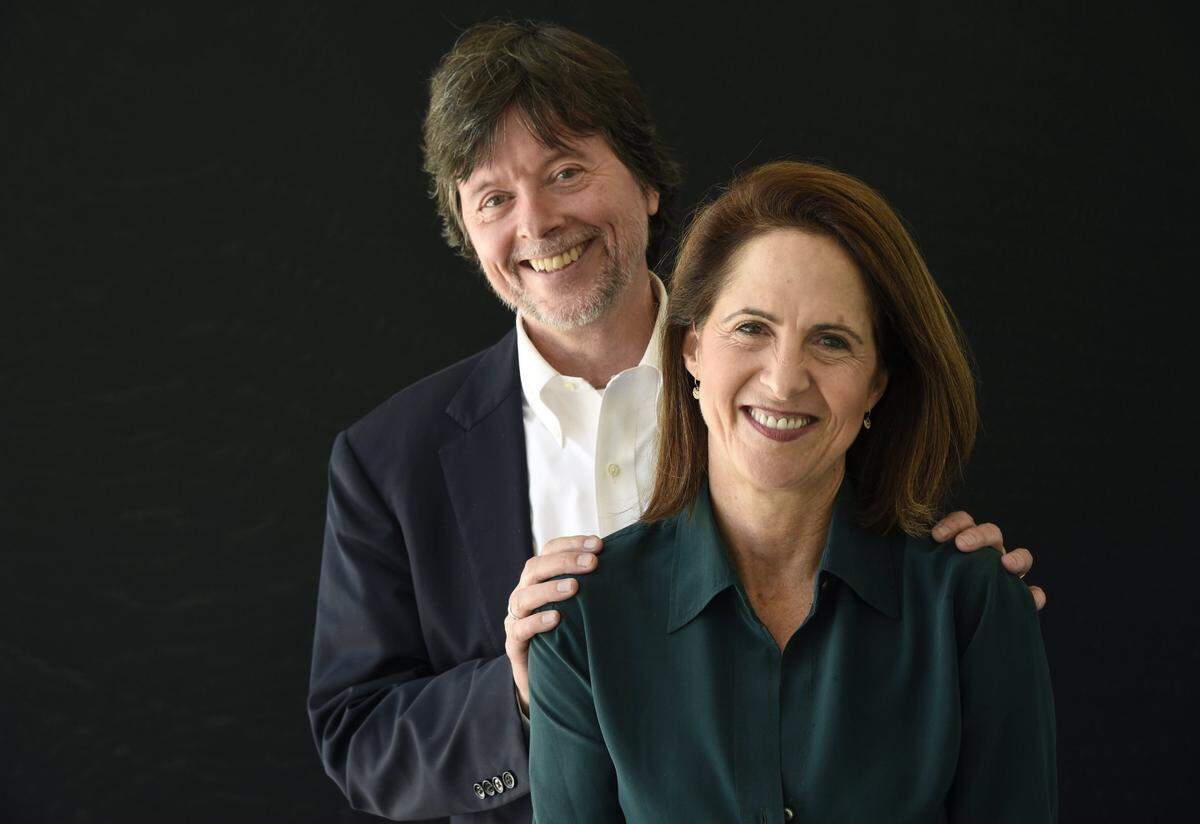
In three parts of nearly two hours each, debuting April 5, the Burns operation gives viewers Hemingway the writer in abundance and Hemingway the man in all of his often pitiable guises. (And a very brief mention of his months in Kansas City.)
As creator of some of the best-known and best-loved American fiction of the 20th century, Hemingway captured the sound and lifeblood of real lives. He was a trendsetter of modernist prose and an exceptionally close observer of human beings and the world. From boyhood glimpses of conflict, sex and nature in the Michigan woods to the scars of war, the battering of the human spirit, the prowl of death — at its best, Hemingway’s work resonated with anxiety, urgency, insight, everything you sometimes didn’t know you’d want in literary experience.
‘Miracles of prose’
The documentary does a real service by foregrounding Hemingway’s greatest hits and by sharing how other literary talents cherish the power of his storytelling and wrestle with his shadow. It doesn’t refrain from recognizing that not everything he touched turned to literary gold.
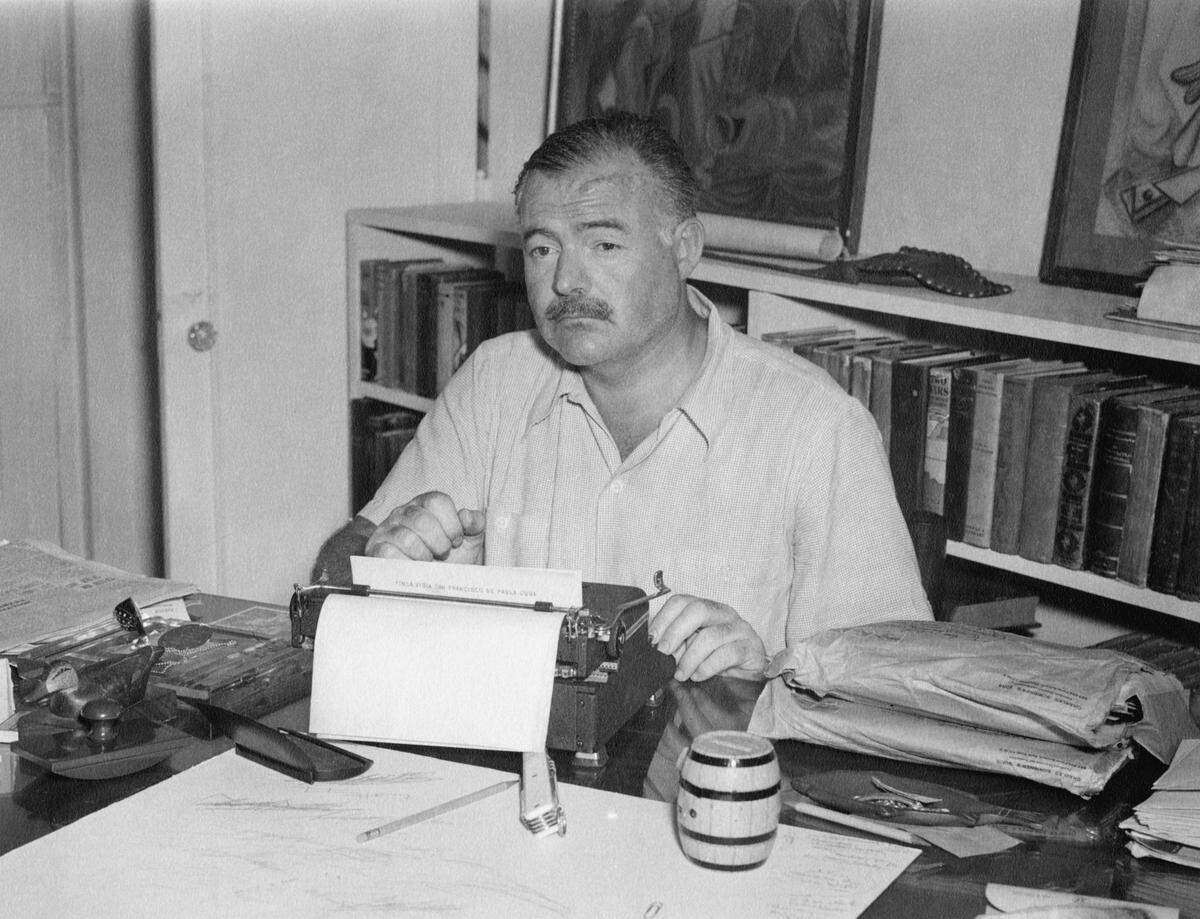
So we have the visual motifs of his clacking Corona typewriter and graphic animations of his handwritten drafts. And we also get the deep and often poignant insights of an impressive lineup of writers. They include Tobias Wolff, Tim O’Brien, Abraham Verghese and Mario Vargas Llosa; biographers Amanda Vaill and Mary Dearborn; and scholars such as Susan Beegel, longtime editor of The Hemingway Review, and Verna Kale, an editor at the ongoing project to publish more than 6,000 of Hemingway’s letters. (Five volumes of Hemingway’s freewheeling correspondence — a biographical goldmine — have appeared so far, and a sixth is scheduled to arrive next year.)
The Irish writer Edna O’Brien, a superstar known for her vivid sensuality, serves as perhaps the literary conscience of the series. Her stirring and genuinely felt observations about the essential currents of Hemingway’s work remind us why he still empowers readers today.
She admires, for one thing, how Hemingway could get inside the consciousness of his female characters. She reads aloud the opening of “A Farewell to Arms” to emphasize its Bach-influenced musicality. And she holds up the short inter-chapter vignettes that run through the early story collection “In Our Time” as “miracles of prose.”
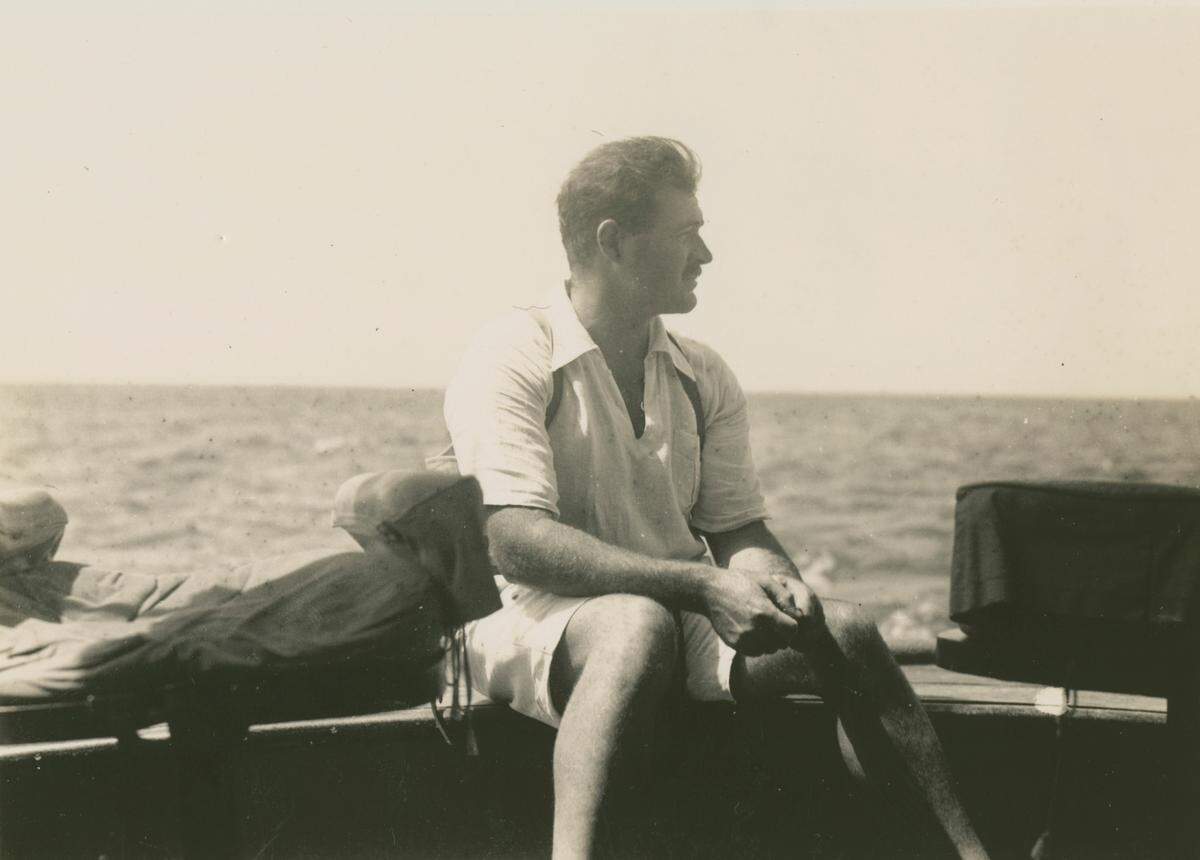
Yet, like everyone, she has her reservations: Those who embrace Hemingway’s Cuban novel, “The Old Man and the Sea,” as their personal favorite and the epitome of his talent might be turned off by O’Brien’s dismissal of the slim book as “schoolboy writing.”
In a publicity session recently (as quoted by The Guardian), Burns spoke, with typical hyper-enthusiasm, about his new appreciation for the “power and glory and majesty” of Hemingway’s writing. “Majesty,” to me, seems like the opposite of what Hemingway projected. But Burns knows how to attract a crowd.
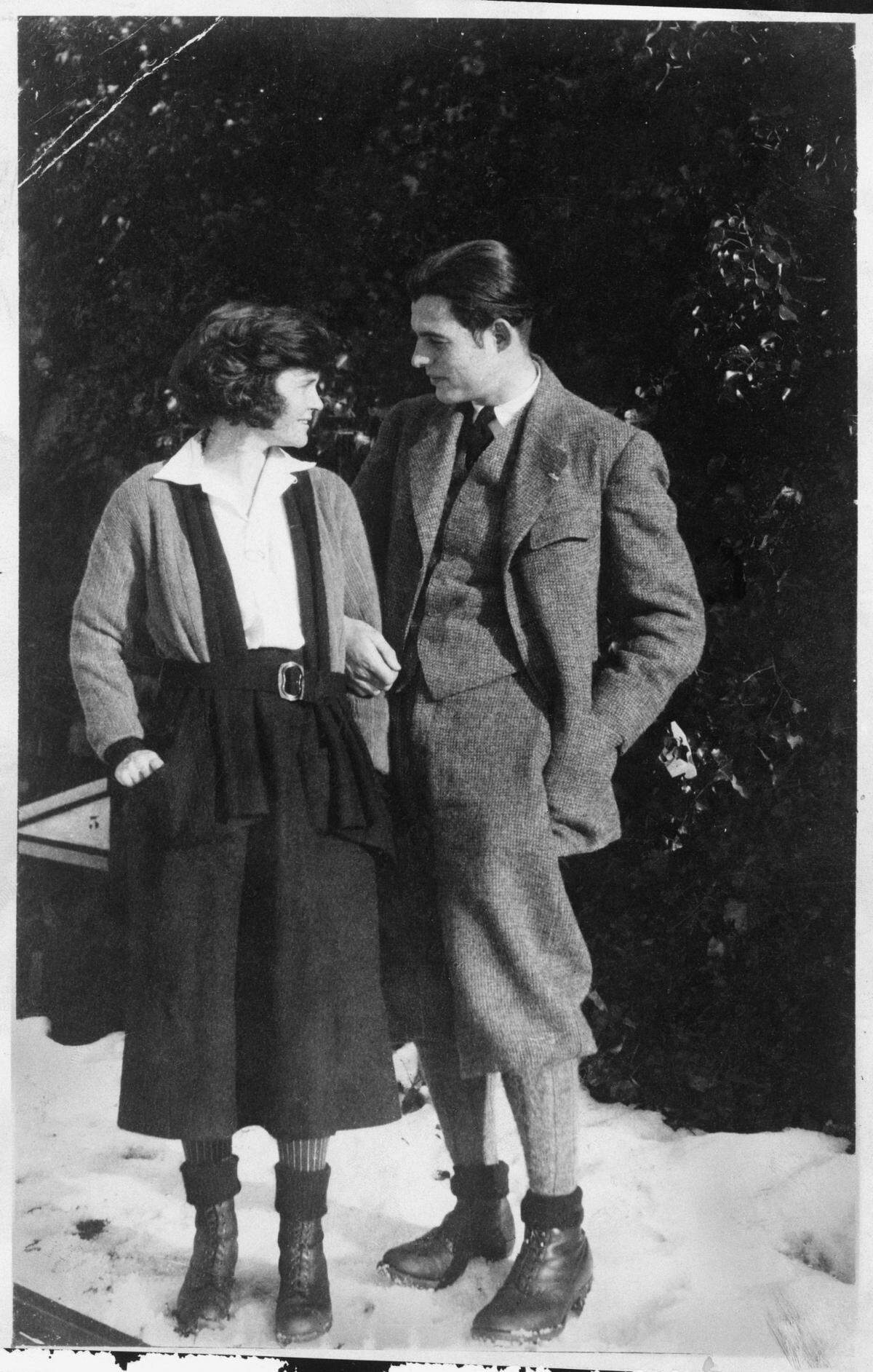
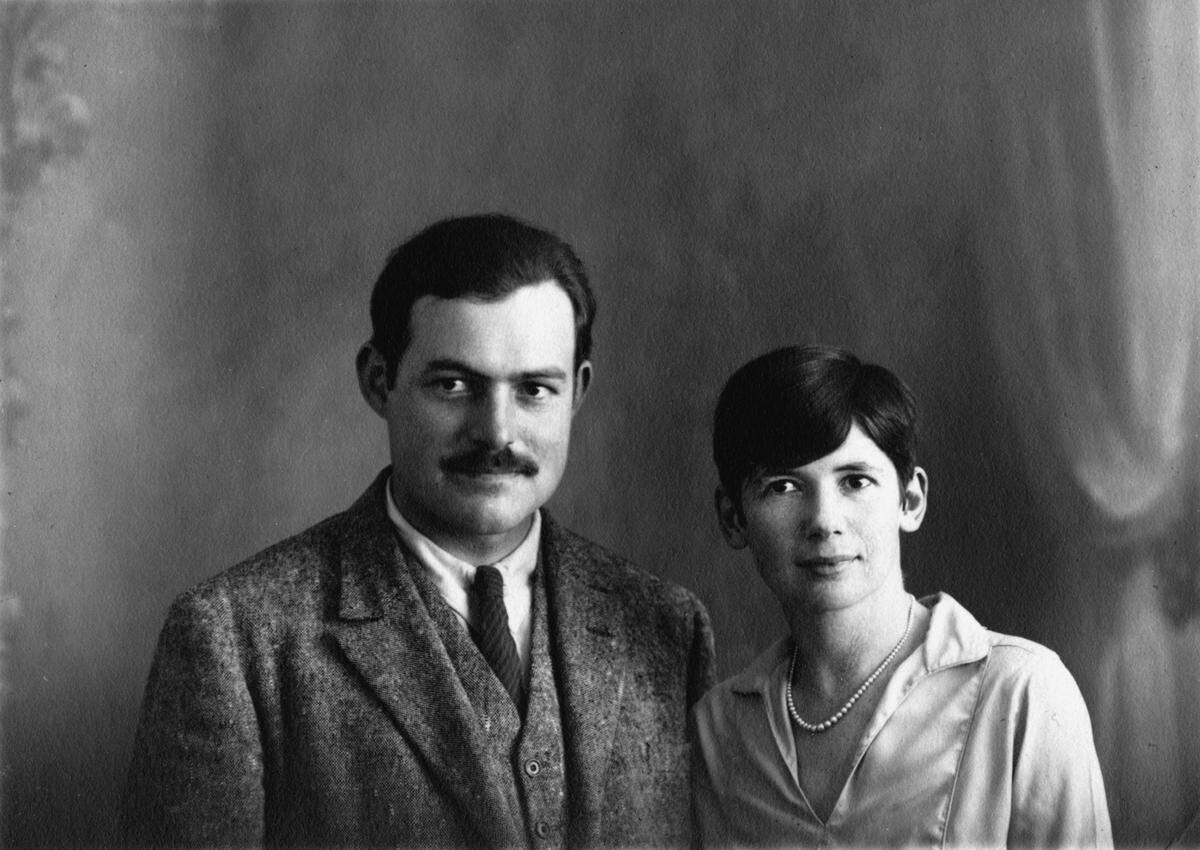
The series luxuriates in long, indelible passages — the actor Jeff Daniels channels Hemingway’s voice — from the novels and short stories such as “Indian Camp,” “Hills Like White Elephants” and “The Snows of Kilimanjaro.”
Among the questions it poses, not always leading to answers, is the intriguing one of whether “For Whom the Bell Tolls,” a work of fiction, presents a “truer” picture of the Spanish Civil War in the late 1930s than the newspaper dispatches Hemingway filed from the front lines. Like much else in the documentary, the Spanish experience is all so complicated — made more so by Hemingway’s blossoming affair with the journalist Martha Gellhorn, by his outsized celebrity status in the thick of it, and by a series of tricky political alliances, secrets and conflicts.
Kansas City’s cameo
If the series were a sonata, a three-part musical composition, its movements could be described as brightness (on the youthful awakening and rise of a literary star), storm (on marital conflicts and the ravages of war), and slow dissipation (on the mental breakdowns and the loss of the one thing, the clear-headed ability to write, that kept Hemingway alive).
Music itself plays an atmospheric role throughout the series, drawing from original works as well as the sounds of Bach, Satie, Manuel de Falla, Duke Ellington and others. A haunting and recurring piece for oud and percussion, “Garden of Eden,” by composer Shanir Blumenkranz, is particularly and effectively mesmerizing.
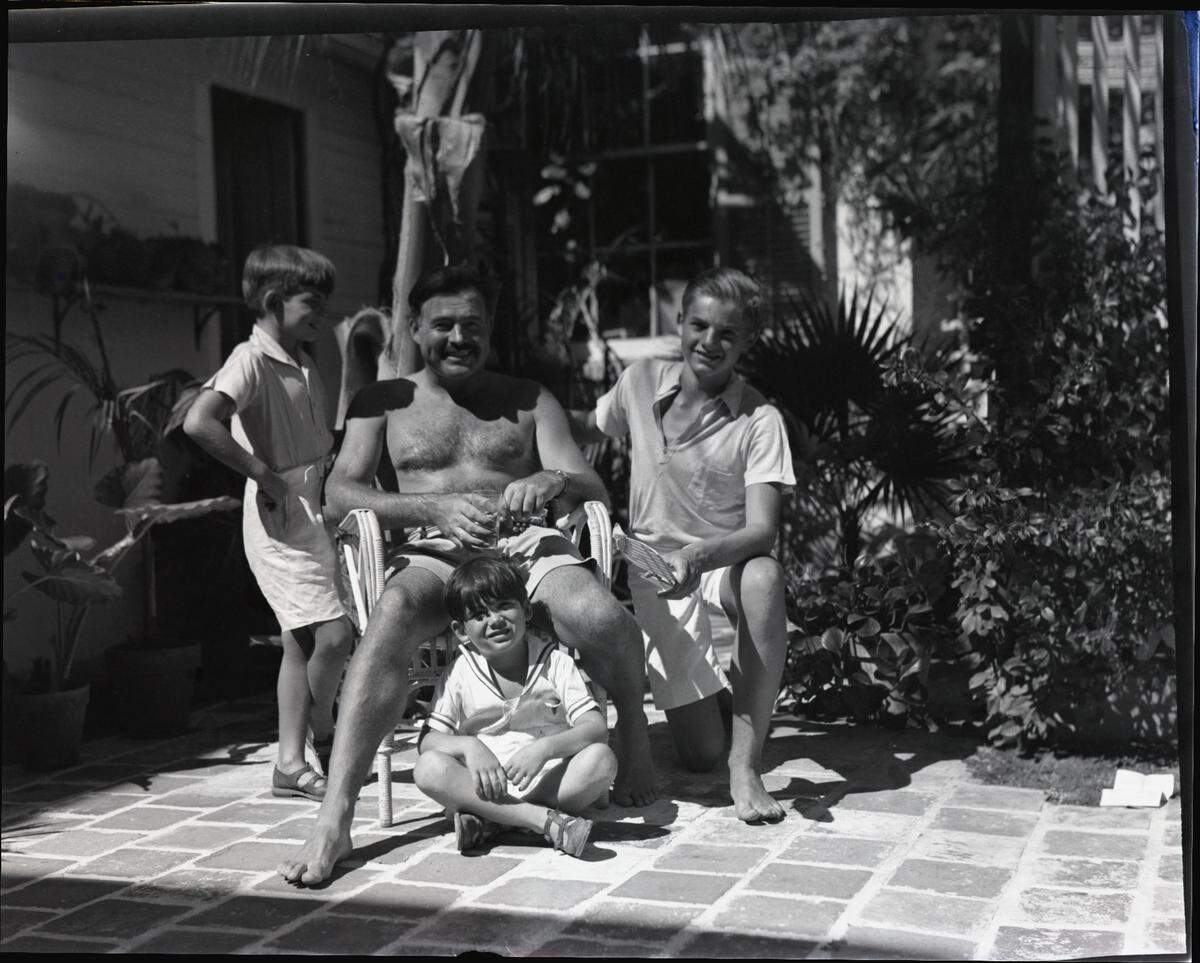
%20on%20the%20Bimini%20docks_July%2020,%201935.jpg "6 Ernest Hemingway and his three sons (L-R_ Patrick, Jack, and Gregory) on the Bimini docks_July 20, 1935.jpg")
As for the story, one none-too-subtle motif traces Hemingway’s thoughts about suicide over many years. It’s the family curse, or one of them.
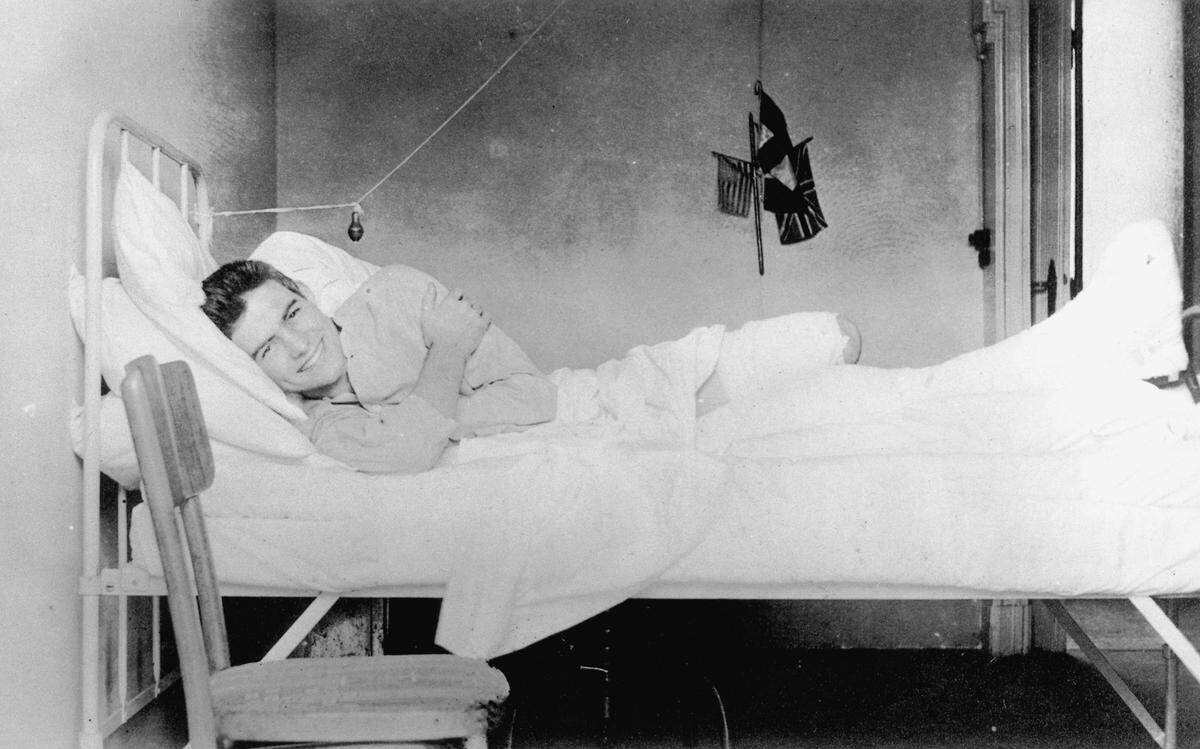
If you have a heart, you’ll be repulsed by the way he treated the people who loved him. But you’ll also come to understand, most likely in new ways, how much alcoholism, depression and a series of brain traumas — beginning with the explosion that wounded him in World War I and culminating in a horrific escape from a plane crash in 1954 — contributed to his disturbing behavior and his premature decline. He’d looked like an old man for years but was only on the verge of 62 when he died.
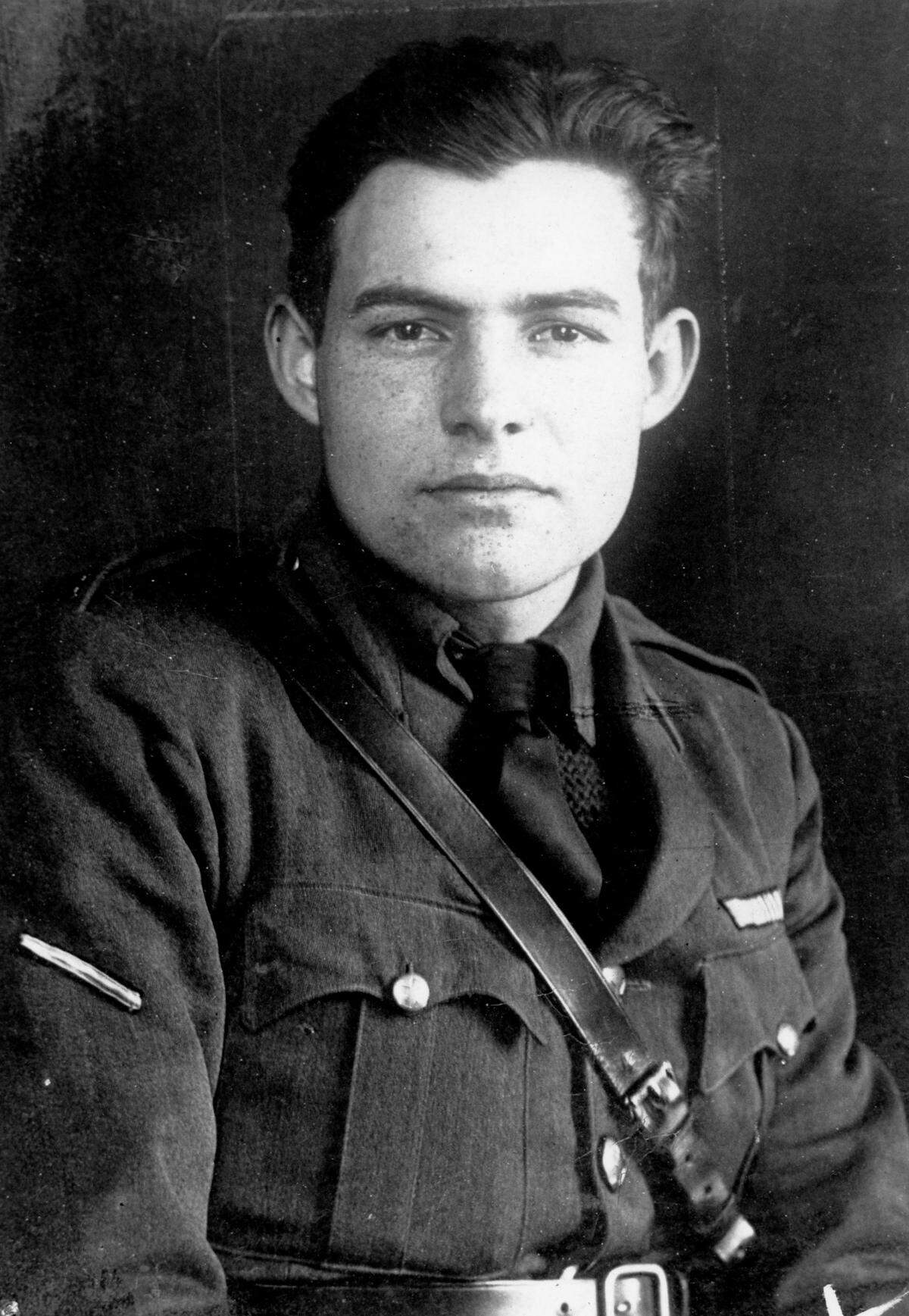
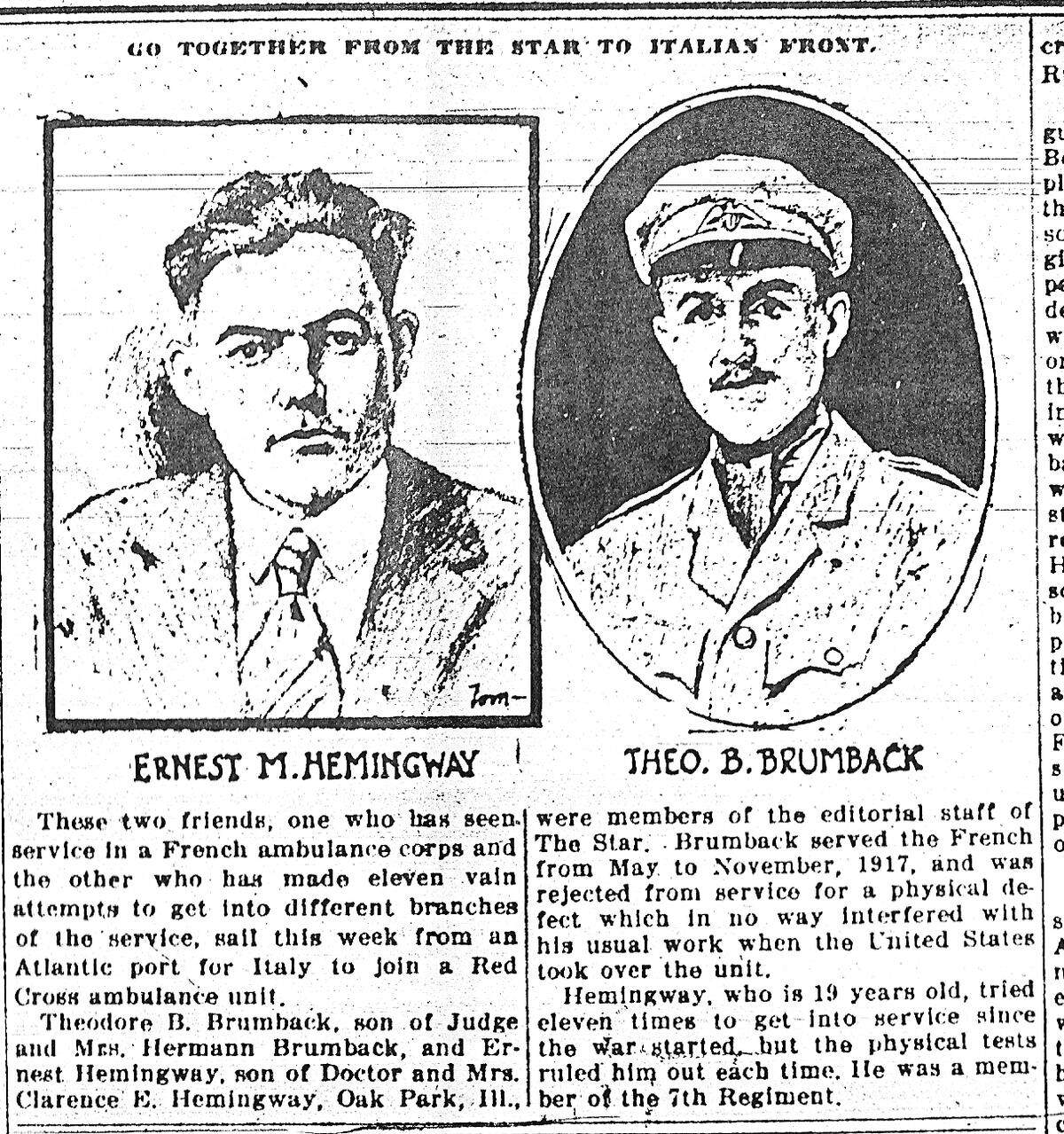
The work of biography is like jigsaw puzzle-solving or mosaic making. You fit the bits to make a whole story arc. Some viewers might notice that the Kansas City bit, the brief but important period of 1917-18 when he apprenticed as a reporter at The Star, didn’t much fit the Burns story line. (Don’t blink, or you’ll miss it in Part I.)
Still, Burns and Novick, along with writing partner Geoffrey Ward — all channeled through the voice of narrator Peter Coyote, a master of portent — generally accomplish what they set out to do. They produce a complex Hemingway, an artist whose work transcends his often unappealing life. As Hemingway scholar Alex Vernon, an adviser to the production, put it to me, “they get the rhythm of the life right.”
Burns and company don’t shy from bringing up Hemingway’s troubling American prejudices — the occasional appearance of the N-word in his prose and letters, for example — but they don’t exactly know what to do with it. (They deal even less with anti-Semitism.)
They might have called on the voice of the late Nobel laureate Toni Morrison, whose landmark writings on Hemingway, race and Africa have been a touchstone for recent generations of students, scholars, critics and readers. There are passing glances at and grimaces over the race issue and colonialism, but, by contrast Ralph Ellison, a Black writer (“Invisible Man”) who cherished his debt to Hemingway, is presented as a witness for the defense. (“When he describes something in print, believe him,” Ellison wrote, “he’s been there.”)
Similarly, overweighting the late Arizona Sen. John McCain’s love for “For Whom the Bell Tolls” and identification with its protagonist Robert Jordan can make one wonder about the filmmakers’ choices. McCain’s extended testimony serves to support Burns’ mission to shape his subjects as iconically American. It would, then, be much too complicated to spend a minute explaining that Cuba’s Fidel Castro loved the book as well. When I asked Burns about that omission in a publicity session via Zoom, he got defensive and lamented all the stuff one necessarily has to leave out.
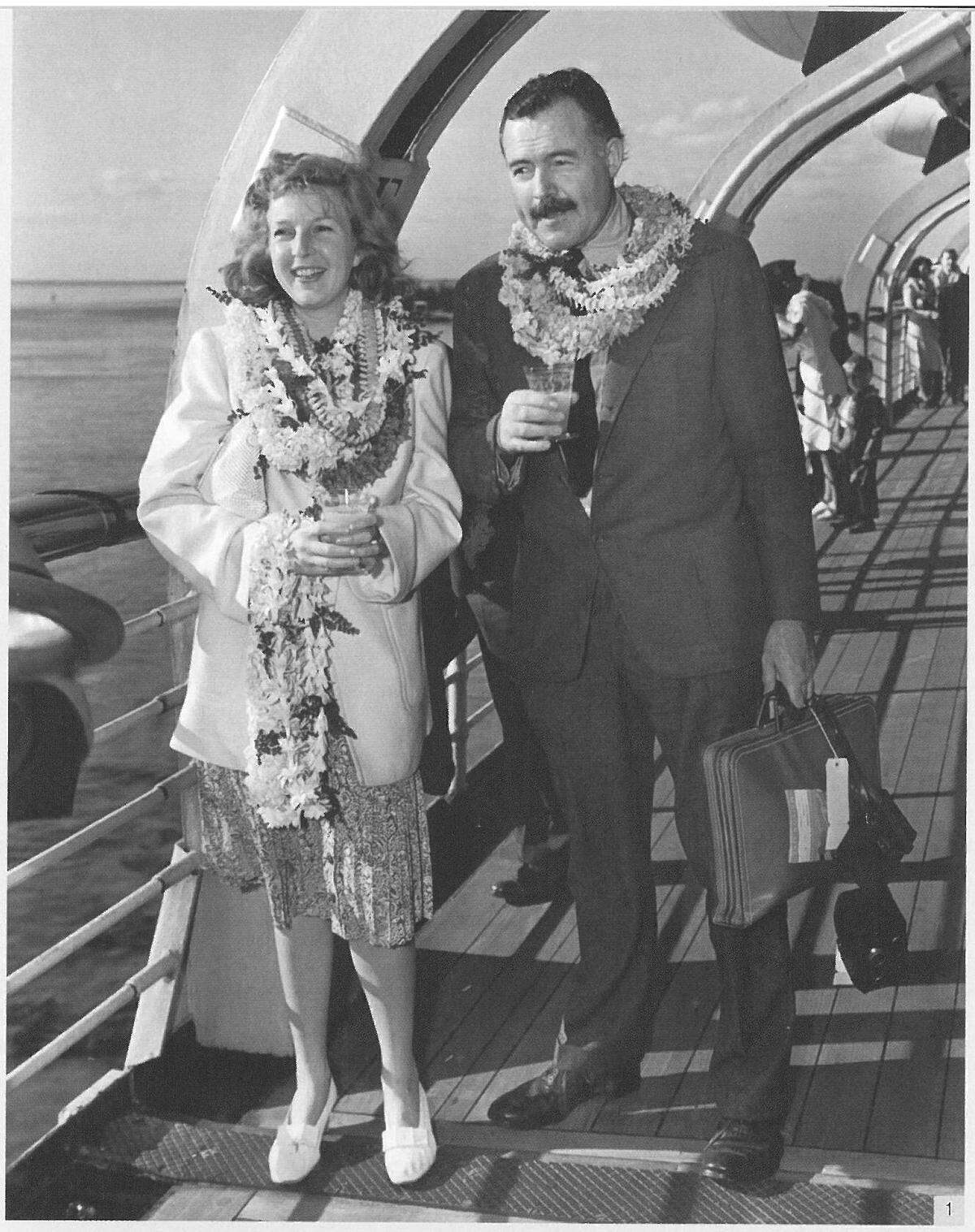
The documentary also seems to idolize Martha Gellhorn, the journalist and spurned wife No. 3. She loved Hemingway’s three sons and they loved her. He treated her as badly as anyone else. Her absence, while on assignment, led him to drink even more; her taunting led him to suit up for D-Day as a reckless correspondent who subsequently and illegally took up arms in the Second World War. The camera lingers over Gellhorn’s blonde-beauty image as their marriage explodes and as Meryl Streep richly voices her disdain.
A tragic figure
A frequent point is Hemingway’s inability to handle the onus of fame, which enveloped him by the time he was barely 30. He became a caricature of manhood. As Tobias Wolff puts it, “Every artist creates an avatar of himself. Eventually your avatar will consume you.”
This “Hemingway” reflects and aggregates many of the discoveries and arguments made by scholars and biographers over the last few decades. As such, it breaks little new ground for those who’ve kept up. Still, even the most jaded of Hemingway aficionados will be surprised by some of the rarely seen photos and films the production team corralled. An NBC television clip of Hemingway being interviewed at home about his Nobel Prize (in 1954, following the head-battering plane crash) is downright eerie and excruciating. The on-screen, personal recollections of Patrick Hemingway, the writer’s last remaining son (born in Kansas City in 1928), are both tender and sad.
Television viewers tend to outnumber readers of literary fiction and biography, as writers have long complained. So for most people, this will serve as a refreshingly new and authoritative account of the Hemingway story.
As with their previous series on the Civil War, jazz, baseball, the Vietnam War, country music and much more, Burns and Novick’s “Hemingway” will undoubtedly provoke argument and invite corrections. It may well enlighten those with only a surface awareness of the legends that have gathered around the Papa figure and largely obscured the writer inside. It may well harden the views of Hemingway’s detractors on any number of art and behavioral issues. But it may also spur some new readers in Hemingway’s direction. It also will help to affirm how and why we connect with lasting literature. As Edna O’Brien puts it, Hemingway achieved “immortality and he deserves it.”
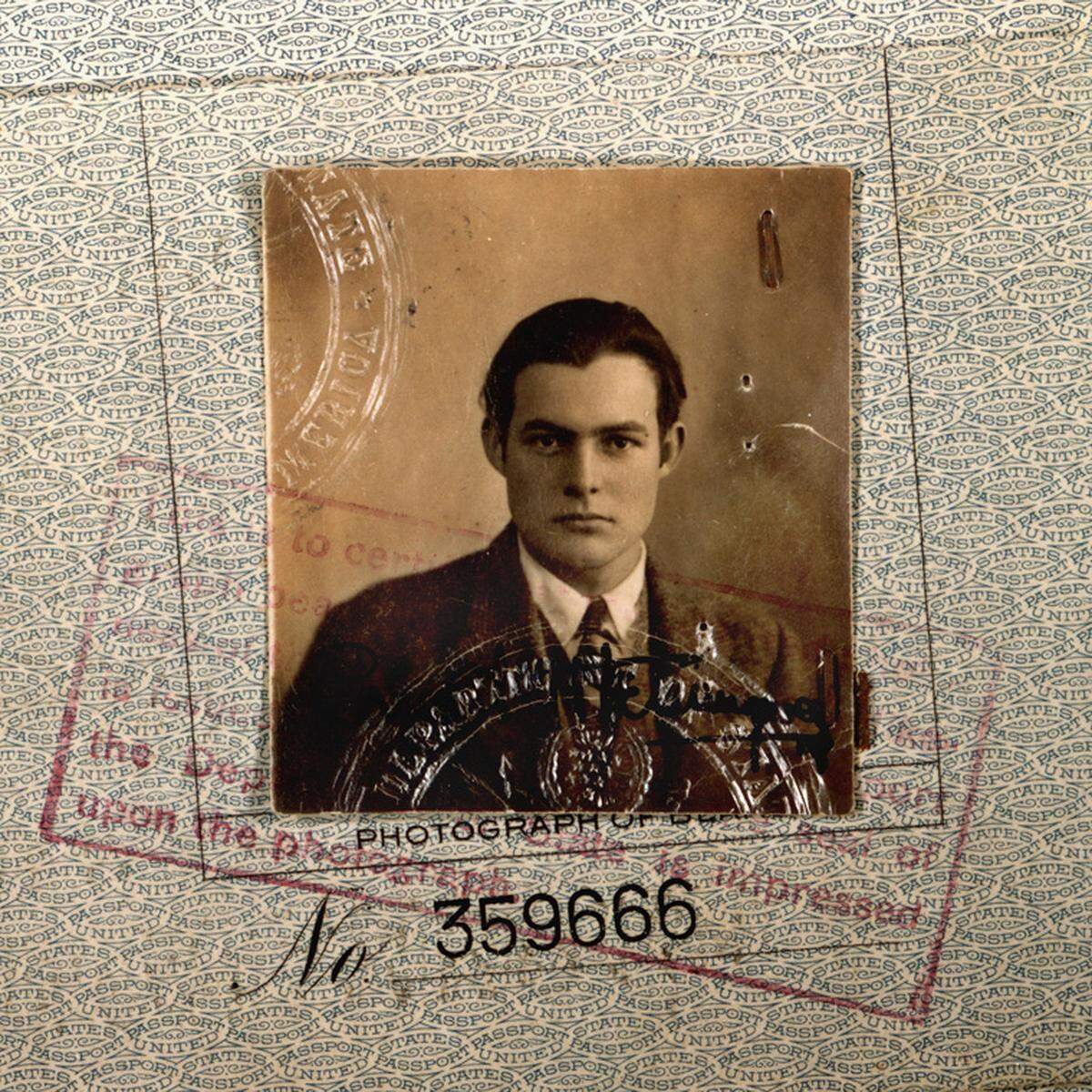
The series’ compelling yet unsettling accomplishment is how it presents that certain immortality enmeshed in the slow unfolding of unmistakable tragedy.
Steve Paul, an editor and writer at The Kansas City Star for more than 40 years before he retired in 2016, is the author of “Hemingway at Eighteen: The Pivotal Year that Launched an American Legend” (2017). His biography of the writer Evan S. Connell will be published by the University of Missouri Press in the fall.
Where to watch ‘Hemingway’
“Hemingway,” a three-part documentary film by Ken Burns and Lynn Novick, airs at 7 p.m. April 5-7 on PBS and pbs.org.
This story was originally published April 4, 2021 at 5:00 AM with the headline "‘Hemingway’ delivers a complex view of the writer’s life. His time in KC? Not so much."