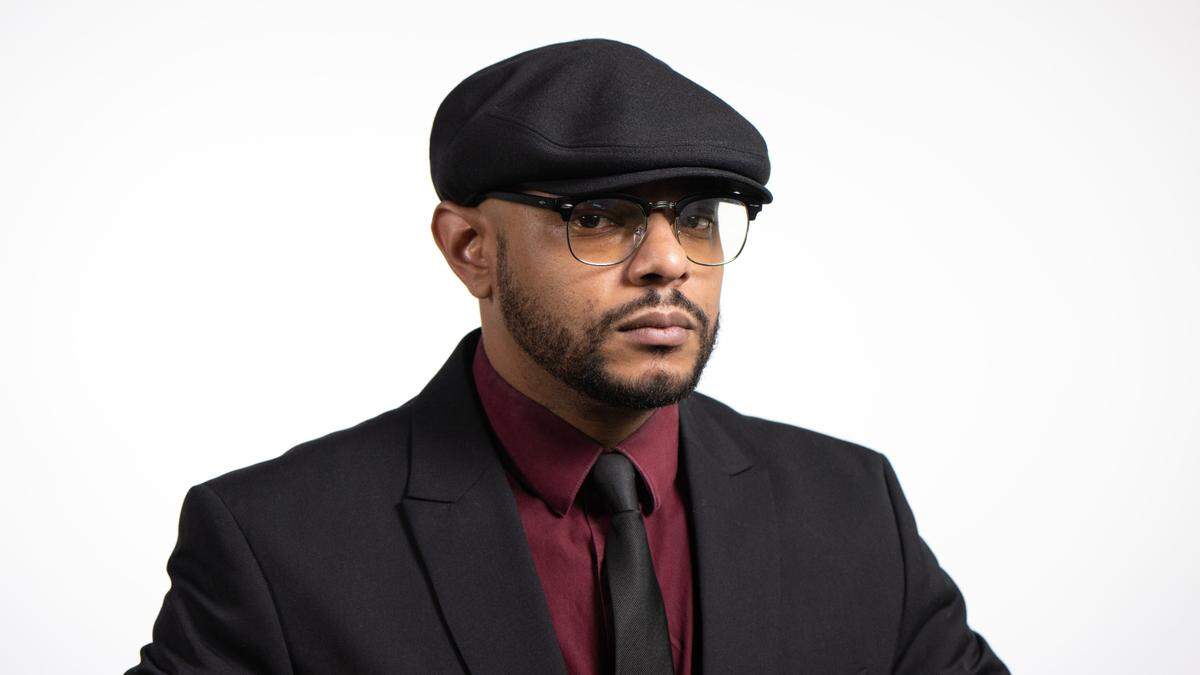
How Black creators are reshaping cosplay culture in Kansas City
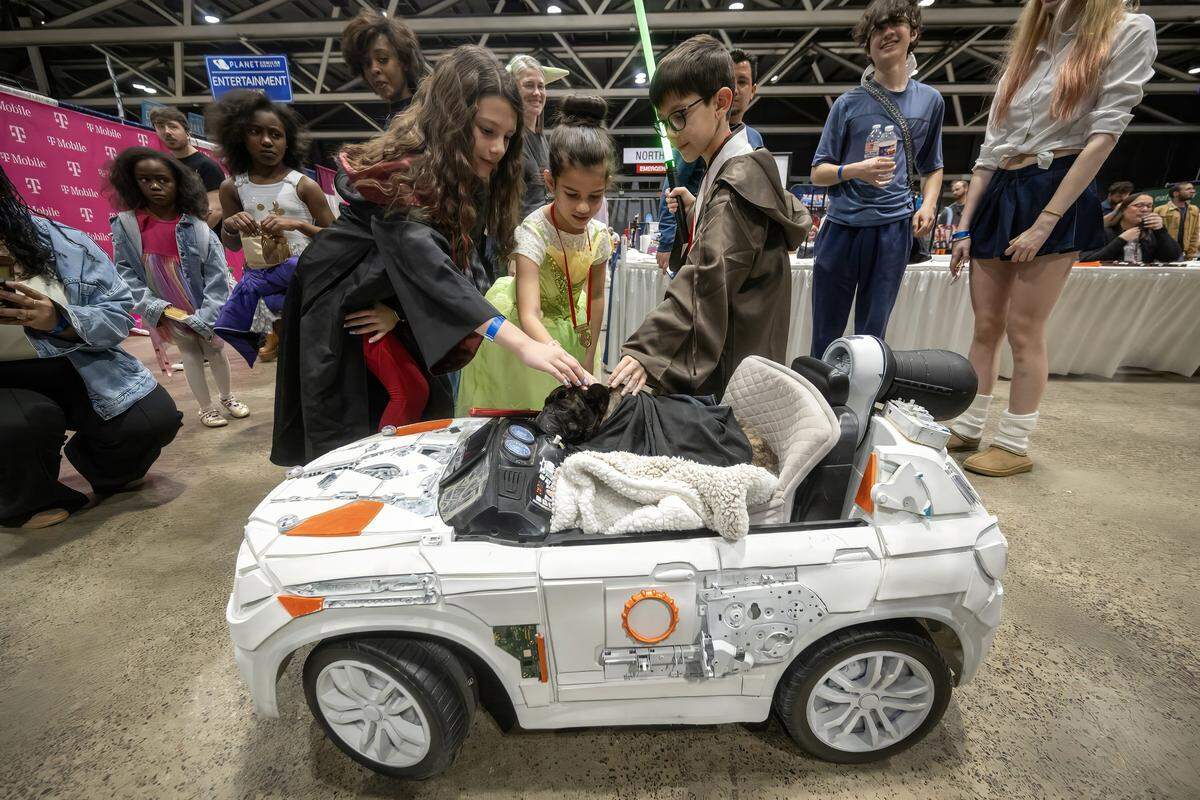
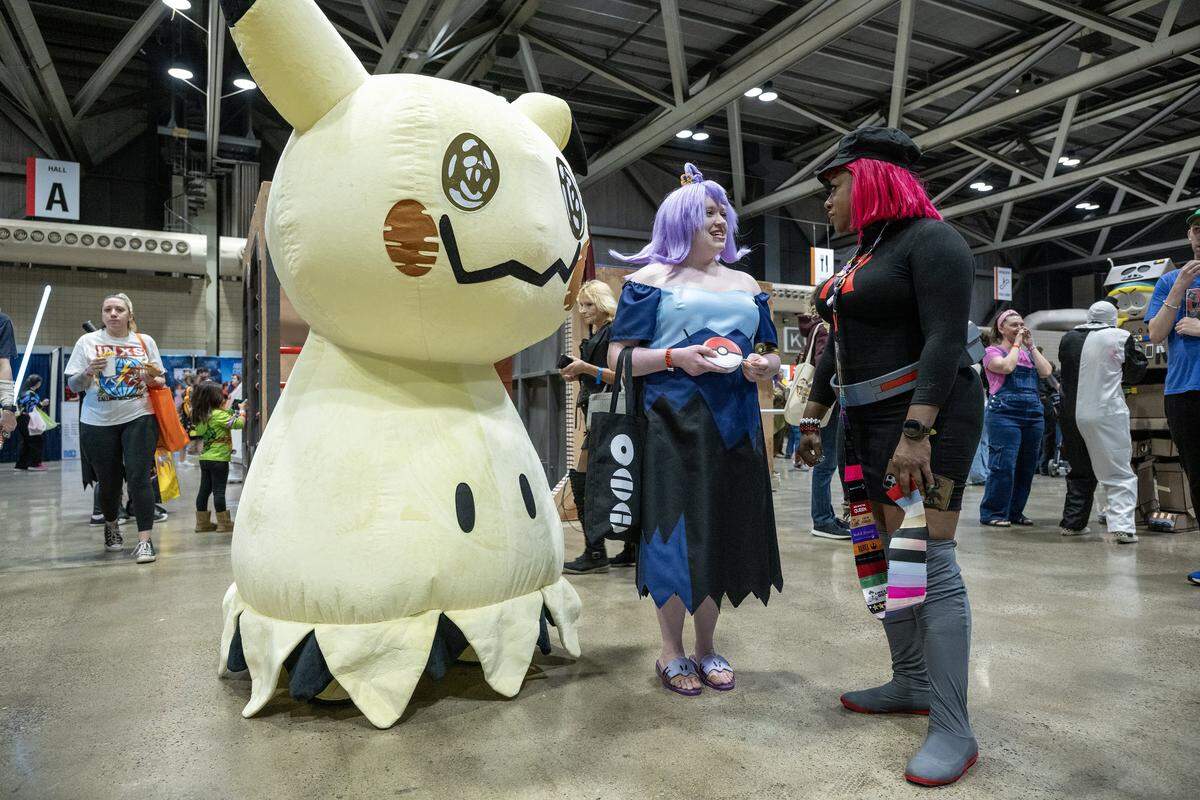
Over the weekend, thousands of fans filled the halls of Planet Comic Con Kansas City, moving between panels, vendor booths and clusters of costumed characters brought to life from screens and pages.
Among them, Black cosplayers made up a smaller share of the crowd, but not a quiet one.
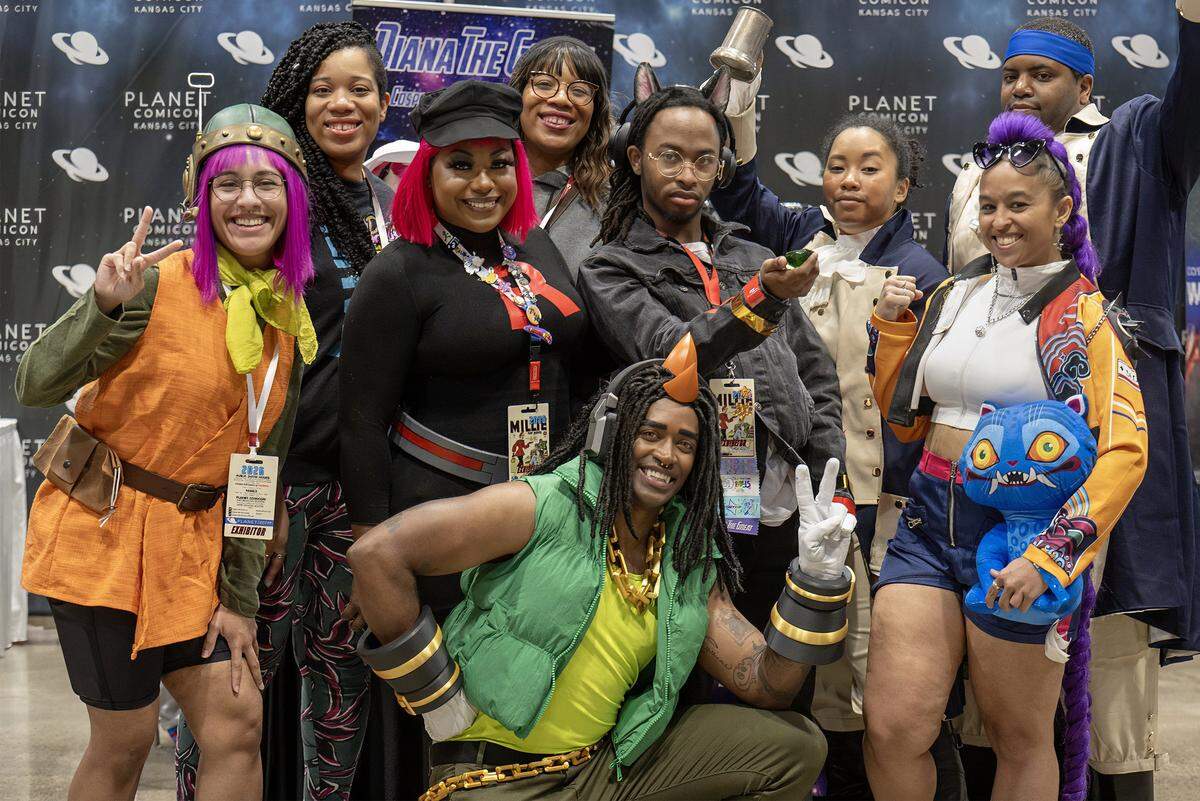
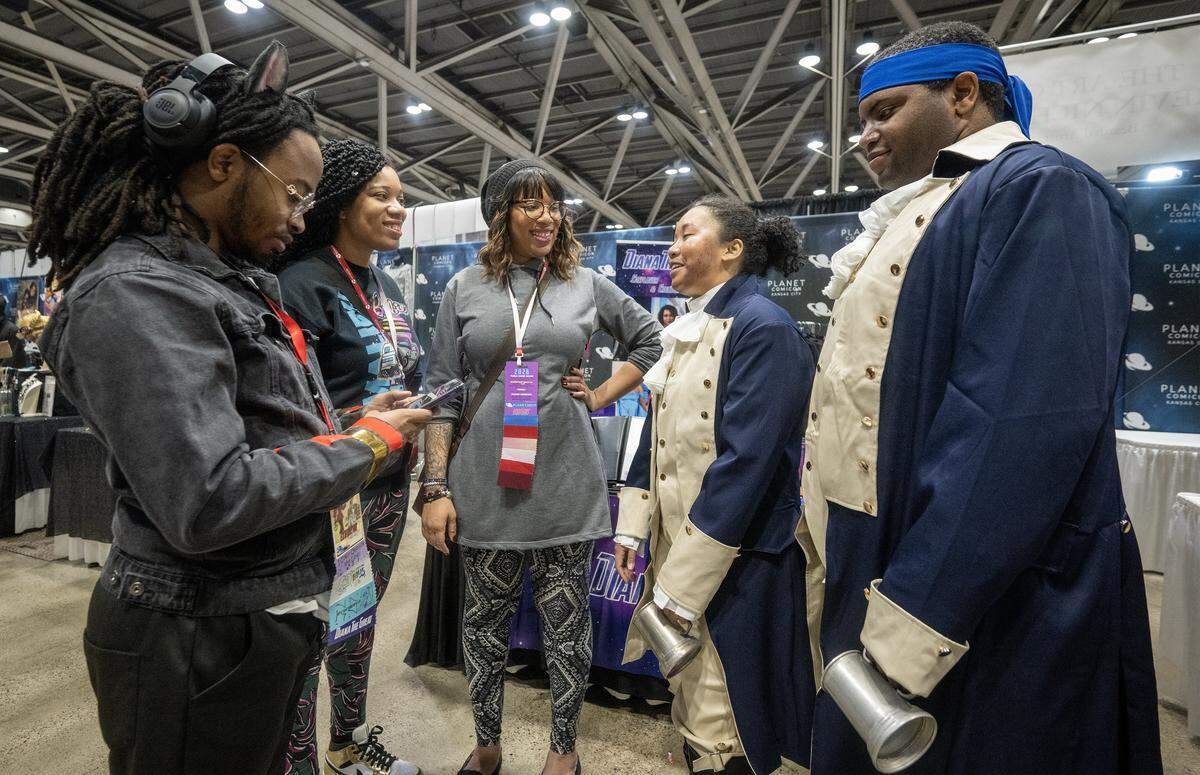
Near the booth of Diana Alexander, known in the cosplay community as “Diana The Great,” the space becomes something different. Cosplayers gather, stopping to greet one another, compare builds and line up for photos with each other.
What begins as a meeting point turns into a moment of recognition, a place where Black cosplay enthusiasts find each other in a convention that can otherwise feel overwhelming.
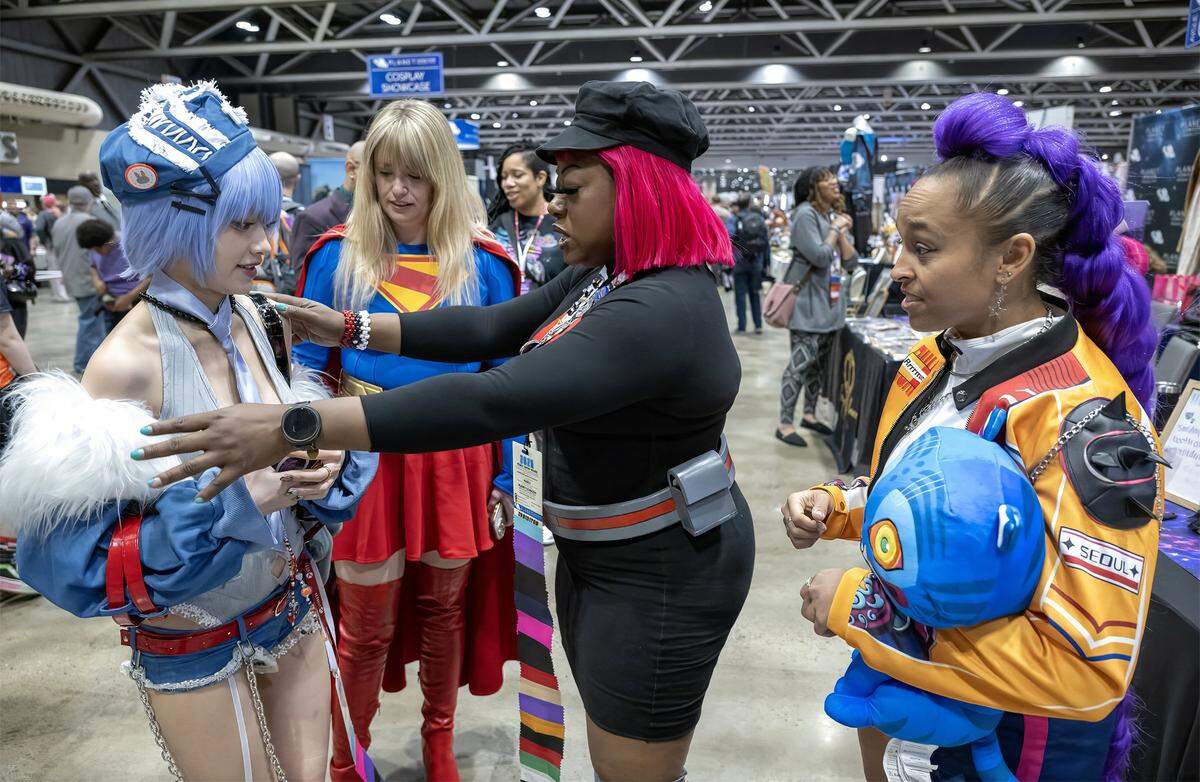
Planet Comicon Kansas City stands as one of the metro’s most well known and attended annual comic conventions, bringing together various fandoms made of people of all backgrounds. But many people who have attended the convention for years remember a time where the community was less welcoming.
Black cosplay has always challenged the culture of comic fandom by creating reinterpretations of character looks while adding their own style to make the character fit them.
Today the fandom has grown and sees Black cosplayers not just in the competitions but among the organizers, creators and vendors who have refused to conform.
Heather Geran, 37 and Black, has watched that evolution unfold over decades.
“When I was in seventh grade, ‘Sailor Moon’ first started airing on Toonami and I fell in love with it,” Geran said. “I even changed my career path from wanting to be a lawyer to wanting to be a fashion designer because I wanted to learn costume design.”
At the time, cosplay was not widely recognized, and the community surrounding it could be unwelcoming. Geran said early online spaces often amplified criticism rather than creativity.
“The cosplay community was very toxic back in the early days,” she said.
That toxicity was not abstract. Geran recalls being told to alter her appearance to match characters more closely.
“The worst comment I got online was someone telling me to use lighter foundation when cosplaying Sailor Venus,” she said.
There was also pressure to limit who she portrayed.
“People would say I should only cosplay Black characters,” Geran said.
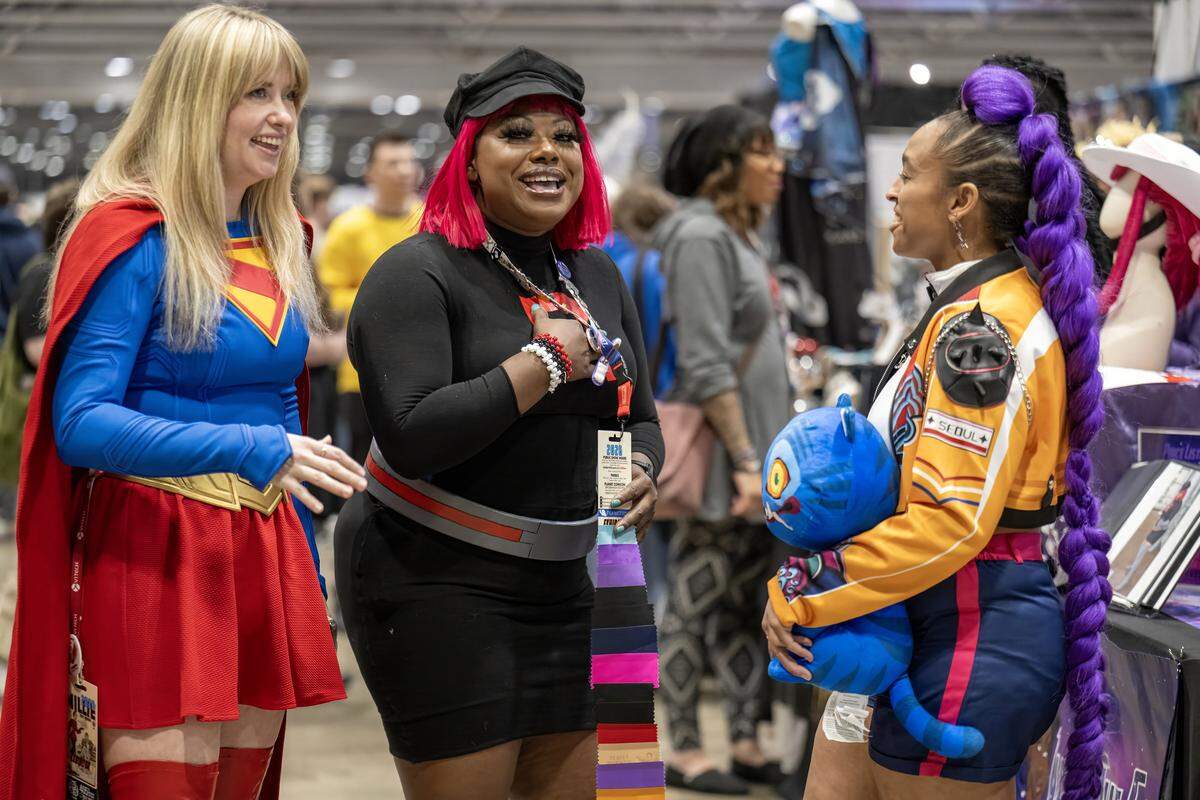
For Geran, those experiences shaped how she approached the craft. After being criticized for purchasing part of a costume early on, she taught herself to sew.
What began as a response to gatekeeping became a skill set. Today, she approaches cosplay with a mix of creation and accessibility, choosing characters based on personal connection rather than resemblance.
“I’ve just always cosplayed what I want,” she said.
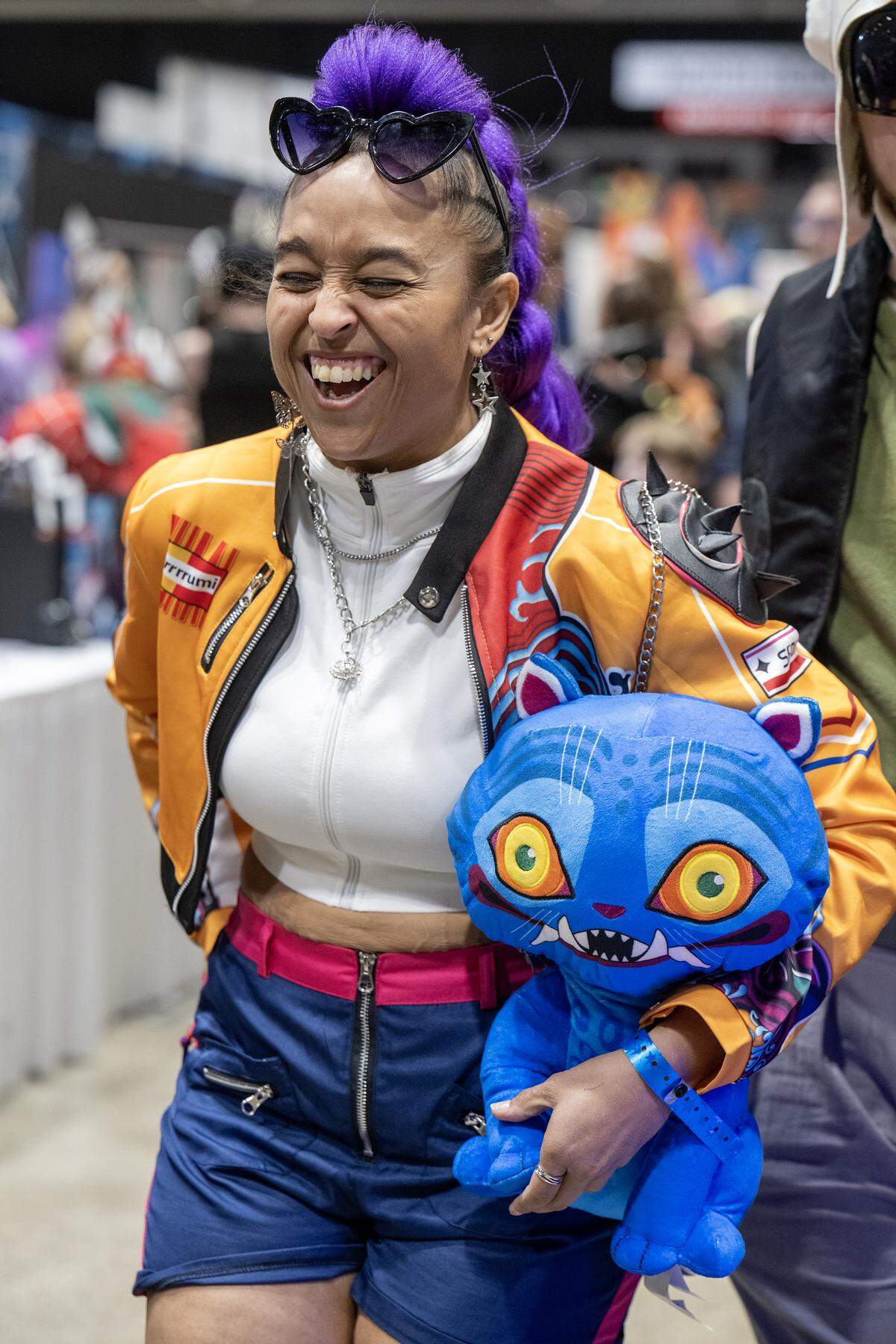
‘Finding a secret club’
Alexander’s path into cosplay came later, but from a similar place of necessity.
“I am also a plus-sized woman, so some of the generic costumes you would find wouldn’t necessarily fit me,” Alexander said. “So then I started to get into modifying things, embellishing them, making them more flattering for me.”
A workplace Halloween contest led her to discover conventions, including Planet Comicon. What she found there was a community she had not previously encountered.
“It was like finding a secret club that welcomed you in with open arms,” she said.
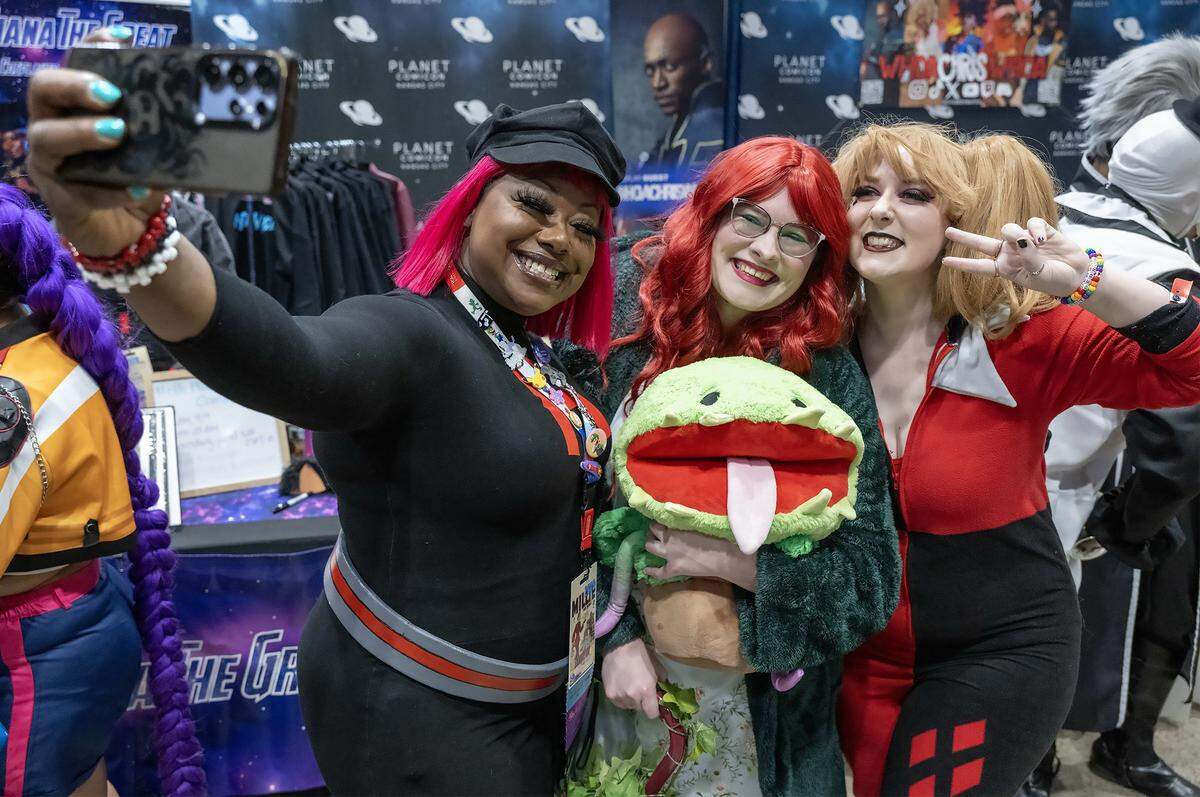
Both women describe cosplay as a form of labor that extends far beyond wearing a costume. Alexander outlines a process that includes planning, sourcing materials, building components and refining details.
“A lot of it is literally just planning, sourcing materials, building the thing and then being proud when everything is done,” she said.
Geran describes a similar process rooted in design and construction.
“If I’m fully building a costume, I sketch it out first,” she said. “Then I find patterns and modify them to match what I need.”
That work often goes unseen by those outside the community. Alexander said the skills involved mirror those found in other professions.
“There’s so much engineering and math and other skill sets that cross over,” she said. “People think you’re just a nerd, but they don’t realize you’re more like them than they think.”
While the craft has become more visible, both women say issues of representation continue to shape their experiences.
Alexander said she often has to push back against assumptions about who she should portray.
“I have to advocate that I’m not the Black version of a character,” she said. “I’m just that character.”
Geran described a similar tension earlier in her experience, when expectations around race influenced how others viewed her work.
Over time, both say the culture has shifted.
“I would definitely say the cosplay community has gotten a lot more positive and a lot more accepting,” Geran said.
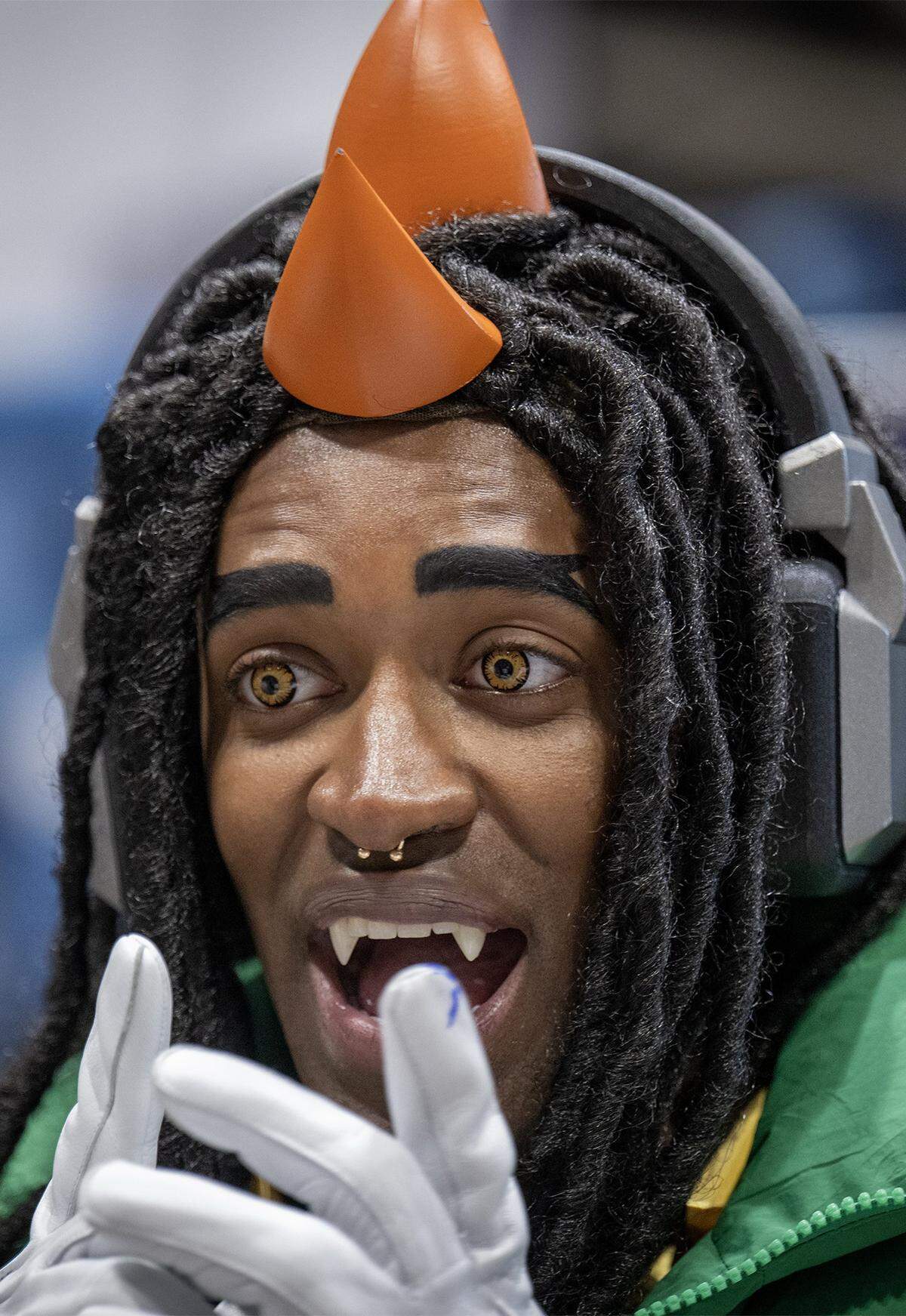
How Planet Comicon prioritizes representation
Beyond the convention floor, cosplay culture in Kansas City is shaped not only by those wearing the costumes, but by the people organizing the space, creating new stories and experiencing it for the first time.
For Tiffany Dixon, a veteran Black cosplayer and director of the cosplay contest, that work happens largely behind the scenes. With more than two decades in the community, her role now centers on shaping how others participate.
“I like to call myself a creaky cosplayer because I’ve just been here for a long time,” she said.
That longevity has shifted her perspective from participant to gatekeeper of sorts, helping determine how craftsmanship is evaluated and showcased at the cosplay competition one of the convention’s largest events.
“They submit an application… we assess for craftsmanship,” she said. “How well the costume is made, the different components, the complexity of technique.”
The process, she explained, is designed to highlight not just creativity, but technical execution. Contestants range from beginners to experienced builders, offering a cross-section of skill levels that reflect how cosplay develops over time.
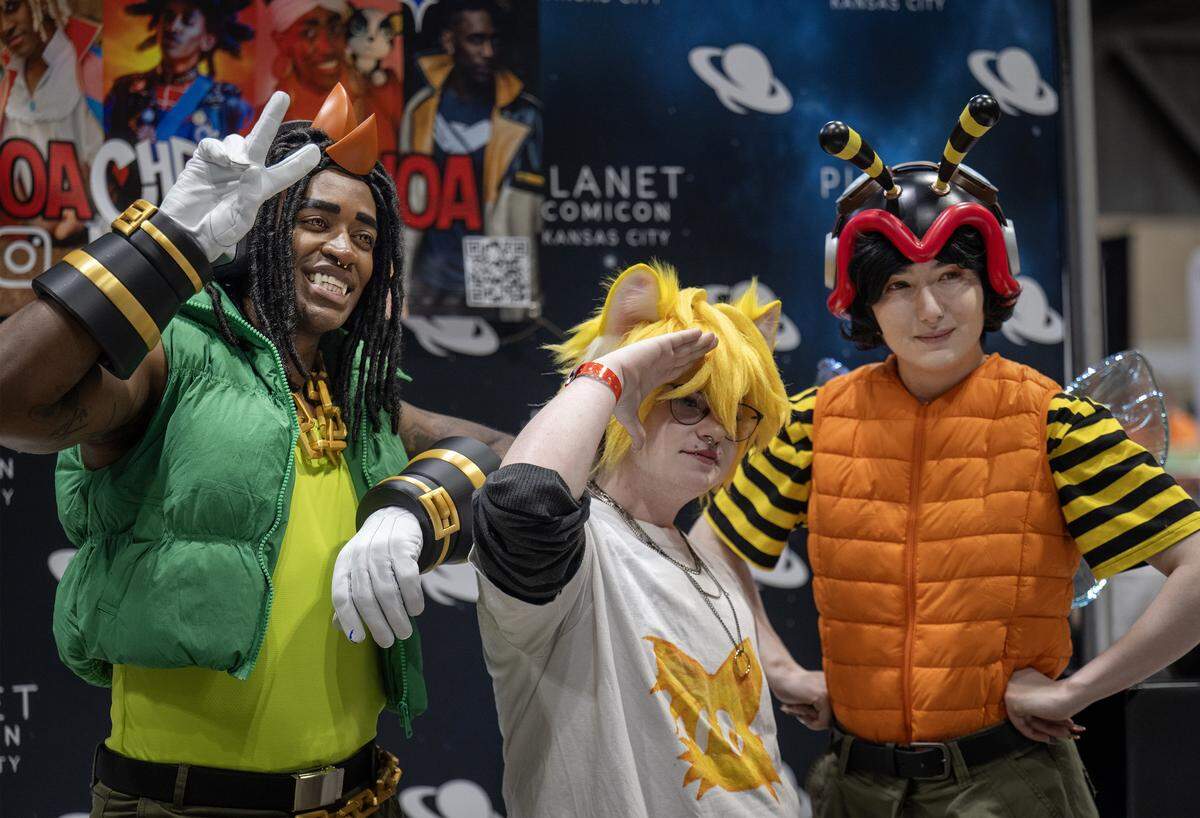
What audiences see on stage, she said, is only part of the story.
“From 15 feet away, it looks one way,” Dixon said. “But when you really get a close look with details, it might look very different.”
That attention to detail separates casual cosplay from competition-level work, where participants often spend months or even years refining a single build. Dixon described projects that involve multiple disciplines, from foam shaping to intricate sewing and wig construction, all working together to create a finished piece.
Even with that level of craftsmanship, she emphasized that cosplay remains open to everyone.
“It’s really choose your own adventure,” she said.
That philosophy reflects a broader shift she has witnessed over time. Early in her experience, representation was limited. At her first conventions, she and her sister stood out simply by being there.
“I didn’t see anyone who looked like me,” Dixon said.
Those early experiences inform her current work behind the scenes, where she now helps shape conversations about inclusion and accessibility within the convention space.
“We talk about making it more inclusive for Black people and other marginalized folks,” she said. “What can we do to make people want to come here and see themselves as part of the population?”
Creating characters with representation in mind
While Dixon helps define how cosplay is presented, Basi Affia, a Black artist is focused on what cosplayers are presenting in the first place.
Affia, a comic creator and publisher based in the Midwest, approaches the space from the perspective of origin, creating the characters he wish he saw growing up.
That realization, he said, came early and stayed with him.
“I remember watching ‘Lord of the Rings’ and asking my mom, ‘Are the orcs supposed to be the Black people?’” he said. “I love it, nothing against it. I just didn’t see myself.”
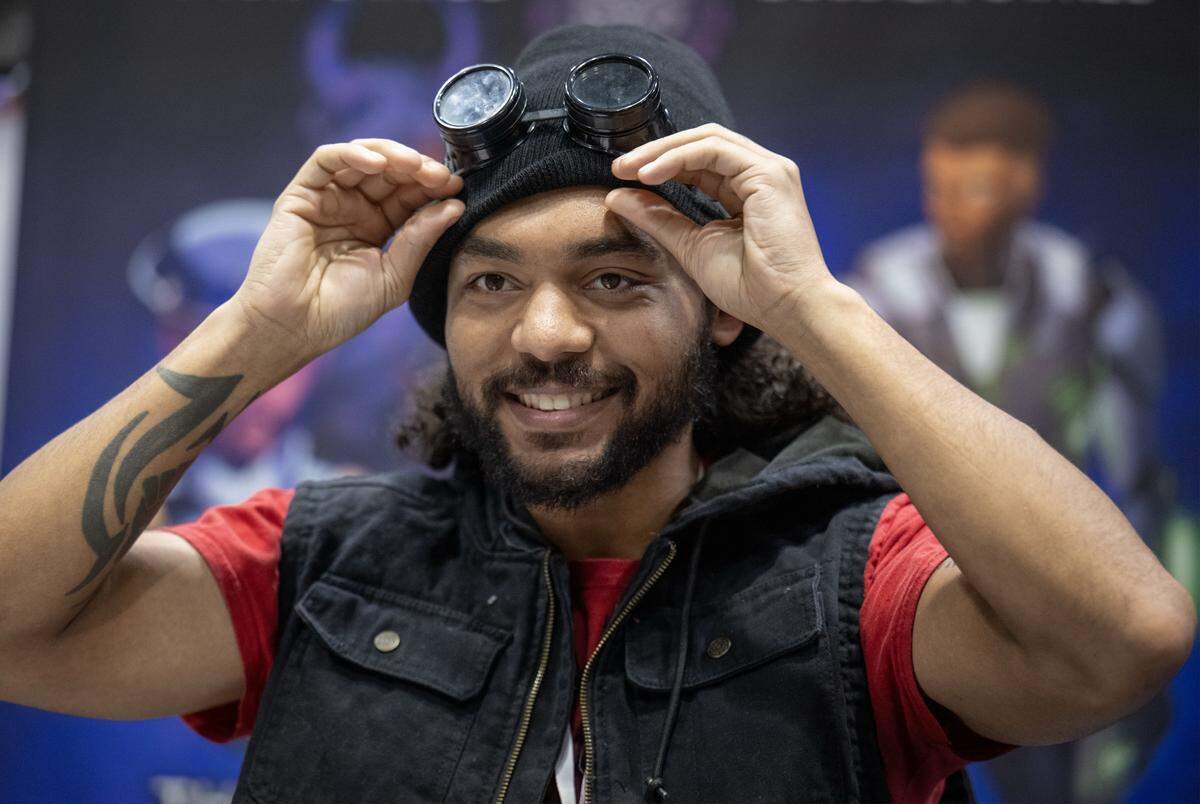
As an adult, he turned that absence into motivation.
“I started creating and being intentional about putting myself in it,” Affia said.
What began as a personal creative outlet has grown into a broader effort to fill gaps in representation, particularly within science fiction and fantasy. His work emphasizes not only the presence of Black characters, but the inclusion of cultural elements that resonate beyond surface-level design.
Affia’s catalog leans into science fiction and fantasy stories centered on Black characters. His titles explore futuristic worlds with interstellar conflicts, drawing inspiration from favorites growing up like Star Trek, Halo and Mass Effect.
“They (readers) really do appreciate the representation, not only in what people look like, but in the cultural aspects that we highlight within the stories,” he said.
At conventions, that work often translates into immediate engagement. Affia said audiences recognize the purpose behind his projects as soon as they encounter them.
“They know the mission, they get the vision,” he said.
Support comes in different forms, from people purchasing books to others simply offering encouragement or financial backing. For Affia, those interactions they serve as a point of connection, allowing him to build relationships with readers and explore opportunities beyond the event itself, including partnerships with local bookstores and other community spaces.
Broadening culture of cosplay culture in KC
Taken together, these perspectives highlight the multiple layers that define cosplay culture in Kansas City. Dixon shapes the structure, Affia contributes to the source material and Dixon and Alexander fuel participation.
Each occupies a different position, but all point to the same trajectory. What was once a niche environment with limited representation is evolving into a broader, more inclusive community, one that continues to expand through both intentional effort and new participation.
The rise of mainstream anime and retail access has also changed how new participants enter the space. Where Geran once relied on limited online options, younger fans now encounter cosplay through widely available media and merchandise.
“It’s nice that they can go to a store and get something,” she said.
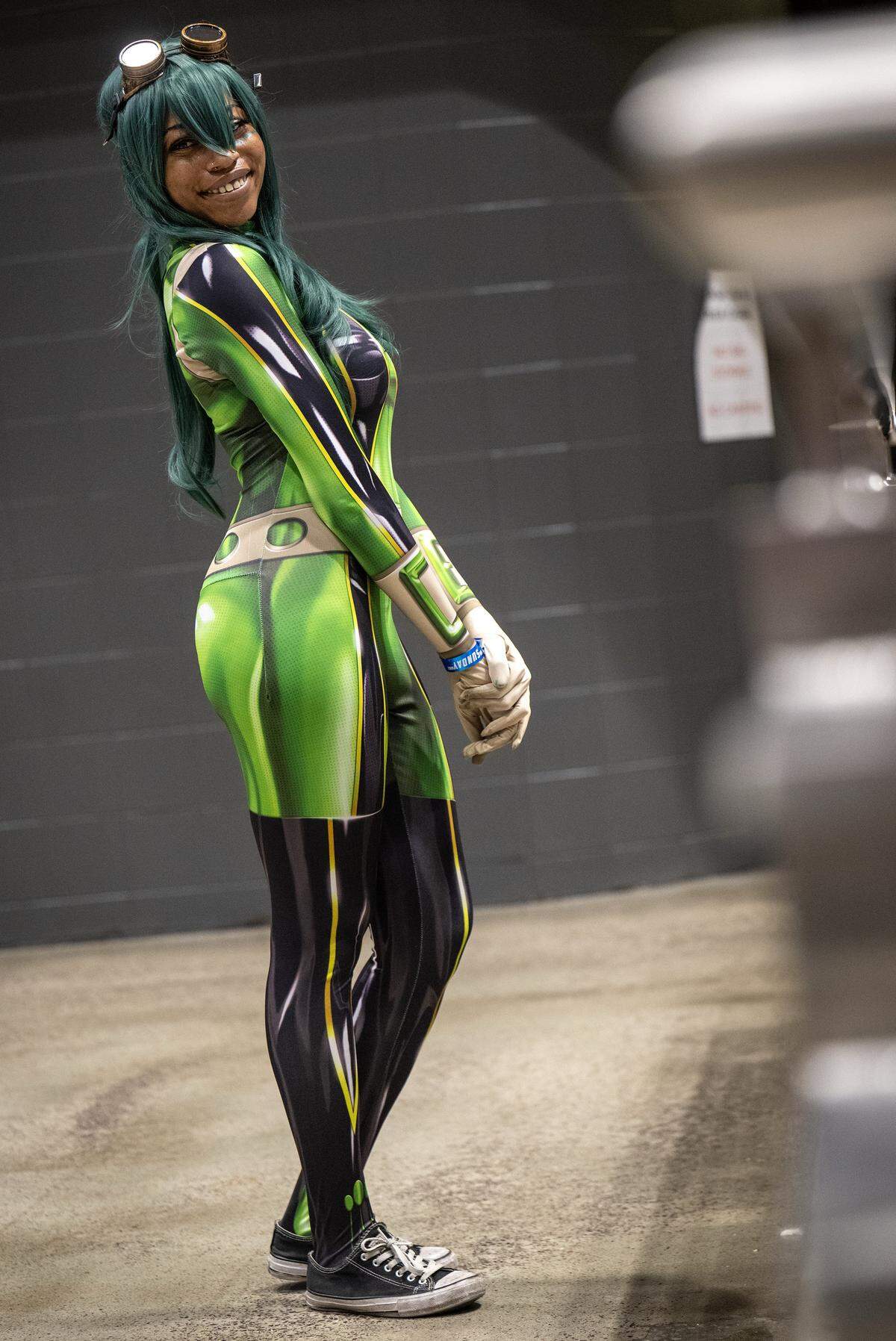
Even with that progress, visibility within Kansas City’s Black cosplay community remains uneven.
“We’re tucked away in corners,” Alexander said. “Depending on where you go, you may find us.”
She added that representation becomes thinner in leadership roles such as judges, panelists and featured guests. This year the event hosted Black entertainers as guests like Keith David who among his various roles on film works on the Amazon show “Hazbin Hotel.”
“I know that sometimes I will be the only one in the room,” she said.
Geran echoed that sense of limited presence, noting she knows only a small number of Black cosplayers locally. She also pointed to a more personal layer of complexity.
“I’ve been told I’m not Black enough,” she said. “So there’s a lot of self-consciousness in it.”
Despite those challenges, both continue to participate in and shape the community.
For Alexander, Planet Comic Con serves as a space for connection and support.
“Being able to be among my community where we get to have fun and express ourselves,” said Alexander. “That’s what I’m looking forward to the most when I am here.”
This story was originally published March 31, 2026 at 9:24 AM.