
‘Strong and remarkable’: Readers marvel at the woman at center of ’18 Tiny Deaths’
Readers may have been attracted to the idea of a book about miniature crime scenes, but they really wanted to talk about the woman behind the scenes.
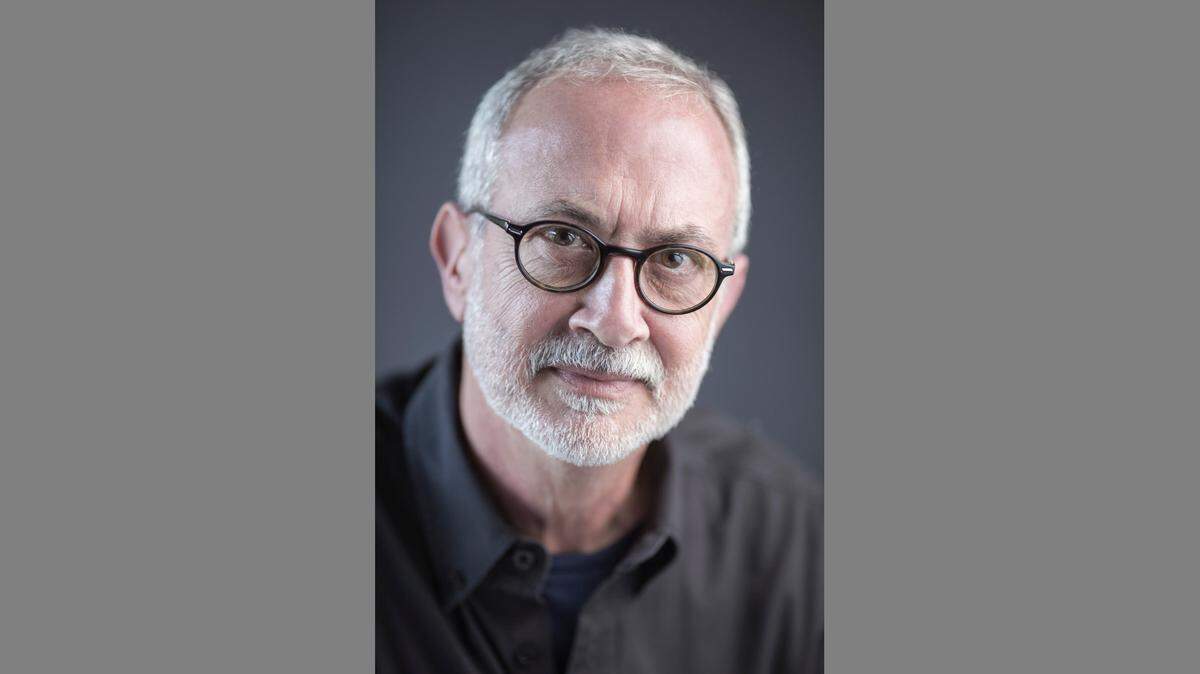
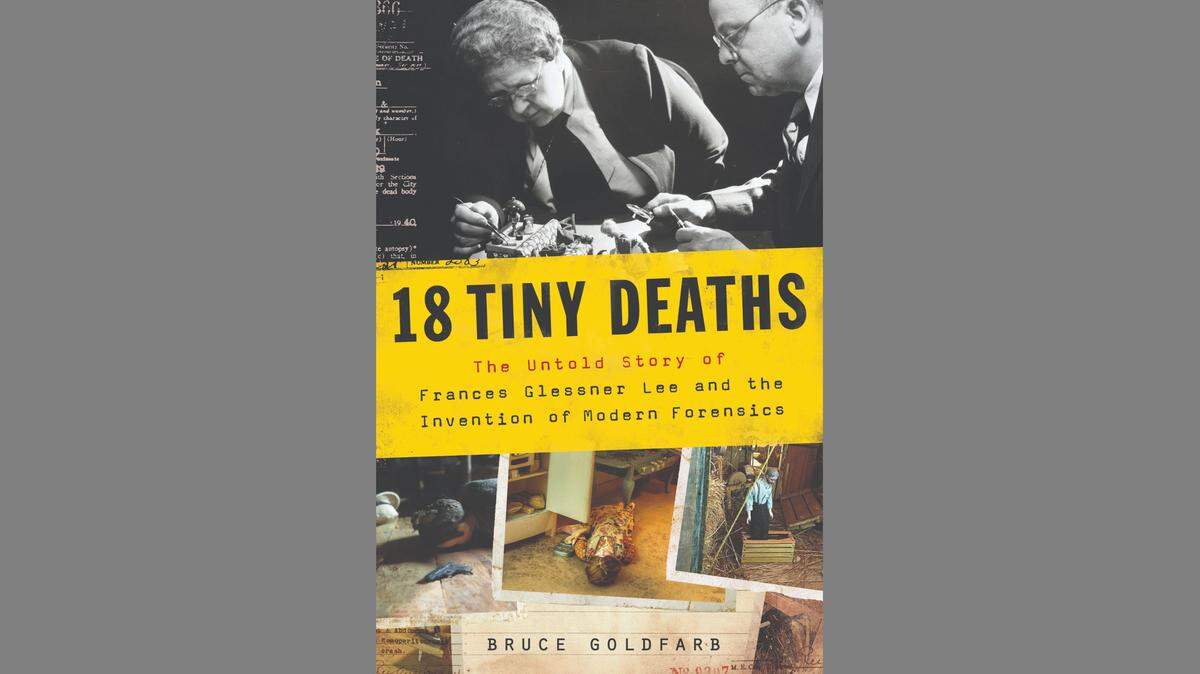
Recently the FYI Book Club gathered on Zoom to discuss “18 Tiny Deaths: The Untold Story of Frances Glessner Lee and the Invention of Modern Forensics” by Bruce Goldfarb. Attendees joined from as far away as Colorado, and halfway through the discussion, Goldfarb, in Baltimore, entered the conversation to take questions and shed further light on Lee.
Participants were fascinated with the portrait of a wealthy Gilded Age society woman who used all the considerable resources at her disposal to pursue one single subject for most of her life, the advancement of forensic science. A couple of readers felt the book could benefit from some closer editing, but no one faulted the depiction of Frances Glessner Lee.
“This was an even-handed portrayal of a complex woman living in challenging times,” said Ron Mediatore of Denver.
For all of Lee’s financial and social advantages, readers noted her particular handicaps.
“Frances seemed sad to me,” said Peggy Brockschmidt of Kansas City. “She had a set of abnormal problems. She was born too early to go to college. Her marriage was a disaster. Many things in her life didn’t turn out the way she hoped, even though she worked so hard.”
Elizabeth Blanchard Hills, Overland Park, said, “Historical stories can be complicated. I think Frances’ story is a lot like other women’s stories in history. You’re not expected to have a career or know things. She didn’t fit in with the ideal of women in her socioeconomic peer group.”
Brockschmidt wondered if there was a romantic relationship between Lee and her brother’s college friend, Dr. George Magrath, the person who introduced Lee to the wonders of forensic medicine. Goldfarb was adamant they were close, affectionate friends and nothing more.
“There is no evidence there was anything romantic between Frances and Dr. Magrath,” Goldfarb said. “Magrath had no interest in women. He never married and had no children. There is no evidence Magrath had a relationship with anyone.”
Readers found far more to discuss regarding Lee’s dedication to establishing a department of legal medicine at Harvard University and the university’s dismissive treatment of Lee, her intellectual prowess and financial gifts.
“I would think the fact Frances was dealing with all these educated people at Harvard was a barrier,” said Kathleen Taylor, Kansas City. “She didn’t have a formal education. She was knowledgeable and smart, but it wasn’t the same as a formal education.”
Karen Wilson, Kansas City, said, “Frances was on the edge of something new, and yet Harvard was so blind as to what she had to offer. Yes, she had no formal education, but she was being asked to edit medical periodicals because she was the authority on the subject. Could Harvard be so sexist?”
Jonne Legg, Kansas City, said, “I’m still not sure why Frances insisted on Harvard. If she had gone to another university she might have made greater strides.”
Goldfarb said, “Frances had relationships at University of Chicago and other institutions, but she had invested so much in Harvard. For all its shortcomings, Harvard had the imprimatur and gave this new science a legitimacy.”
Wilson observed, “Harvard and Frances used each other,” and Goldfarb grinned.
“They did use each other, Frances and Harvard,” he said. She used the aura of Harvard and she knew full well what she was doing. It was mutual exploitation and it worked for both of them.”
Lindsey Foat, Kansas City, said, “I would normally find it distasteful when people throw their money and social influence around. But these were the tools Lee had, other than her intellect. I like her bullying her way into getting what the school needed.”
Mediatore said, “Frances’ money might have been all Harvard needed to sit down with her in the first place, but weren’t there police officials who attested that her theories and practices actually helped solve crimes? I was shocked that she had trouble garnering the respect of Harvard, especially given that her work proved useful.”
Goldfarb said, “It wasn’t that this area of study wasn’t necessary. The need was evident; Harvard didn’t think it was their responsibility. They recognized the value of study in the field but didn’t feel it belonged at Harvard.”
Brockschmidt said, “I think Harvard thought forensic science was low class and blue collar and not appropriate for Harvard. They viewed it as police work. It wasn’t medicine.”
Karin Bauer, Kansas City, said, “At times I felt sad about Frances’ situation, and other times I was so angry at how she was treated by the guys. She was so humble, but she never gave up. I was so in awe of what she did, even though there were all these hurdles.”
Gene Ann Newcomer, Overland Park, insisted readers note Lee’s contributions to forensic science.
“Let’s focus on what she did achieve. It’s amazing. It impacted where we are now. What a difference it makes being able to pinpoint the actual murder time. Despite all those challenges and roadblocks, Lee was strong and remarkable in her advancements of this science. All those hurdles and she lived to 83! There were people who could get away with crimes and innocent people who were convicted, but Frances’ contributions to forensic science fought those conditions. She made a difference in her lifetime that impacts ours.”
Goldfarb reminded readers that it was Lee’s choice to remain behind the scenes and eschew publicity and credit. He also pointed out that Lee had the eventual last word regarding Harvard and her sizable estate. “Remember,” he said, smiling, “she cut Harvard entirely out of her will.”
Kaite Stover is the Kansas City Public Library’s director of reader’s services.
Join the club
The Kansas City Star and the Kansas City Public Library present a book-of-the-moment selection every few weeks and invite the community to read along. To participate in a future book discussion led by the library’s Kaite Stover, email kaitestover@kclibrary.org.