
‘Such an emotional experience’: KC book club moved by memoir of rape and forgiveness
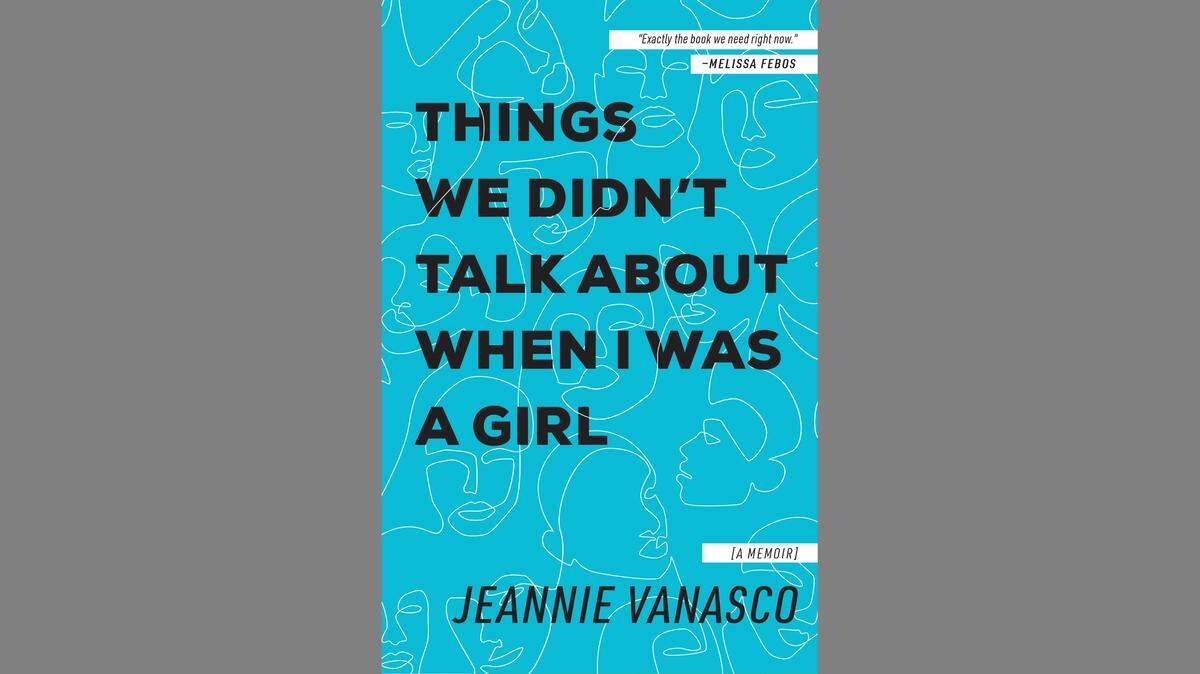
Jeannie Vanasco’s memoir, “Things We Didn’t Talk About When I Was a Girl,” is a slim book with a deceptively quick pace.
And yet many readers in the FYI Book Club found it took them longer than average to finish. The book made them slow down and think.
It’s the story of how Vanasco, years after a sexual assault, makes peace with that experience by interviewing her attacker. It’s an internal struggle with accepted cultural norms and an unusual personal desire to understand how a good person can do terrible things.
The FYI Book Club did not let the recent stay at home orders keep them from gathering, via video conferencing software, to discuss this important emotional memoir. Vanasco dropped in to take some questions and observations.
“This book was such an emotional experience,” said Lisa Timmons of Overland Park. “I had to step away from it periodically and digest what I was reading. It took a lot of time. More than I thought.”
Her sister, Tori Kottwitz of Kansas City, said, “I’m a slow reader anyway. I savor. But it was difficult to immerse myself in the book. I could do small nuggets at a time because of the emotional impact of the writing, but it was still compelling.”
Simmons continued, “Tori and I read this book out loud to each other on a car trip, and we’d stop frequently and process what we were reading.”
Brandon Smith of Kansas City felt the opposite. Smith said he picked up the book and couldn’t put it down. He wondered what that said about him as a reader: “Does it mean I’m callous and the emotional impact didn’t hit me? I don’t think so, because I finished this book in almost one sitting, but it’s stuck with me. I felt so involved with this story that I couldn’t put it down while I was reading.”
All the readers agreed the book became most absorbing as soon as the author reached out to her attacker, Mark, for his memories of the incident.
Kate Heinen of Kansas City was moved by the author’s decision to contact her assailant. “It’s her bravery,” Heinen said. “I wanted to know what would happen when Vanasco confronted Mark.
“She was willing to call herself out on being forgiving and mindful of her attacker’s feelings and she would try to make herself get past those feelings, and then she’d break them down and ask herself WHY is she like this?”
Timmons felt it was the author’s decision-making process that made the book suspenseful. “She takes you on this roller coaster of her mind, and even though she gets input from various friends and family, you still wonder what she will decide, because it has to be her own decision,” Timmons said.
Heinen has experience working with survivors of sexual assault and pointed out that Vanasco’s inner monologue is similar to that of other survivors.
“People are really hard on themselves for the way they respond or didn’t respond,” Heinen said. “Vanasco applied so much grace to her own varied responses and then named them. I thought she did a great job of just laying it all out there in a way I felt would be relatable to other survivors.”
Readers had mixed emotions about Mark. They certainly didn’t condone what he did, but they did appreciate his willingness to go on this journey with the author.
They compared the notion of “permission” between the author and Mark. They found it fascinating that Vanasco was so concerned that Mark might not give his consent. Readers pointed out that Vanasco hadn’t given hers, yet she was so concerned with getting Mark’s permission and it never once occurred to her that he hadn’t sought hers.
‘’They had this deep friendship to begin with,” Heinen said. “Perhaps that’s what allowed him to stay with her as she continued with her story. Because at any point he could have stopped.”

Vanasco joined the discussion at this point, and readers asked about Mark and his reaction to her memoir.
Vanasco talked about the recordings she made of their conversations, but emphasized, “I didn’t share those with him, and he didn’t ask.”
When asked if Mark had read the book, Vanasco said, “I know he’s read the book, but I don’t know his thoughts beyond that. All he said was he’s still processing it. I have to remind myself that he’s not in a position to judge it as other readers might, and it’s probably very difficult for him.”
Asked if Mark’s opinion mattered to her, she laughed and said, “No, not at all. I don’t care if the book upsets him, because I can’t control that. But as a writer, you still want to know, because I tried to be as fair to him as I could, and I think the reader, at least, can see that.”
Beyond Mark, the thoughts and feelings of others did matter to Vanasco. She talked about her own mother reading this emotional memoir.
“I deliberately did not tell my mom about the book because I just wasn’t sure how she would respond. Obviously it’s personal to her, too. When I did tell her, she was upset but not at me. She wanted to send a copy of the book to Mark’s parents, and I didn’t want that. She said, ‘Why should I have to know and they don’t?’”
Vanasco mused, “My mother raised a very interesting point. Because who ends up doing all the emotional labor and who gets to escape it? Where does forgiveness fit in?”
Heinen summed up the gathering with, “My hope is people will read this book and be able to lean on some of Vanasco’s self-foregiveness and practice that with themselves.”
Kaite Stover is the Kansas City Public Library’s director of reader’s services.
Join the club
The Kansas City Star and the Kansas City Public Library present a book-of-the-moment selection every few weeks and invite the community to read along. To participate in a future book discussion led by the library’s Kaite Stover, email kaitestover@kclibrary.org.