‘Heartbreaking decision’: 2020 performances canceled by 4 big Kansas City arts groups
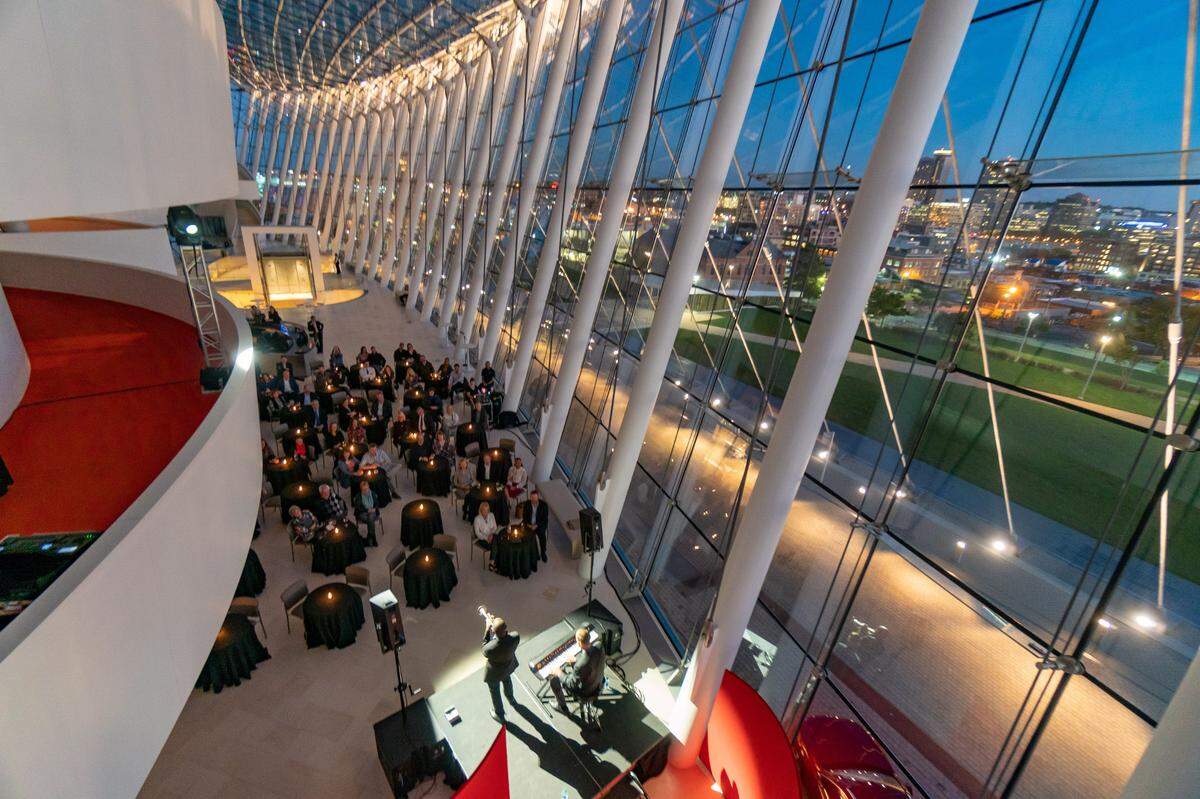
No, the Kauffman Center for the Performing Arts is not going dark.
But in what amounts to a drastic blow to the venue and to Kansas City’s major arts organizations, the Kansas City Ballet, the Kansas City Symphony, the Lyric Opera of Kansas City and the Harriman-Jewell Series announced Tuesday that they have canceled all performances at the Kauffman Center for the next six months, until January 2021.
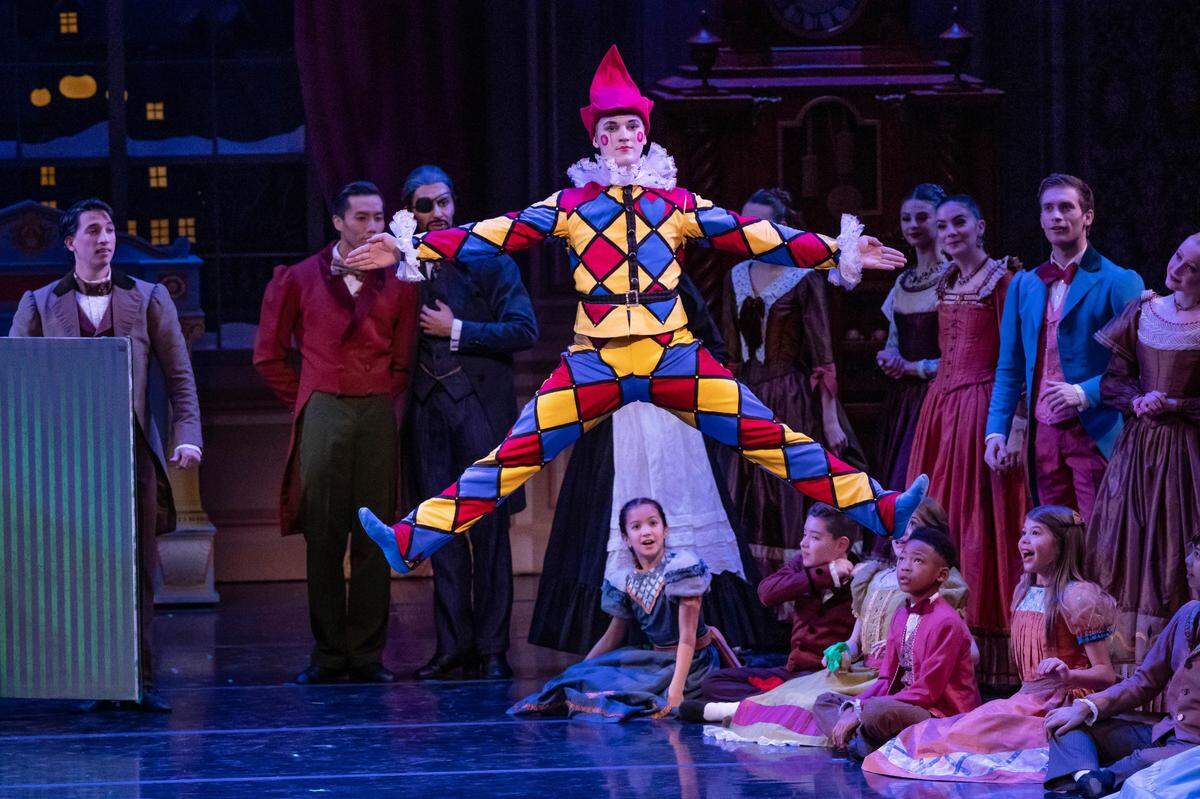
That includes “The Nutcracker,” a major part of the ballet’s yearly revenue, drawing some 30,000 attendees each December.
The announcement, citing concern over the continued rise in COVID-19 infections, was made in a joint statement from the Kauffman Center and the four arts organizations, which had already been forced to end their seasons early in the wake of the pandemic and the city’s initial coronavirus shutdown in March.
The decision affects tens of thousand of patrons, thousands of season ticket holders, as well as each organization’s finances and the jobs of hundreds of artists and other employees, some of whom have already been laid off.
Two weeks ago, Starlight Theatre announced it would cancel all remaining musicals and concerts for the rest of the summer. Tuesday’s announcement raises questions as to the fate of performances scheduled into the fall and winter at other venues, such as the Arvest Bank Theatre at the Midland, the Sprint Center, Uptown Theatre and the Music Hall.
“It was an extremely painful and heartbreaking decision,” said Deborah Sandler, general director of the Lyric Opera. She then expressed a sentiment shared by each of the arts groups.
“The decision was made because we thought it was basically impossible for us to perform.”
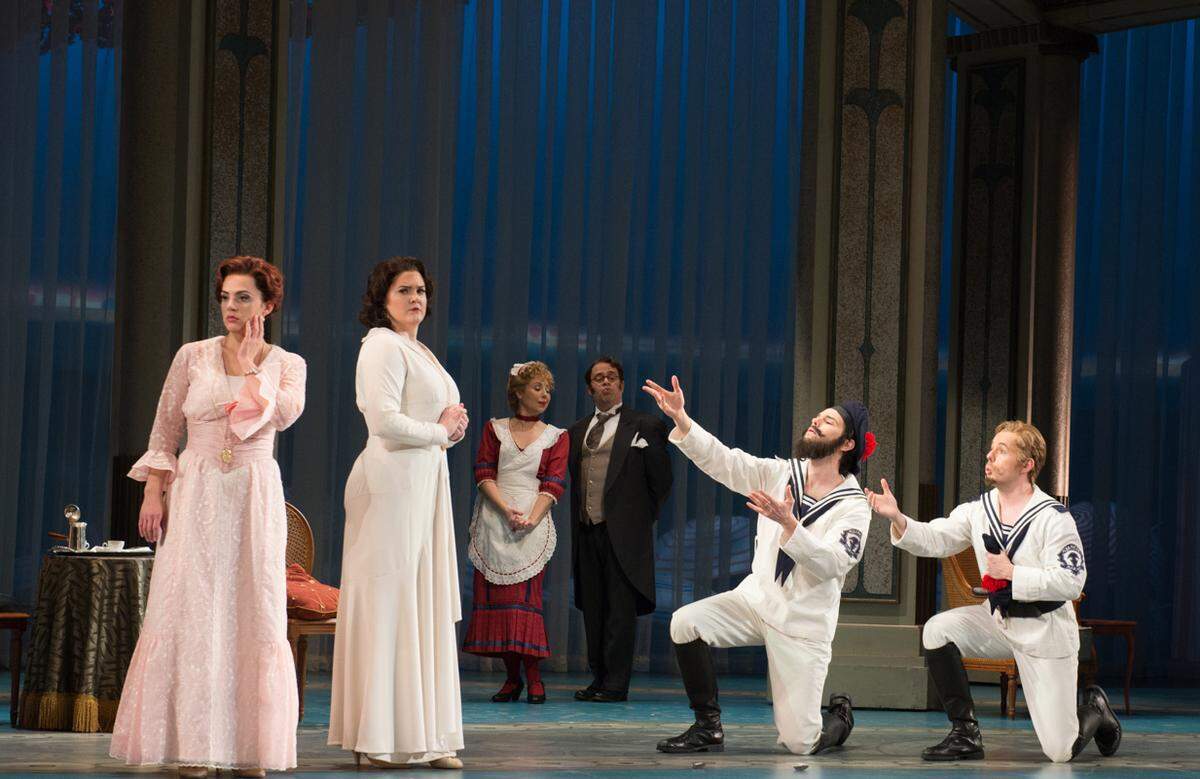
Of prime concern was the health and safety of the audience, she said, but also of all performers and crew. Mounting an opera places hundreds of people in close, unprotected proximity.
“There are so many different people involved,” Sandler said. “You have the orchestra in the pit. You have singers in the chorus. The singers sing to themselves in rehearsal, but then they sing on stage and and it goes over the orchestra pit and goes out into the house, and so on and so forth.”
The ballet’s quandary is similar.
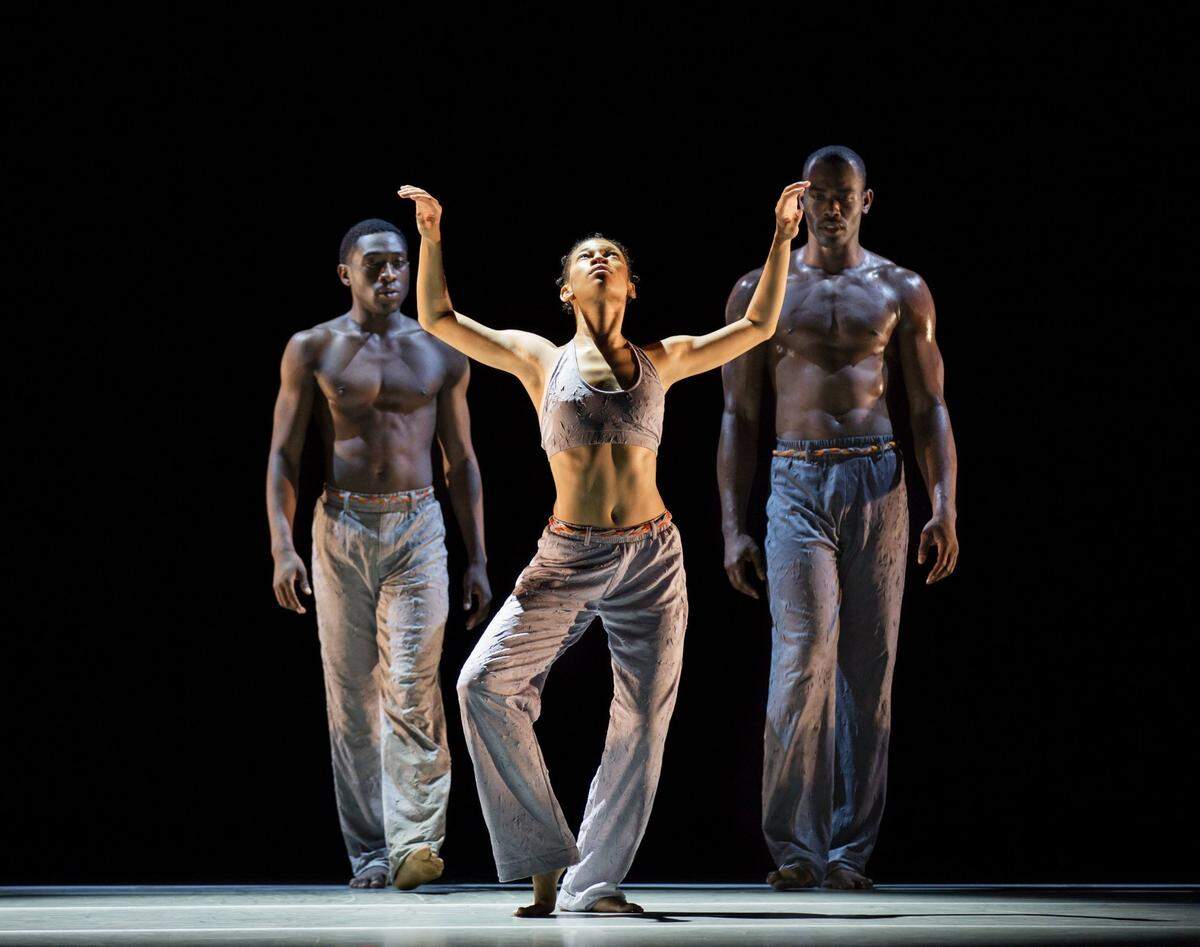
“Our art form is innately the opposite of social distancing,” said the ballet’s executive director, Jeffrey Bentley. “You can’t have both. I mean, these are people whose job it is to touch each other, to lift each other, to turn each other, to roll around with each other. Until that gets resolved, I don’t know. No one knows.”
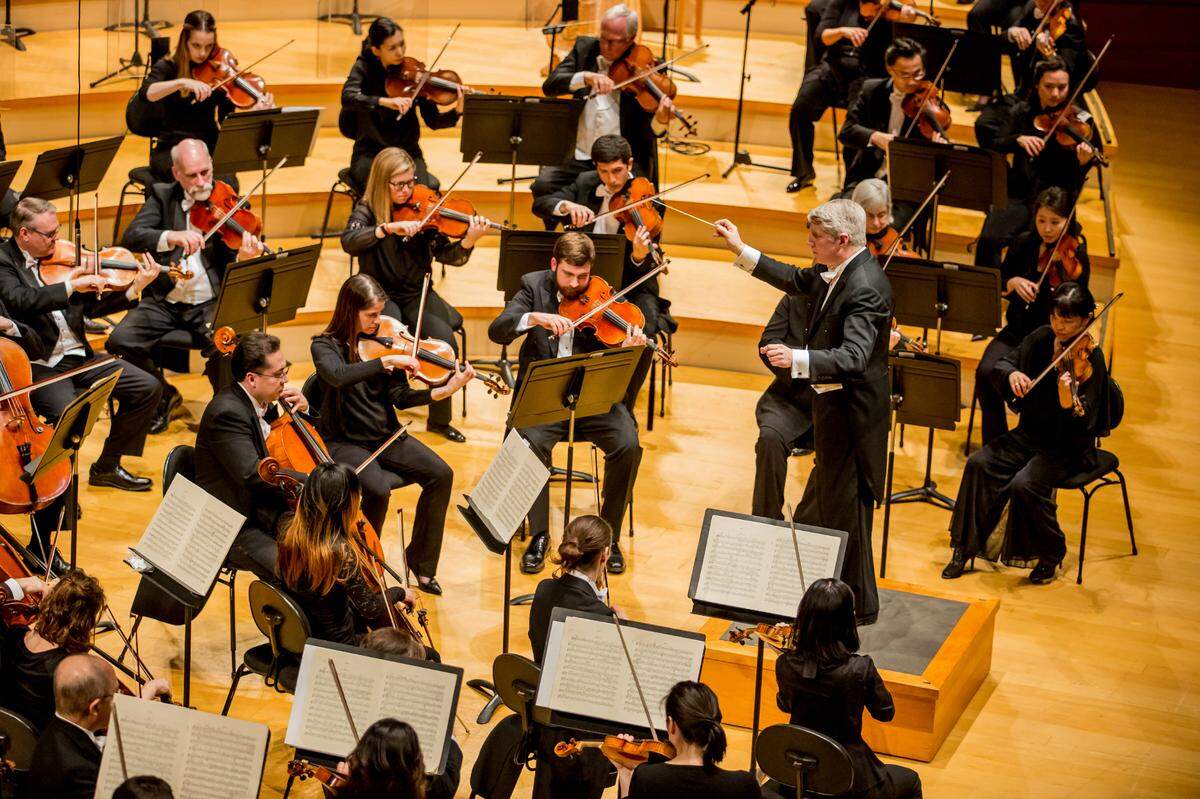
Daniel Beckley, executive director of the symphony, said, “Obviously the root of the decision is the pandemic and the expectation that things are probably going to be ramping up.”
‘A very fluid situation’
Because of endowments, Paycheck Protection Program loans, emergency funds and charitable donations from corporations, foundations and individuals, the nonprofits remain financially sound and are not at risk of closing their doors, their leaders said. But given the recession and massive unemployment, they are preparing for drops in donations. In the last 15 weeks, some 48 million Americans have applied for unemployment benefits.
“I think we’re all in for a very fluid situation,” said Sandler of the opera..
The major arts organizations’ seasons typically run from September to May or June. This year, all lost up to a quarter or so of yearly ticket revenue when, on March 15, their seasons effectively ended following Kansas City Mayor Quinton Lucas’ order to limit all gathering to 50 people or fewer. One week later, Lucas announced his stay-at-home order.
Strict rules for businesses have since been relaxed, but the mayor’s latest emergency order, signed on June 26, citing the rise in coronavirus cases, requires people to wear masks inside public spaces or maintain six feet of social distance.
Social distancing rules alone would reduce audiences in Kauffman’s Helzberg Hall, which holds 1,600 people, or the Muriel Kauffman Theatre, which holds 1,800, to a few hundred patrons each.
“You don’t want to take these big productions and put them on stage for 300 people,” said the ballet’s Bentley. “It doesn’t make any sense. We couldn’t do the season we wanted to do.”
The organizations compiled a list of more than 25 major performances that were scheduled between September and December that are now either canceled, rescheduled, or in the case of the symphony, postponed until 2021. They range from the symphony’s “Star Wars: Return of the Jedi in Concert,” scheduled in September, to the Jewell series’ Parsons Dance performance scheduled for October, to the Lyric Opera’s November staging of George Gershwin’s “Porgy and Bess.”
The numbers
Each organization is now girding itself for the financial toll.
Consider:
▪ The Kauffman Center: It hosts 300 performances a year, with an annual operating budget of about $11 million. Half of the budget relies on ticket sales and space rental, the majority of which comes from the ballet, opera and symphony, known as the Kauffman’s three “resident” arts organizations. The Kauffman is not shutting down for the year. “We still have a number of performances still on the calendar,” said President and CEO Paul Schofer. A series by the Kansas City Jazz Orchestra is included. Some special events, such as the “Crescendo” fundraiser for the UMKC Conservatory with performances in Helzberg Hall, remain scheduled, at least for now.
The Kauffman employs 30 full-time staff. Its 60 contract and part-time staff, hired for events, were let go in March.
“In terms of the Kauffman Center, this is painful, no doubt,” Schofer said. “The idea of having a pandemic is once in a lifetime; an economic recession comes maybe once every 10 years. They both hit us within a matter of weeks.”
▪ Kansas City Ballet: Some 50,000 to 60,000 people attend their performances each season. The ballet has an operating budget of $9.4 million. Ticket revenue supplies $3.9 million of that, of which $2.25 million is made from “The Nutcracker,” now canceled.
“We’ve had 40-plus percent of our income taken away, totally taken away,” Bentley said. “All of our ticket revenue is gone up until January.”
The ballet each year contracts with 30 dancers for 35 weeks, paying their health benefits for 52 weeks. It is a select corps that the ballet needs to pay and keep together. “It’s imperative,” Bentley said. “These are not people you hire like you hire a clerk. They’ve been sought out. They’ve been selected. They have a gift. This is comparable to a professional sports team. We want to to keep them.”
The organization laid off three of its 31 full-time administrative employees and furloughed 15 more. The others took a 15% to 25% reduction in salary.
The ballet has a 180-seat theater at its headquarters at the Todd Bolender Center for Dance & Creativity, 500 W. Pershing Road, where it hopes to do smaller productions, with social distancing, for 50 to 60 attendees.
“The thing we still need to resolve is how to get them back together dancing safely as a group,” Bentley said. No one has figured that out yet.”
▪ The Lyric Opera of Kansas City: The opera will lose two of the four major productions it mounts at the Kauffman Center. In mid-March last season, the company was halfway through its third production, “Lucia Di Lammermoor,” by Gaetano Donizetti, when COVID-19 restrictions stopped the show. Its April production of “The Shining,” based on the Stephen King horror novel, was canceled.
The opera has a $7 million annual operating budget, with about 20% coming from tickets. The new fiscal year began last week. “We are looking at a budget that’s about half that amount,” Sandler said, “with almost no earned revenue from ticket sales.”
The opera has a staff of 21. Its full-time equivalents have been cut by 25%. Others have had their salaries reduced.
To keep opera fans engaged, the Lyric is planning small, socially distanced events around town and at its black box theater, 1725 Holmes St. Productions will be available to view virtually and be recorded to be viewed online.
▪ Harriman-Jewell Series. The series, from September through May, was to bring 22 performances to Kansas City — eight to the Kauffman, 12 to the Folly Theater, others elsewhere. The entire 2020-21 season has been postponed, pushed a year forward, with the same performers rescheduled for 2021-22. The series draws 26,000 to 28,000 patrons a season. The series operates on a $3 million annual budget; about $750,000 of its revenue comes from ticket sales. Its staff of seven full-time employees has been retained.
▪ The Kansas City Symphony. Its season was set to begin Sept. 9, with “Star Wars: Return of the Jedi in Concert,” with 14 more concerts before Jan. 1. The symphony’s strategy, at this point, is to “compress” its entire nine-month season into the six months from January to June.
“We think we can get everything in,” Beckley said. “We believe we can deliver on a full subscription.”
Meantime, its plan in the fall is to travel around the metro to perform smaller chamber ensemble pieces to socially distanced audiences.
The symphony employs 80 musicians. All will return.
“I want to be clear. They are going to be playing. We are going to change the way we do things,” Beckley said. “We’re going to take this all over the community. We’ll perform outdoors, short performances to groups of people all over. Everywhere. We’ll perform online.”
Its $20 million annual operating budget gets about $8 million from ticket sales. Beckley anticipates they will bring in only about $3 million in ticket sales. No staff has been cut thus far, but Beckley said that is not out of the question.
“I mean we are evaluating what our needs are,” he said. “We will probably be making some adjustments according to that.”
The four organizations are offering credits for future performances or refunds. The organizations are nonprofits, so patrons can also opt to donate the value of their tickets.
The COVID-19 pandemic has presented each organization with profound challenges that the leaders of each group said they are certain they will weather. Speaking for the ballet, Bentley could have been speaking for all.
“Dancing has been around for thousands of years,” he said. “It is part of our DNA. We’re going to figure out a way. We’re going to get through this. Right now, it’s just step by step.”
This story was originally published July 7, 2020 at 9:58 AM.