
Guest commentary: Access to recreational lands must be safeguarded
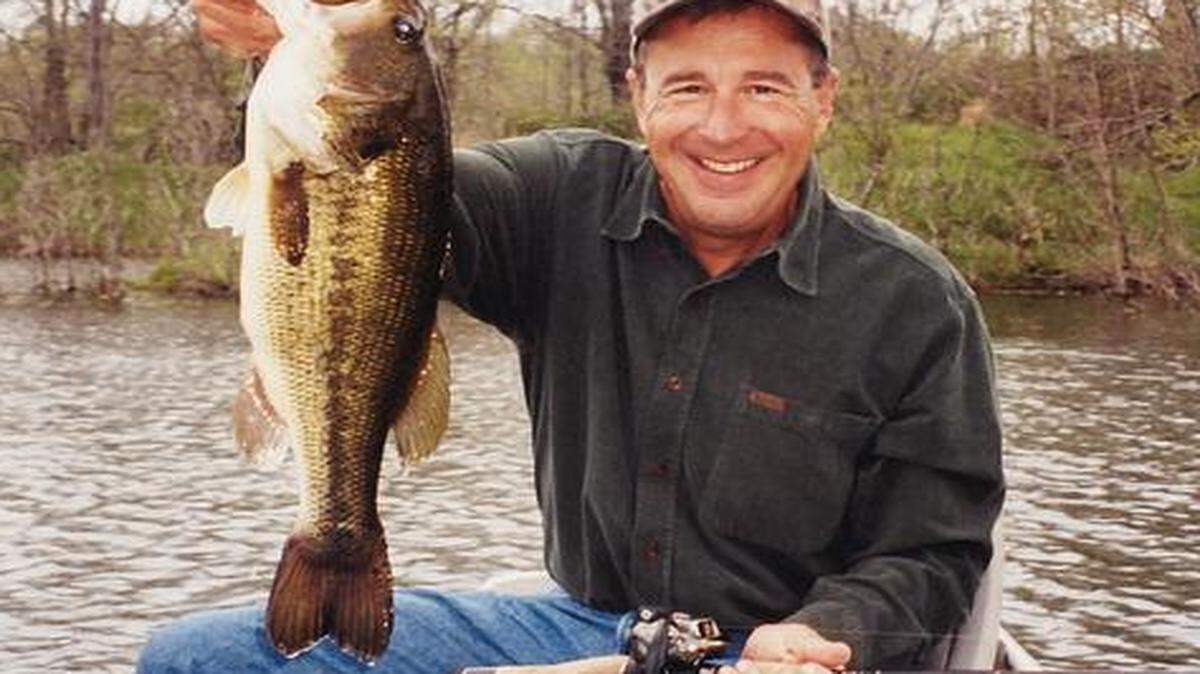
Saturday is National Hunting and Fishing Day, a time to celebrate two of America’s most enduring pastimes. Unfortunately, those pursuits are imperiled by the diminishing access for sportsmen to millions of acres of land and waters.
Research has shown that the loss of access is a primary reason why people stop hunting and fishing. All Americans who value open space, abundant fish and wildlife, and clean water should be concerned about that fact even if they’ve never stalked a deer or felt the thrill of a bass ambushing a surface plug.
Today, hunters and anglers buttress the entire American conservation system. Hunting licenses and excise taxes drive more than a billion dollars per year to wildlife conservation, according to the National Shooting Sports Foundation. The foundation estimates that conservation dollars would increase by nearly $100 million per year if half the hunters who lapsed bought a license.
Every American benefits from these conservation dollars through clean water, additional open spaces, more wildlife to enjoy and places to play. It’s also worth noting that hunting and fishing activities contributed more than $75 billion of the $646 billion outdoor recreation economy in 2011.
Conservation dollars from sportsmen are likely to decrease if access to public lands becomes increasingly harder, as evidence clearly suggests. Relentless suburban sprawl eats up open spaces across the country, turning diverse wildlife habitat into subdivisions. Another significant problem is that sportsmen often find their access to vast areas of public land blocked by private land interests.
According to a congressional study, more than 35 million acres of public lands — that’s roughly the size of Alabama — are effectively inaccessible to the public, largely because of changing demographic patterns on private lands and the loss of traditional access points.
America needs a recommitment to the rights of public access and opportunity. Congress, the administration and the states can take several steps to stem the loss of public access and reinvest in the outdoor economy:
▪ Pass important federal legislation, such as the HUNT Act and the Making Public Lands Public Act, which prioritize federal efforts to reconnect public lands to the public by improving access.
▪ Fully fund the Land and Water Conservation Fund. This fund is the government’s chief vehicle to conserve new lands both through fee acquisition and easements on working landscapes. Almost a billion dollars goes into the fund each year for safeguarding the nation’s natural areas, yet Congress regularly raids the fund for other purposes not related to conservation.
▪ Implement and expand the Farm Bill’s Open Fields program, which creates incentives for private landowners to voluntarily open their lands to public access.
▪ Develop a policy of no-net-loss of public access in all public lands management decisions. If government agencies choose to industrialize an area for energy development, mining or other extractive activities, make sure that new public hunting and fishing opportunities are established elsewhere.
▪ Invest in water conservation, especially in the West and South. Poor water planning and ineffective water conservation measures lead to dry rivers, polluted waterways, lost fisheries and lost fishing opportunities.
Finally, all Americans who love the outdoors need to get engaged and speak up. Loss of access and opportunity does not happen all at once; it is the proverbial death by a thousand cuts.
America’s 40 million hunters and anglers are the first to see changes in the land. It is up to us to make sure that our grandchildren will someday celebrate their own national hunting and fishing day in pristine, easily accessible locations that inspire awe and reverence for our country’s beautiful natural world.
Johnny Morris is founder and CEO of Bass Pro Shops. Whit Fosburgh is president and CEO of the Theodore Roosevelt Conservation Partnership.
This story was originally published September 22, 2014 at 10:53 AM with the headline "Guest commentary: Access to recreational lands must be safeguarded."