
Gov. Sam Brownback and lawmakers must stop cheating Kansas schools
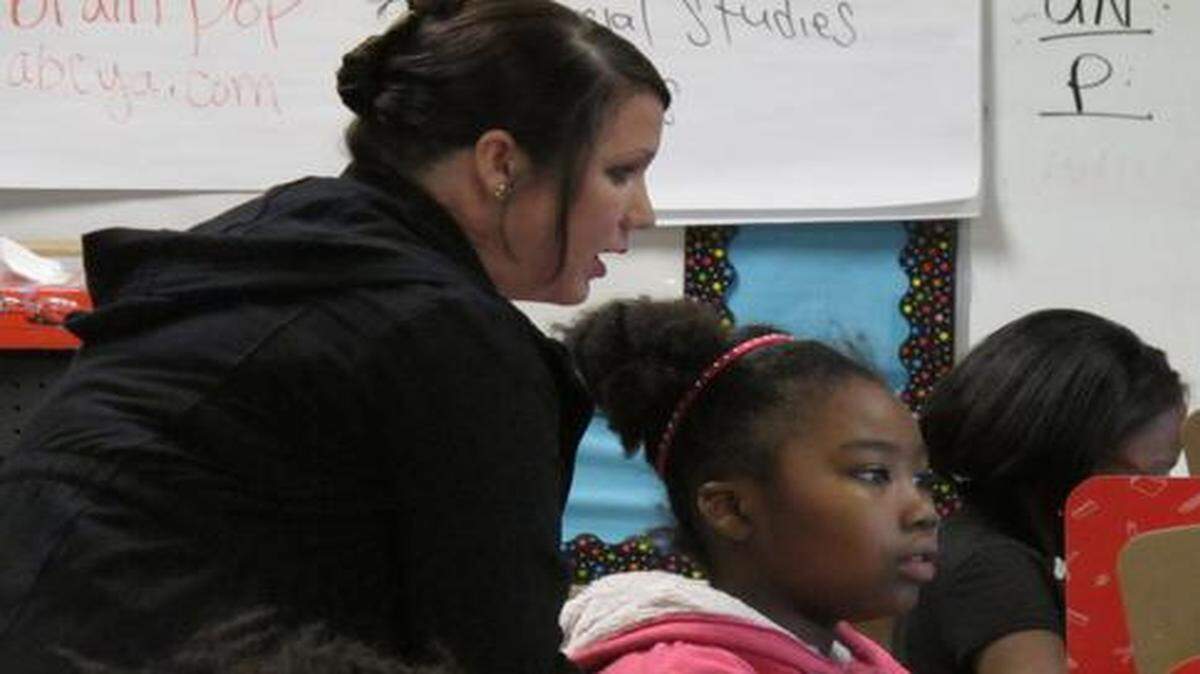
A court decision this week looks like a win for Kansas schoolchildren, but shameful behavior by politicians already has rendered the achievement somewhat hollow.
Three Shawnee District Court judges affirmed what previous rulings have found, and what researchers, educators and parents have long contended: Students in well-funded schools gain better educational outcomes, and Kansas is cheating its children and its future by inadequately financing public schools.
But that doesn’t mean more state money will begin flowing into classrooms anytime soon.
The politicians responsible for undermining education in Kansas reacted to Tuesday’s ruling with a now-familiar script: Accuse the judges of malicious intent. Call them “activist,” “political” and “antagonistic.” Get working on a legal appeal. Attempt to rewrite the school finance formula in a way that redefines what a constitutionally “adequate” education actually is.
Anything to avoid funding schools properly.
The three-judge panel, in a lengthy ruling, talked about the Kansas Legislature’s “wholesale abandonment” of an agreement finalized in 2006, when the state consented to a hefty increase in school funding over three years.
Lawmakers reneged on their commitment when the 2008 recession hit. Then in 2012 and 2013, the Legislature and Gov. Sam Brownback opted to drastically cut taxes for upper-income individuals and certain businesses instead of restoring money to schools and vital services.
Per-pupil funding hit a peak of $4,400 in 2009 and stands at $3,852 today. Adjusted for inflation, that amounts to a 9.1 percent net loss in purchasing power, the court determined. While many other states are boosting spending on education, Kansas has fallen far behind.
“Any systemic progress in the K-12 system is now ... at this particular state of constitutionally inadequate funding, wholly cannibalistic in nature,” the ruling states, meaning that efforts to improve one aspect of education, like teacher training, must plunder money from some other essential area.
Brownback responded to the new ruling by saying he believes “restructuring the school funding formula and implementing education policy reforms is critical not only to getting more money into our classrooms but also improving student achievement.”
That is the sort of wishful thinking that got Kansas into its current budget crisis.
Just as there was no good evidence that deep tax cuts would rev up the state’s economy, no reputable research suggests that the kinds of reforms Brownback favors — crippling teachers unions, cutting support staffs and sending public money to private schools — will boost student performance.
Far from being “antagonistic,” as Kansas Senate President Susan Wagle, a Wichita Republican, described the ruling, the judges took pains to avoid backing the state’s elected leaders into a corner.
They didn’t specify an amount by which the state should increase school funding, though they suggested a reasonable floor would be an additional $802 per student, or $548 million more a year. They recommended mediation between state officials and the school districts that filed the lawsuit.
“We understand the self-imposed fiscal dilemma now facing the state of Kansas,” the judges wrote, referring to the tax cuts and the state’s $700 million deficit. “Since the obligations here declared emanate from the Kansas Constitution, avoidance is not an option.”
But the governor and legislators have gotten away with avoidance thus far. Unless citizens speak up loudly and clearly on behalf of the state’s schools and students, Brownback and his allies will attempt to continue to do so.
This story was originally published December 31, 2014 at 5:14 PM with the headline "Gov. Sam Brownback and lawmakers must stop cheating Kansas schools."