
Pursue these priorities for a stronger region in 2015
The Kansas City Royals were the feel-good story of 2014 for the entire region, no doubt about it. The team took longtime fans — and plenty of new ones — on an exciting ride all the way to the seventh game of the World Series.
Outside professional baseball, though, this year wasn’t exactly a dynamic one for our community.
The metropolitan area continued to have one of the nation’s slowest job growth rates since the end of the Great Recession. Construction finally started on Kansas City’s downtown streetcar system, but voters rejected a worthwhile major expansion. The economic development border war droned on as cities on both sides of the state line financed private development with public dollars without bringing in many new employees.
On more uplifting notes, Kansas City’s murder rate fell sharply, while Cerner Corp. moved forward with plans to bring thousands of jobs to south Kansas City and developers proposed more residential units in downtown. Kansas City Public Schools made progress and received provisional accreditation from state officials.
What are the possible major success stories for the metropolitan area in 2015?
Voters will determine what happens in a few of the priorities. In others, people who aren’t afraid of ruffling some feathers will have to take bold actions to move the community forward. (The Star in this series of editorials previously discussed our hopes for the futures of Kansas City International Airport and Kemper Arena, and for even lower homicide levels in 2015.)
▪ On the all-important jobs front, even Johnson County has had sub-par years in the recent past. The Kansas Legislature needs to reverse Gov. Sam Brownback’s deep income tax cuts because they threaten the quality of basic services — including K-12 education — on that side of the state line.
It’s encouraging that groups such as the Mid-America Regional Council and the Civic Council of Greater Kansas City finally are paying more attention to the jobs crisis. A new effort called KC Rising, if carried out properly, could help grow private sector employment by focusing on how to expand existing businesses and attract new ones.
▪ The Kansas City Council elections will feature primaries in April and a general election in June. Mayor Sly James, after a solid first term, is favored to win re-election, but voters will choose at least six and possibly more new council members. The region’s most influential elected body generally has operated smoothly. New members must continue paying attention to steady improvement of sewers and water lines, already being financed with much higher user rates. Voters must choose wisely in 2015; it matters a great deal who will oversee an annual budget of $1.4 billion.
▪ Resolving the economic development border war is essential. Missouri has made its pitch with a reasonable idea to prohibit most state subsidies for businesses that merely hop the state line. Kansas-side officials are balking, even though that state really can’t afford to lose millions more in tax revenues. In 2015, sincere efforts by local leaders could lead to a sensible conclusion to this wasteful practice.
▪ On the always critical education front, voters next month will decide whether to approve higher local funding for school districts in Johnson County. In Missouri, districts with struggling scores on state tests — such as Kansas City, Hickman Mills and Raytown — must continue to find better ways to help their students succeed.
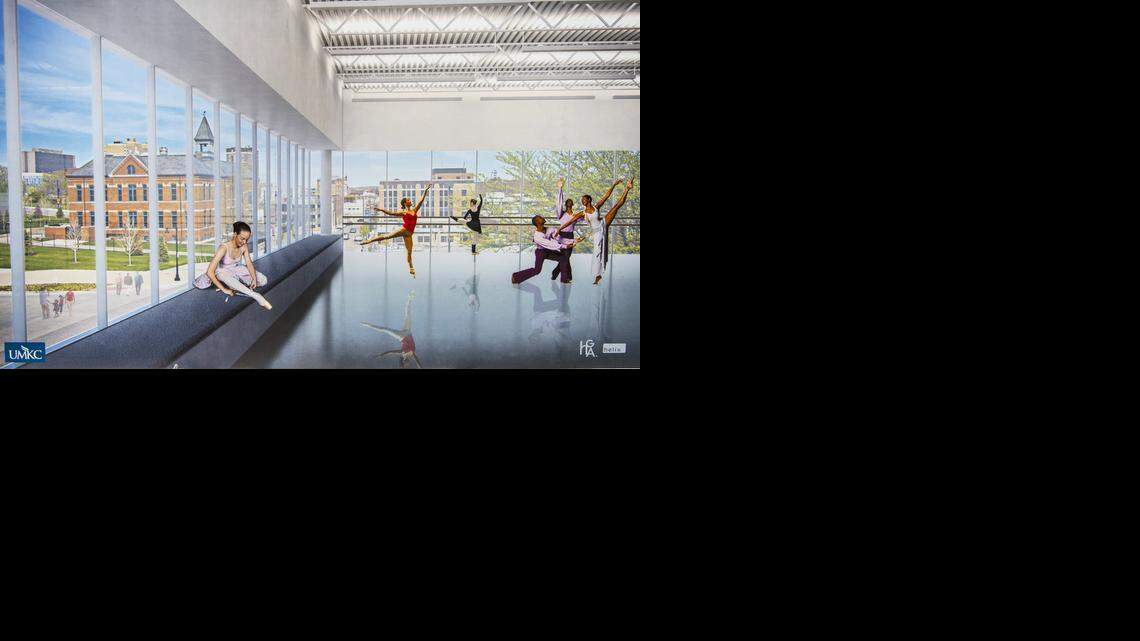
▪ The cultural arts merit much attention. Community leaders must raise enough in private funds to have a shot at convincing Missouri legislators to make public funds available for a new University of Missouri-Kansas City Conservatory of Music and Dance in downtown. In Johnson County, officials need to decide the future of the old King Louie building on Metcalf Avenue, with the intriguing hope of including new theater and parks programming space.
▪ James said he and others must support renewed interest in public and private investments on the city’s East Side. He’s right to make improving the economic prospects and living conditions for long-ignored neighborhoods a city priority.
Elected leaders, civic officials and residents must work diligently in 2015 to resolve all of these issues and others to create a better future for the region.
This is the last of a five-part series on major issues facing the region that will ignore the calendar year’s end and demand attention again in 2015.
This story was originally published December 29, 2014 at 3:13 PM with the headline "Pursue these priorities for a stronger region in 2015."