
Public airing of a Senate committee’s disturbing smackdown of the CIA is chilling but necessary
Where does one begin? The evidence that damns the Central Intelligence Agency pops up everywhere in the much anticipated Senate Intelligence Committee report that blasted out of the nation’s Capitol on Tuesday.
A dozen years after the CIA shakily began a concerted effort to subject suspected terrorists to “enhanced interrogation techniques” — many call this torture — in secret offshore locations, the details of its often horrendous and reckless activities are now receiving a welcome, though disturbing, public airing.
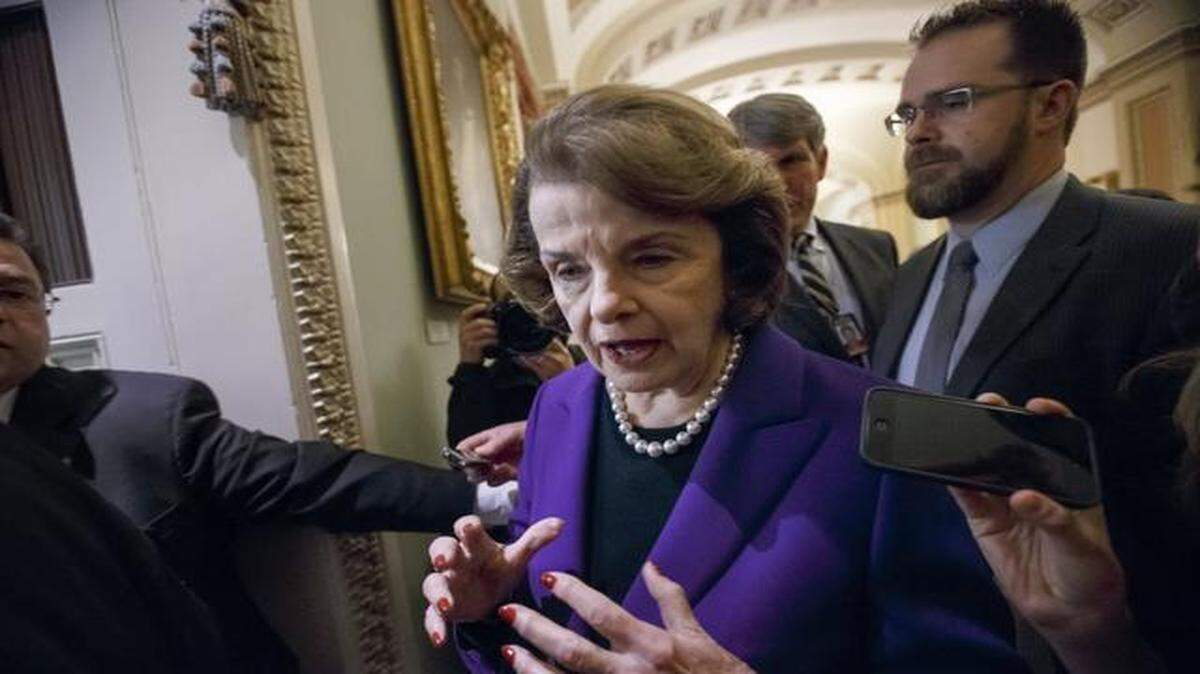
The report, represented Tuesday by an unclassified but redacted 500-page summary, was five years in the making, and its impending release set off a debate over whether the details would endanger U.S. personnel overseas. Yet, said Sen. Dianne Feinstein, the California Democrat who heads the committee, “Releasing this report is an important step to restoring our values and showing the world that we are a just society.”
As expected, the CIA and its apologists refute some of the report’s most serious conclusions, including the extent of the agency’s unauthorized and illegal interrogation practices, the value of information those practices extracted from detainees and the veracity of the agency’s communications with its overseers.
The report states the CIA repeatedly lied to and withheld information from the White House and other government officials. It cited an internal CIA email from July 2003, which noted that “the WH (White House) is extremely concerned (Secretary of State Colin) Powell would blow his stack if he were to be briefed on what’s been going on.”
The report details a chilling pattern of treatment directed at high-level operatives of al-Qaida and other captured terrorists in the wake of the 9/11 attacks on the U.S. The American public for years has heard much about “waterboarding,” the near-drowning of prisoners. But there’s much more.
“The interrogations of CIA detainees were brutal and far worse than the CIA represented to policymakers and others,” the report concluded.
Among the details:
▪ “Sleep deprivation involved keeping detainees awake for up to 180 hours, usually standing or in stress positions, at times with their hands shackled above their heads.”
▪ “At least five CIA detainees were subjected to ‘rectal rehydration’ or rectal feeding without documented medical necessity.”
▪ “Conditions at CIA detention sites were poor,” and in one facility, “Lack of heat ... likely contributed to the death of a detainee.”
According to a McClatchy account of the report, President George W. Bush signed a secret order authorizing the detention program a week after the Sept. 11, 2001, terrorist attacks, but he was not filled in on the interrogation techniques until 2006 — “although someone in the White House canceled a CIA briefing that was planned for him in 2002.”
Public dissection of the report on Tuesday was swift, and the airing of our dirty laundry emphasized the extraordinary context that Americans deserve to know how this country operates in the world and what is being done in the name of our democracy and freedom.
Sen. John McCain of Arizona broke with his fellow Republicans by applauding the report’s release.
“The truth is sometimes a hard pill to swallow,” McCain said. “The American people are entitled to it nonetheless.”
And, as Vice President Joe Biden told a Washington forum on Tuesday, “Name me another country that’s prepared to stand and say, ‘This was a mistake, we should not have done what we done and we will not do it again.’”
All Americans should hope that on that last point Biden is correct.
This story was originally published December 9, 2014 at 5:17 PM.