
Pluses of the Affordable Care Act mount, but so do attacks
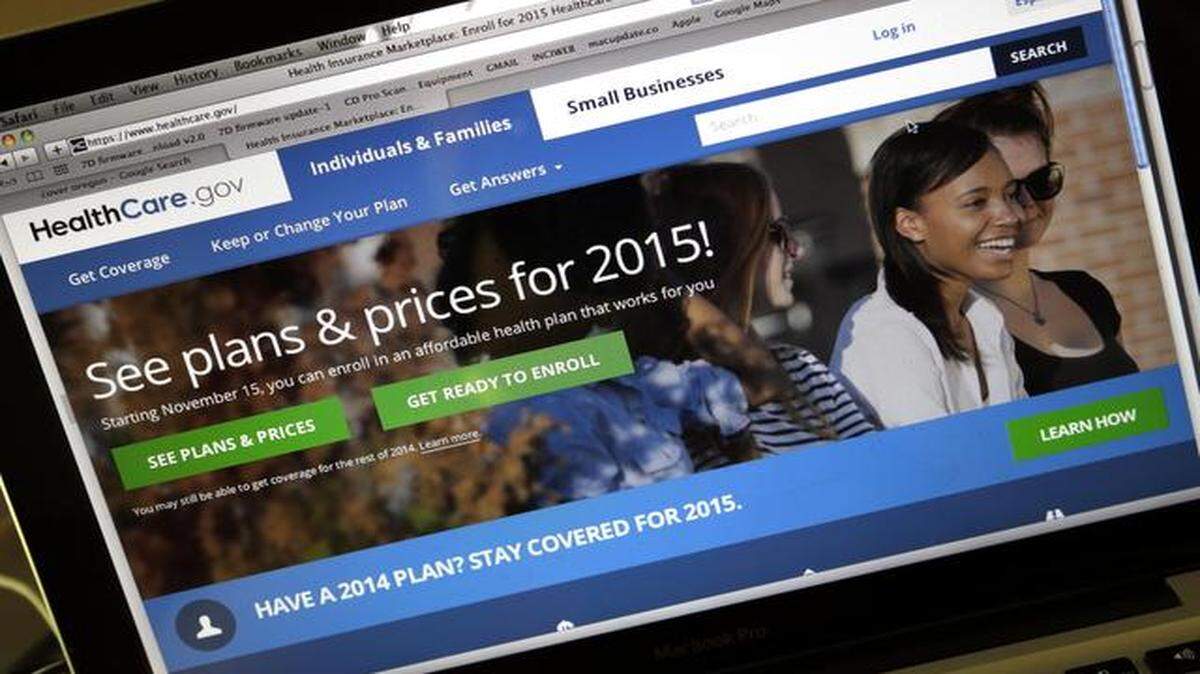
The Affordable Care Act has enabled about 20 million Americans to gain health insurance. It established incentives that have improved patient outcomes and helped slow inflation in health-care costs. Analysts say it is expected to cost the federal government less than expected and reduce budget deficits.
But as enrollment in the health care marketplaces gets started for the second year, President Barack Obama’s signature health-care act remains under attack on multiple fronts from people who have yet to present a realistic plan for making America’s health-care system fair and efficient.
The good news is that the rate of uninsured adults, 13.4 percent, is the lowest it has been since Gallup began tracking the numbers in 2008. Newly insured Americans are gaining access to checkups, procedures and medications. People no longer have to worry about being rejected for health insurance because they are sick.
Despite an uproar when thousands of Americans had to give up cut-rate, inferior plans, six of 10 customers who switched insurance policies last year ended up paying less or the same. New carriers are entering the exchanges this year, presenting consumers with more plans and more choices. People browsing HealthCare.gov in the Kansas City area will see that Humana Inc. has joined Blue Cross and Blue Shield of Kansas City and Coventry Health Care.
Up until now, the biggest challenge to the goal of near-universal health care coverage has been the failure of 23 states, including Missouri and Kansas, to expand Medicaid eligibility to the limits called for in the health-care law. A U.S. Supreme Court challenge made compliance optional.
That barrier has left millions of low-income, working Americans in a coverage gap, unable to qualify for Medicaid or affordable policies in the marketplaces. That includes 300,000 persons in Missouri and 150,000 in Kansas. Besides being mean-spirited, the refusal to accept federal money to expand Medicaid limits is harming hospitals and depriving states of economic benefits.
Recent developments could spell more trouble for the Affordable Care Act and the millions of Americans who are benefiting from it.
Having gained the upper hand in the Senate in the Nov. 4 election, Republicans are vowing to “repeal and replace” the health-care law. Obama won’t agree to a repeal, but GOP dominance in both houses of Congress likely means a sustained attack on the law’s many provisions. Newly released videos of stupid remarks by well-paid expert Jonathan Gruber (he said voters were stupid) are the latest fuel on the fire.
A serious threat comes from the Supreme Court’s recent decision to hear a case that amounts to a right-wing attack on the law.
Adversaries spotted a wording problem in the section of the voluminous act pertaining to subsidies in the insurance exchanges. They are using it to threaten the structure of the law. The court’s startling decision to hear the case suggests some of the justices may be willing to cooperate in that mission.
This is a good opportunity to reflect on the financial and emotional security that comes from being able to access affordable health care.
Opponents want to take that right away from millions of Americans. Now is the time not only to enroll in the Affordable Care Act marketplaces but to speak up for the law.
This story was originally published November 16, 2014 at 9:00 AM with the headline "Pluses of the Affordable Care Act mount, but so do attacks."