
Americans need to see the details of the Trans-Pacific trade deal
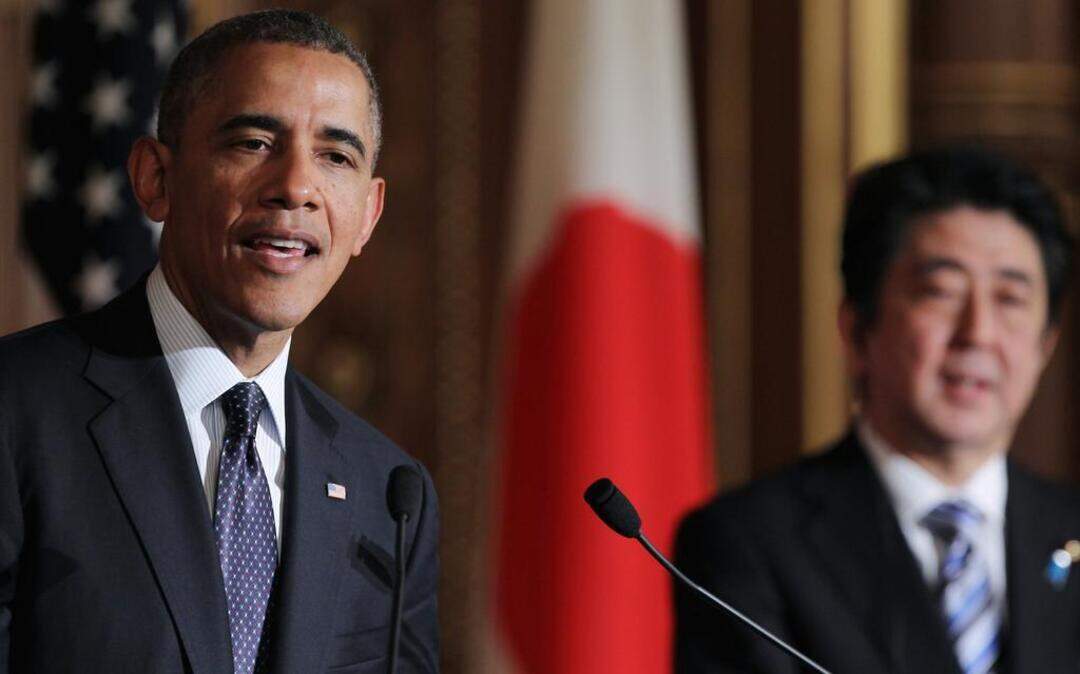
The Obama administration is negotiating a huge international trade deal in secret. This is neither tea party fantasy nor conspiracy theory. It is the Trans-Pacific Partnership. Before the nation signs on, the public needs to see what is in it.
The administration has refused to disclose what is in the deal beyond broad-brush descriptions. The details matter. As the saying goes, never sign on the dotted line before you’ve read the fine print.
The White House is so intent on keeping the public in the dark that it wants Congress to give it “fast track” approval. It wants lawmakers to agree in advance to hold an up-or-down vote on the agreement without any amendments. It got an agreement with congressional leaders last week to do just that.
America’s democracy does not thrive in the dark. This trade deal might hold reasonable compromises and tradeoffs that on balance would benefit the nation. Or it might create loopholes that send jobs overseas, cost consumers more and undermine environmental protections.
Only the lucky few privy to the negotiations can offer an informed analysis, but they have agendas that skew their views. The partnership is being written with corporate and industry representatives at the table but not advocates for consumers, workers and the environment.
Leaked draft sections hint at the direction the deal is heading, and there is plenty of cause for skepticism.
For example, one leaked section would create an “investor-state dispute settlement” process that exists in a quasi-judicial space outside national courts. International investors and corporations could use it to sue against laws they don’t like; individuals and advocates could not.
Under the investor-state clause, an international company could challenge U.S. laws that negatively affect its earnings. If Missouri outlawed a particularly nasty chemical from children’s toys, the maker of that chemical could challenge it in the investor-state clause instead of under state and federal law.
The basic idea underlying the investor-state dispute settlement has some merit. One can make a case for handling international trade disputes outside any one country’s jurisdiction. But according to the leaked documents, the investor-state clause would have bias built in. Corporate lawyers would staff it. The same lawyers who represent industry one day would render verdicts the next. That incestuous system would serve corporate, not public, interests.
Other leaked sections raise serious red flags about intellectual property and fair use.
It is one thing to play your cards close to your chest during the early stages of a negotiation. Before the Trans-Pacific Partnership is final, however, the American people and Congress should have a chance to weigh in so that changes can be made if necessary. If, as has been suggested, secrecy is out of fear that the public would not like what is in the agreement, then perhaps the administration should reconsider whether this is a good agreement in the first place.
Congress holds the winning hand in this debate. It can demand public review of the agreement a condition of fast-track authority. It could also not grant fast track at all, thereby ensuring the agreement is public before America has to take it or leave it.
This story was originally published April 19, 2015 at 10:00 AM with the headline "Americans need to see the details of the Trans-Pacific trade deal."