
Area is rolling along toward becoming a more bicycle-friendly community
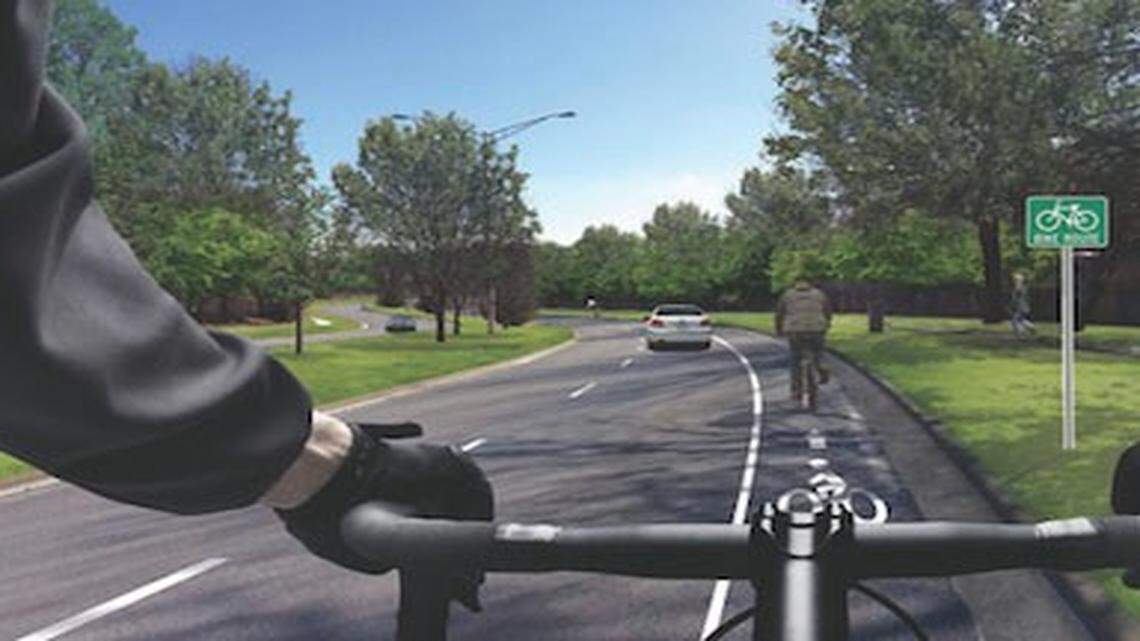
Overland Park has set a high bar that other cities should try to meet or exceed in expanding bicycle networks metrowide.
The leaders of the progressive suburb this week approved an ambitious but achievable plan to add more than 260 miles of bike-friendly lanes over the next few decades.
In addition, many more signs will be posted to alert motorists to the bicyclists and to the fact that everyone needs to share the road. Yes, that especially includes motorists throughout our car-centric region.
This is an excellent way to make bicycling safer which, in turn, will encourage more bikers to feel comfortable using city streets.
“I think it will be money well spent and it will improve the image of Overland Park,” said council member Paul Lyons, summing up one strong reason for moving ahead.
A few critics have had misplaced concerns about the potential $28 million cost of Overland Park’s entire proposal. However, about 200 miles can be finished in the next 10 or so years for only $3 million, most as the city resurfaces its streets and bike lanes can be clearly marked with paint.
Besides, this is Johnson County, where hundreds upon hundreds of millions of dollars have been spent on creating wider highways and streets that stretch for miles in every direction. Funneling a comparative pittance toward bike-friendly amenities won’t break the bank.
Overland Park’s plan outlines solid ways to serve the growing number of residents, young and old, who ride bikes to work or stores and ride for enjoyment and exercise.
The city’s proposal also gets another priority right, calling for the connection of bikeways to one another. That will help encourage more users because they will be able to get to more places in the city on safer routes.
The 260-plus miles of new bike-friendly routes will come on top of existing trails in Overland Park.
The city did its due diligence. Officials looked into the concern that narrowing some thoroughfare lanes to allow for bike lanes would endanger bicyclists because of fast-traveling motorists who also might be on their cellphones. The narrower driving lanes will not put “bicyclists in harm’s way,” as one consultant noted.
The actions in Overland Park are complemented by the progress in Kansas City to extend and connect its growing bicycle network, especially downtown.
The BikeKC Downtown Loop and Neighborhood Connector hopes to offer 13 miles of dedicated bike lanes by the end of the year, if the construction schedule goes as planned. That includes the so-called road diet for Grand Boulevard, in which the city will reduce the number of traffic lanes on the boulevard from the River Market to 20th Street, while adding dedicated bike lanes going north and south.
The Kansas City area is becoming a more bicycle-friendly community. That will help attract families and benefit their health in the future. And it will improve the area’s image as a place that values transportation options beyond the automobile.
This story was originally published April 16, 2015 at 5:08 PM with the headline "Area is rolling along toward becoming a more bicycle-friendly community."