
Reckless gun measures threaten public safety in Missouri and Kansas
Missouri and Kansas have spent the last two years passing laws that recklessly expand access to firearms without regard to public safety.
For Missouri, the alarming consequences of that overreach are becoming clear. Kansas, which is considering another radical gun bill this session, should take heed.
A circuit court judge in St. Louis last week ruled that a convicted felon had the right to keep a loaded pistol in his vehicle, thanks to a constitutional amendment that Missouri lawmakers proposed and voters approved in 2014. If other courts reach the same interpretation, the state will lose a crucial law enforcement tool.
The amendment was drafted by lawmakers as yet another gesture to affirm to voters — and gun manufacturers — that they will tolerate no restrictions on the right of citizens to bear arms.
The amendment makes two exceptions: The state can limit the rights of convicted “violent” felons or those decreed by a court to be a danger because of a mental illness.
Enter Raymond Robinson, a St. Louis man with a string of arrests and a felony conviction for unlawful use of a weapon. Police arrested him on July 28 and found the gun in his car.
Before now, that discovery would be enough to send Robinson back to prison. Missouri, like other states, prohibits people with felony convictions from possessing guns. But Judge Robert Dierker ruled the new amendment trumps that law. The language singles out “violent” felons and Robinson has not been convicted of a violent crime, Dierker said.
Though it is limited to one case, the ruling understandably has dismayed prosecutors and some police officials, who had predicted this outcome when they urged the legislature not to put the measure on the ballot.
“If prosecutors lose the ability to prosecute felons in possession of firearms, more gang members, drug dealers and domestic abusers — the persons responsible for most of the shootings in our communities — will be allowed to carry guns,” Jackson County Prosecutor Jean Peters Baker said in a statement.
It is mindboggling that even this Missouri legislature would come up with such flawed language. More incredibly, the sponsor, Sen. Kurt Schaefer of Columbia, is a lawyer seeking the Republican nomination for attorney general.
Missouri lawmakers must figure out how to fix the problem they’ve created. Giving felons free rein to possess firearms in Missouri is untenable.
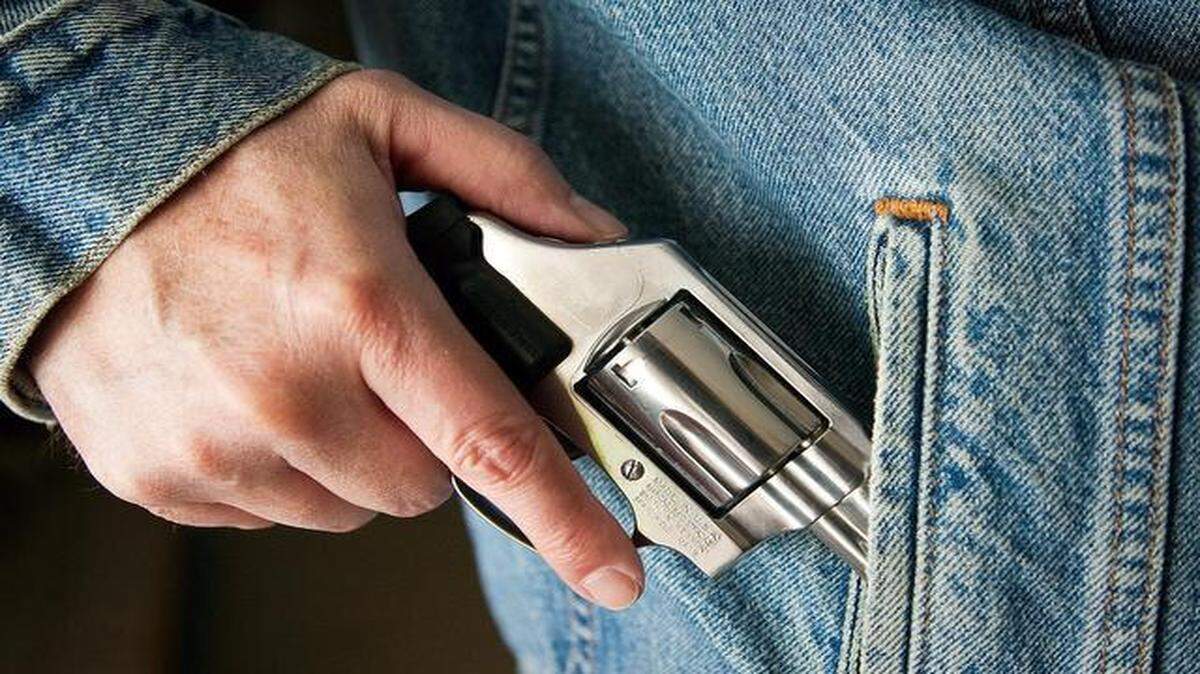
Kansas is well on its way to passing its own version of a reckless gun law. The Senate has approved a bill that would enable Kansans to carry concealed firearms without acquiring permits or training.
The very idea is a breathtaking violation of the state’s common-sense tradition. Only a handful of other states permit such an unsafe practice.
If the bill becomes law, Kansans could carry a firearm in their purses and pockets without applying at a sheriff’s department or taking the eight hours of training now required. The training covers gun safety, how firearms work, alternative measures of self-defense and the boundaries of using deadly force under Kansas law.
The proposed change is wildly irresponsible.
The state of Kansas currently requires residents to pass a test and obtain a license in order to drive because of the risks to oneself and others. Certainly it should have similar expectations for citizens who wish to carry a deadly weapon.
Like Missouri’s new constitutional amendment, the fast-moving Kansas bill would vastly increase the chances of dangerous persons carrying firearms. The Legislature should avoid such a huge mistake while it still has time.
This story was originally published March 5, 2015 at 6:01 PM with the headline "Reckless gun measures threaten public safety in Missouri and Kansas."