
Counter shooting of unarmed teen Michael Brown with facts, not rage
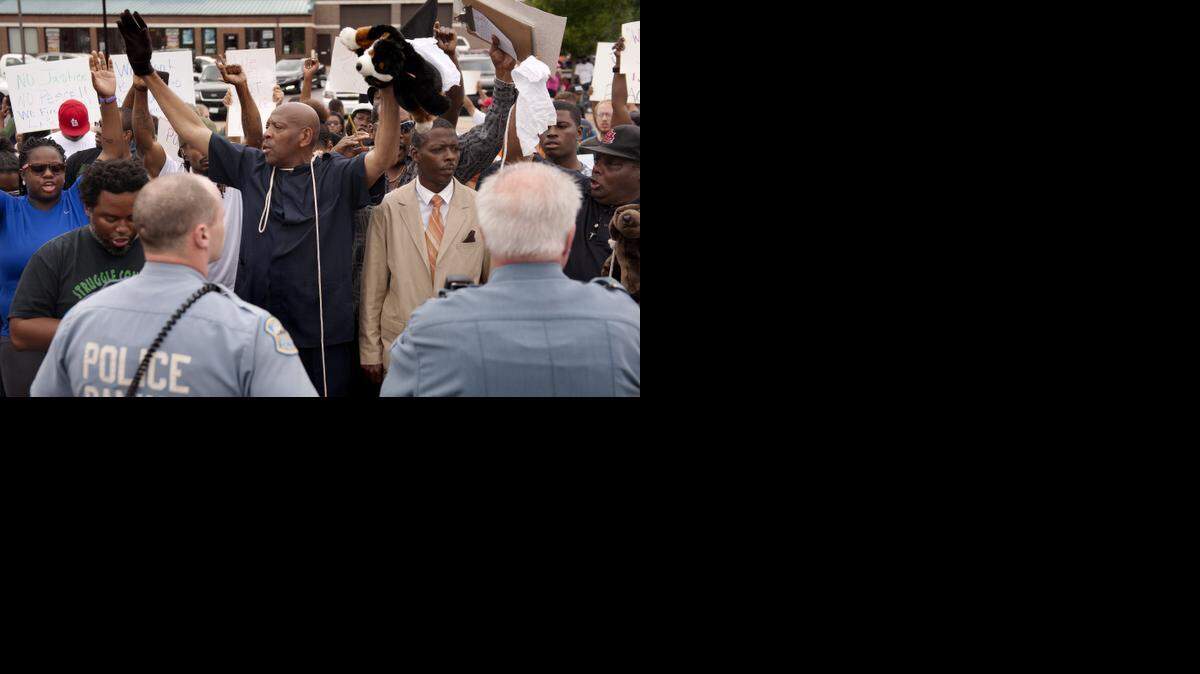
Michael Brown, 18, was unarmed when a police officer fatally shot him around noon on Saturday in Ferguson, a close-in suburb of St. Louis. Some witnesses said he had his hands in the air.
By Sunday night, the small city had become a repository for grief, rage and resentment over what is undeniably a stain on modern-day America — the targeting of young black men by law enforcement and its pretenders.
Too little is known at this point of the circumstances of Brown’s death to draw many conclusions. Different scenarios have been put forth by the Ferguson police and a young man who was accompanying Brown. Both seem improbable on the surface, but much remains unclear.
The St. Louis County police and the FBI have initiated investigations into the shooting, independent of each other. That’s the right way to go.
But emotions are running far out in front of fact finding, and on Sunday night the situation in Ferguson erupted into looting and violence. Remembrances of Brown’s life and peaceful protests over the way he died are perfectly in order. Unfortunately, some people used the occasion for a display of thuggery. No one was killed or badly hurt, thankfully, but damage to properties and vehicles was fairly extensive.
Brown’s family was quick to condemn the violence, correctly stating that it compounded the tragedy of their son’s death.
What’s needed is a complete investigation, not only into what prompted the shooting of an unarmed teenager who’d been walking down the street with a friend, but into the culture of the Ferguson Police Department and its relationship with its community.
Although at least two-thirds of Ferguson’s 21,000 residents are black, its police force is mostly white. A 2013 report from the Missouri attorney general’s office showed that police were twice as likely to stop and arrest black drivers as they were white drivers, but they were less likely to find black drivers in possession of contraband. Those circumstances are a likely foundation for tensions between police and residents.
The trouble in Ferguson should prompt police and city leaders in Kansas City and elsewhere to look inward. Police departments must constantly reinforce for officers the alternatives to lethal force. And nearly every city needs to work on building mutual respect between police and citizens — a task that is never complete.
This story was originally published August 11, 2014 at 4:59 PM with the headline "Counter shooting of unarmed teen Michael Brown with facts, not rage."