
Rose Brooks Center brings health care to domestic violence victims in KC
Survivors of domestic violence often have lived from one emergency room visit to the next, seeking quick treatment of broken noses, internal bleeding and other injuries.
But those are short-term fixes. Few of them realize the impact that abuse can have on their long-term health.
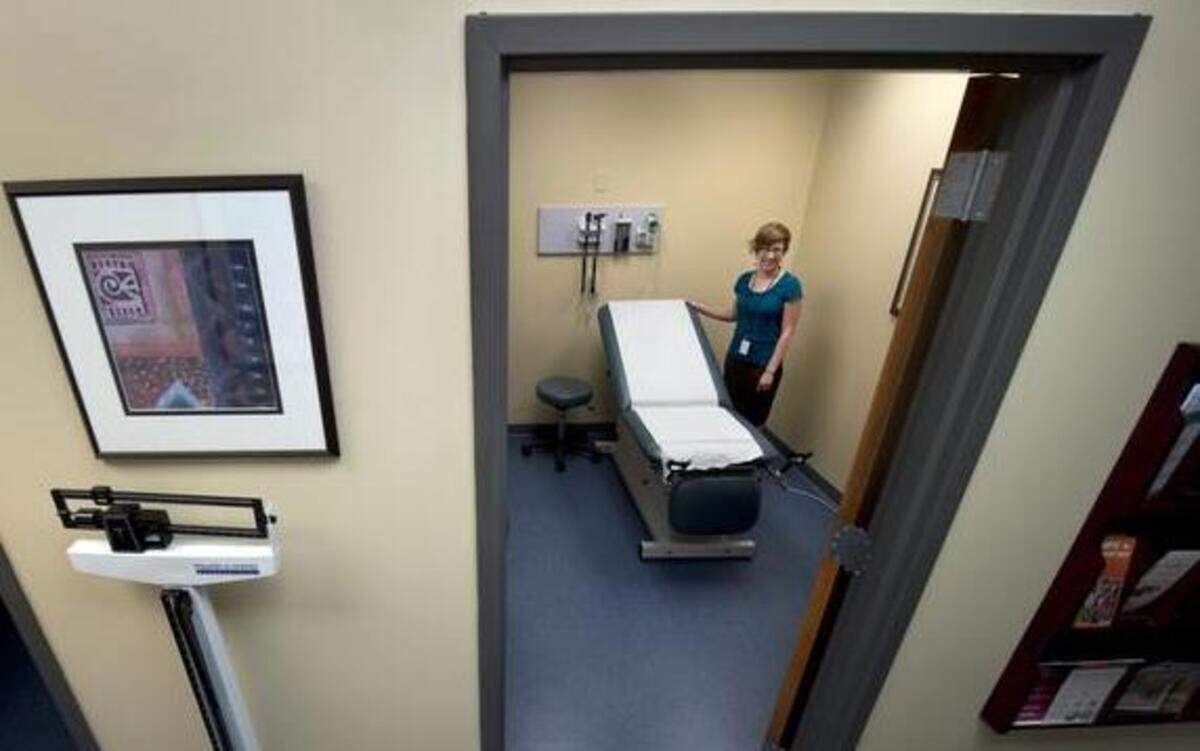
Now the Rose Brooks Center in Kansas City has opened an on-site health clinic with the hope of making health care a priority in survivors’ lives. The first health care clinic located within the walls of a domestic violence center in Kansas City, it will celebrate its official opening Thursday afternoon.
The SafeCARE Health Clinic is part of a nationwide movement to make health care easier to reach for survivors of domestic violence.
The Kansas City clinic will provide the nearly 100 women and children living at the center with a space for basic checkups, sexually transmitted disease screenings and school physicals, said Kate Mallula, health services coordinator for the center. The services are free and provided by physicians, nurses and hospital staff donating their time.
“We’ve had women walk in and say excitedly that it’s a real clinic,” Mallula said. “It’s meaningful to residents to have a safe place to get care and plan for their future health. Many have never had access to that basic need before.”
The health care providers, from Goppert-Trinity Family Care, will visit the clinic twice a month, Mallula said. Some residents have home nurses, who will also be able to use the space when they visit their patients, she said.
Goppert-Trinity Family Care has been partnering with the center to bring health services to its residents for several years, but it often didn’t have adequate space until the clinic was built, said Jennifer Kelley, a family practitioner at Goppert-Trinity who has helped with the Rose Brooks partnership.
“We’re able to offer more services now and privacy,” Kelley said. “I view us as advocates for their health, so they in turn can take care of themselves and their families.”
Often, Mallula said, she will see survivors whose abusers prevented their access to medical care or doctors’ visits. A lack of insurance, a lack of transportation and a fear of abusers discovering where survivors are can also be barriers that keep them from receiving health care.
While in a physically violent relationship, a Rose Brooks resident noticed a lump in her breast. She scheduled multiple doctor appointments, but each time her abuser would beat her and prevent her from going. After leaving that relationship, she came to Rose Brooks and asked Goppert-Trinity health care providers about the lump.
“Because she came into the clinic, she found out she has breast cancer,” Mallula said. “She was able to start treatment in time, but she may have never taken that step without the easy access to health care we are able to provide here.”
Many women at the center don’t know much about health care, said Tonya “Tutti” Bailey, public health nurse supervisor for the Kansas City Health Department.
“It’s things like not knowing how to determine if you have high blood pressure, or that a sore throat could be an STD and not just allergies,” said Bailey, who is also on the health advisory board for the center. “This space will be used to educate women about their health, and when a women is learning and healing, she is empowered.”
The two-room clinic, funded by a combination of grant money and donations, helps to eliminate barriers so survivors can heal, Rose Brooks CEO Susan Miller said.
“There are incredibly damaging long-term health effects from domestic violence that the health community has started to realize and work against,” Miller said. “By not attending to physical health, survivors will be unable to fully move on with their lives.”
Women who have experienced domestic violence are 80 percent more likely to have a stroke, 70 percent more likely to have heart disease and 60 percent more likely to have asthma, according to the Centers for Disease Control and Prevention.
The center’s clinic reflects a national focus on health education and provision for survivors, said Virginia Duplessis, senior health program manager at Futures Without Violence, a nonprofit focusing on ending domestic and sexual violence.
“Within the past five years, domestic violence centers around the country have focused on increasing access to health care providers,” Duplessis said. “Being able to meet these women and children where they are is of huge value. It’s the way of the future for (domestic violence) centers.”
To reach Caroline Bauman, call 816-234-4449 or send email to cbauman@kcstar.com.
This story was originally published June 18, 2014 at 5:28 PM with the headline "Rose Brooks Center brings health care to domestic violence victims in KC."