
Missouri lawmakers face renewed calls to change loose ethics laws
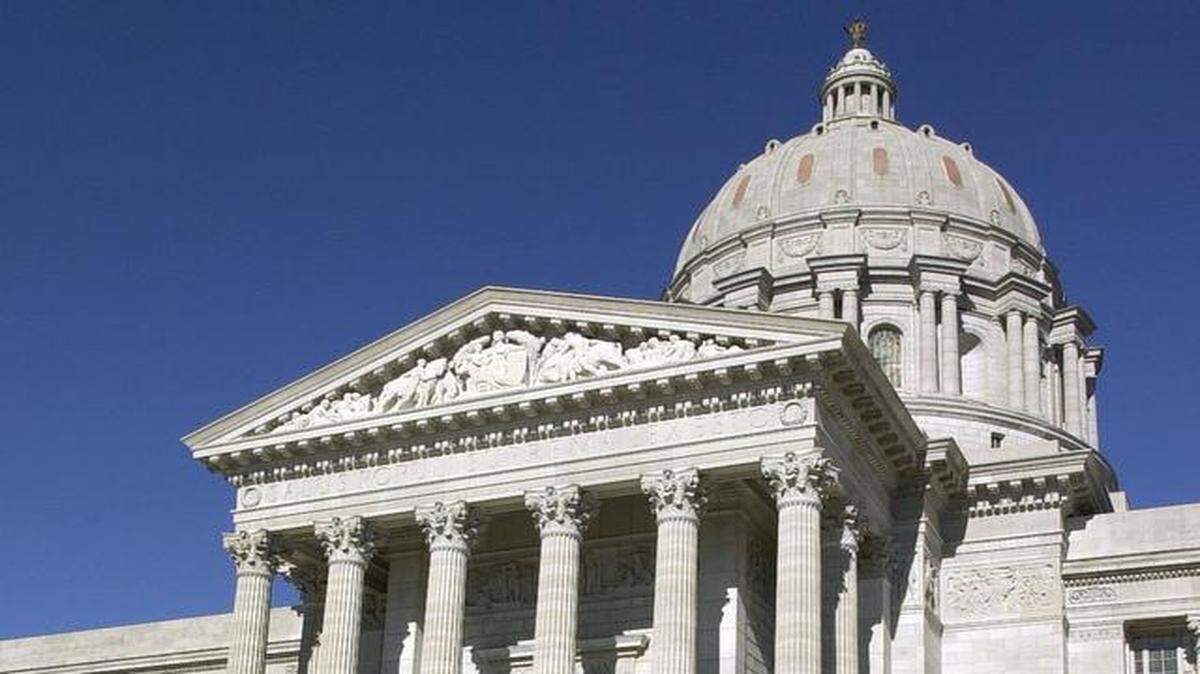
Missouri’s campaign and legislative ethics laws are some of the loosest in the nation — at least for now.
State lawmakers can take any gift they want from lobbyists, including meals, travel and tickets to sporting events or concerts — all without any limits.
They can accept campaign donations of any size, making six-figure donations a regular occurrence in state politics.
And legislative staffers can work as paid political consultants during the legislative session while their bosses can become professional lobbyists the moment they leave office.
Missouri is the only state in the nation with that assortment of laws. For years some lawmakers have sought to change that, and each time those efforts have run into a wall of legislative opposition.
Some think the 2015 legislative session could be different, with several longtime opponents of ethics reform out of office and legislative leaders voicing support for tackling the issue.
But advocates aren’t taking any chances. Two years before the next statewide election, an ethics reform ballot measure has already been filed with the secretary of state’s office — an insurance policy of sorts in case the issue once again languishes in the statehouse.
“The legislature and governor can put a package together to take their best shot,” said Brad Ketcher, a veteran Democratic strategist who helped craft the ethics initiative petition. “If there are folks of goodwill in the legislature ready to take this on, more power to them. We can press the legislature, and if they fail, we have a year to collect signatures.”
The ballot measure would go much further than anything the Republican supermajorities in the legislature would probably be able to pass.
It would enact strict campaign contribution restrictions on legislators, but not on statewide candidates. It would ban any lobbyist gift of more than $5. Lawmakers would have to wait two years after leaving office before becoming a lobbyist, and staff members would be barred from working as political consultants.
It also stipulates that all legislative records are subject to the state’s open-records laws.
“We need to modernize our ethics laws in this state,” Ketcher said.
Rep. Noel Torpey, an Independence Republican, is leading the charge on the issue for his party in the Missouri House. He said he has spoken with GOP leaders and believes they are on board with some level of ethics reform legislation.
“There is really no reason for us not to get some ethics reform done,” he said.
He hopes to file multiple bills pertaining to various pieces of the state’s campaign and ethics laws. His focus, he said, will be on improving transparency in the system and avoiding areas of disagreement that have sunk previous efforts.
“In the past we’ve gone for a catch-all bill that tries to cover everything,” he said. “A poison pill gets in there and ultimately kills the whole thing. I really want to avoid that this year.”
The most poisonous pill of all, Torpey said, would be campaign contribution limits.
“If a bill includes contribution limits, it’s dead,” he said. “That’s just a fact. And we have to be mindful of that if we want to get anything done.”
Senate Majority Leader Ron Richard, a Joplin Republican, told The Joplin Globe that he is looking at pushing a bill that would curb lobbyist gifts and implement a cooling-off period for lawmakers-turned-lobbyists.
It would not include campaign contribution limits, he said, and would not cap lobbyist gifts.
Democrats have long complained that any bill that doesn’t include campaign contribution limits can’t be considered true reform. The fear, they say, is that Republicans will pass a weaker bill and declare the issue resolved and all momentum on the issue will die.
The initiative petition, Ketcher said, could serve as motivation for lawmakers to craft a stronger bill.
“There’s plenty of history where the fear of a ballot measure pushed lawmakers to take action when they otherwise wouldn’t,” he said.
This year, for example, a Democratic-backed plan creating a six-week early voting period never collected enough signatures to make it onto the ballot, but it inspired a legislative response by Republicans. They crafted their own proposal limiting early voting to just six days.
Voters overwhelmingly rejected that measure earlier this month.
Back in 1994, lawmakers passed campaign contribution limits to get out ahead of a much more restrictive initiative petition.
Those contribution limits were repealed by lawmakers in 2008.
Torpey knows ethics legislation is going to be an uphill battle. But the public believes the system is broken, he said, and it’s up to lawmakers to fix it.
“We have to instill more faith in the system,” he said. “A ticket to a ballgame isn’t going to buy a vote. But the general public may think it does. Maybe that negative perception is enough reason to get us to do something like a cap.”
To reach Jason Hancock, call 573-634-3565 or send email to jhancock@kcstar.com.
This story was originally published November 26, 2014 at 3:35 PM with the headline "Missouri lawmakers face renewed calls to change loose ethics laws."