
Kansas City Ballet’s ‘Giselle’ is an enchanting classical work
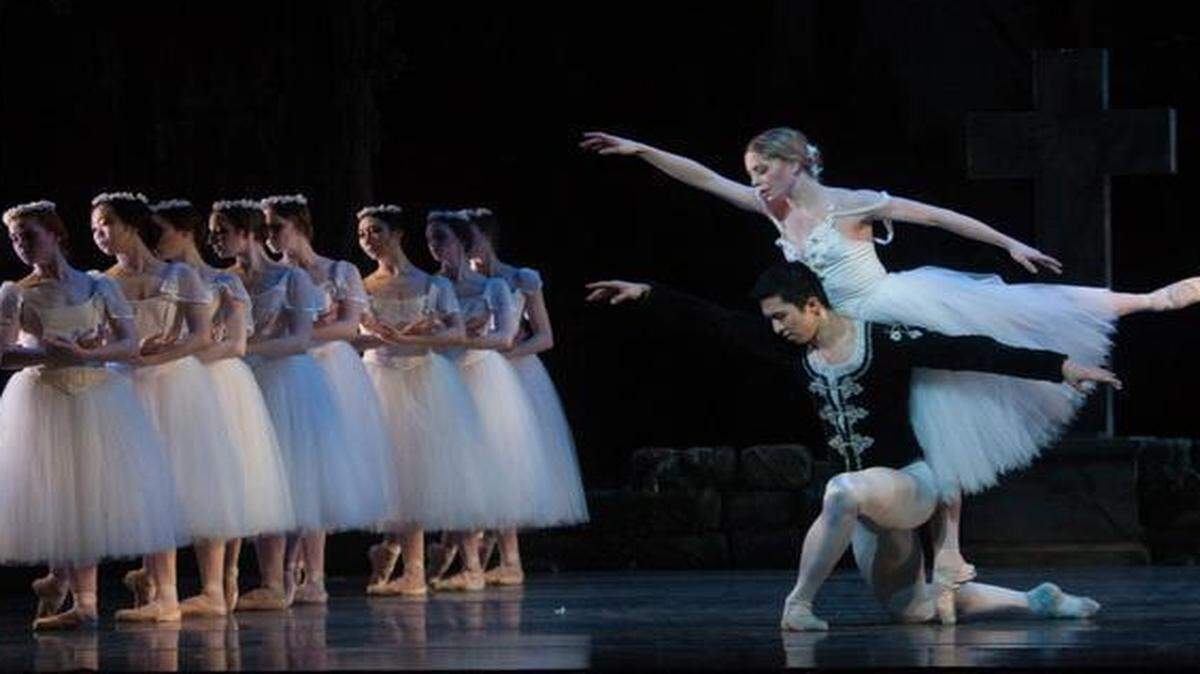
Kansas City Ballet’s traditional presentation of “Giselle” demonstrated why classics remain classics. Splendid dance, memorable music and engaging storytelling combined for a thoughtful display of love, heartbreak and redemption.
Artistic director Devon Carney based his version in the tradition of Marius Petipa. Despite the work’s outdated, overly romanticized plot, Friday’s performance was a convincing rendition, and it earned whole-hearted audience approval.
Before the performance in the Muriel Kauffman Theatre, Carney gave the audience a brief lesson in pantomime, what he described as “the language of the evening,” and aptly so. Too often this element is treated as secondary, just a series of stylized moves. Its purpose in “Giselle” was paramount and the performers’ commitment to its use was evident.
Adolphe Adam’s score delineated the plot and accentuated the characters with nuanced, morphing themes. The Kansas City Symphony, conducted by Ramona Pansegrau, gave a dramatic and responsive reading.
Molly Wagner’s Giselle (danced by Tempe Ostergren in alternate performances) was enchanted: sweet and lively at the outset, tragic and bewildered during the mad scene, and ethereal, yet resolved, as she defended her love. Anguish was expressed through her limbs, and beautifully so.
Liang Fu’s Albrecht seemed eager, not ill intended, beguiled by Giselle’s beauty. His solo sequences were energetic.
Their flirtatious exchanges garnered laughter, while their later embraces brought sighs. A powerful performer, Fu’s partnering accentuated Giselle’s separation from corporeality with effortless lifts.
Logan Pachciarz played Hilarion. His acting came on strong, projected clearly with natural gestures and springy leaps.
Pamela Carney, as Giselle’s mother in a wholly acted role, was the most organic. But the most telling attribute of convincing pantomime was the well-coached ensemble’s reaction to events, rippling gestural effects that added nuance to the scene, as when Albrecht’s identity was revealed or when Giselle swung Albrecht’s sword in desperation at the feet of the crowd.
In Act II, the Wilis did not elicit much menace at the beginning, but eventually wrought a vengeful fury. Angelina Sansone was the queen of the Wilis with an unyielding demeanor. In their final tableau, the Wilis seemed to shimmer en pointe and fade into the mist.
The work’s change from rustic charm to eerie mood was emphasized by Simon Pastukh’s scenic design of thatched cottages and gloomy wood, Trad A Burns’ layered, shifting lighting design, and a variety of dirndl-inspired dresses, opulent costumes for the courtiers, and the traditional white-veiled, tulle-skirted garments for the Wilis from costume designer David Heuvel.
Performances of “Giselle” continue through March 22.
This story was originally published March 15, 2015 at 6:00 AM with the headline "Kansas City Ballet’s ‘Giselle’ is an enchanting classical work."