
In ‘The Lost Child,’ Caryl Phillips reweaves ‘Wuthering Heights’ with a more modern dark thread
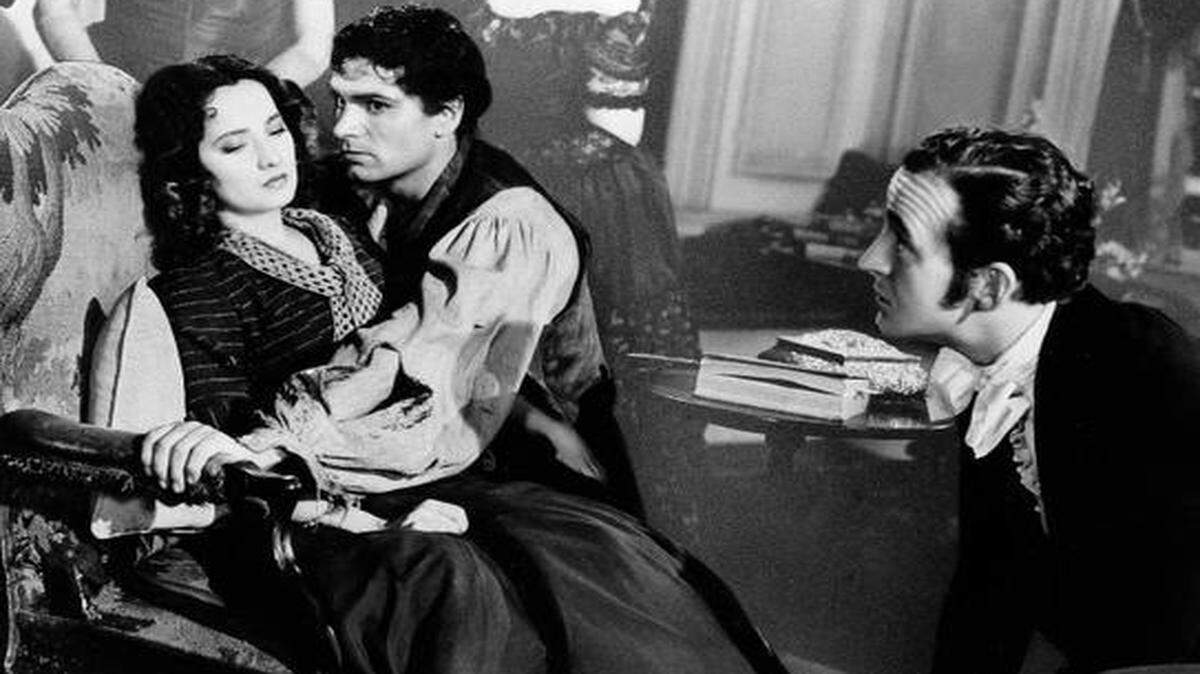
Caryl Phillips hears echoes of Emily Bronte’s melodramatic “Wuthering Heights” in his latest novel, set, like Bronte’s, in the English moors.
His story, though, is not about the doomed, obsessive love between the wealthy Catherine Earnshaw and the orphan Heathcliff, but instead recalls other of Bronte’s themes: disloyalty, emotional brutality and despair.
The tormented family of “The Lost Child” — Monica Johnson and her children Ben and Tommy — are oppressed by poverty; Monica teeters on the edge of sanity; her sons yearn for a sense of home.
It is the 1950s, and they have moved to a bleak council estate after Monica has left her husband, Julius, an immigrant obsessed with anti-colonial politics in his native West Indies. He means to return there, hoping for a good post once the island wins its independence.
But Monica quickly realizes that she and her children will never be happy in “the bleak characterless landscape” near the moors. The husband accuses her of fleeing from problems, just as she once rejected her parents.
As a teenager, Monica had developed a “flash of meanness” toward her parents, especially her father, deputy headmaster of a local grammar school. He thought of himself as a “benevolent patriarchal authority;” she saw him as a “warped man” who bullied his wife into near-mute submission.
The Johnsons, every one, are bereft of human connection, and Monica has been “carefully widening the gap with each passing year” until all are lost from the others.
Monica’s boys, too, though united in fear and guilt, can barely communicate their feelings: Ben is the more spirited and aggressive; Tommy, more sensitive. Both feel culpable for their mother’s fragile mental and financial state.
Phillips interrupts the family’s story to turn to Bronte, who lay dying just after publication of her one novel. Her “guilty preoccupation with the worlds of the Grange and the Heights” where she would much prefer to be alone, her mind wandering the moors, “where she pulled the landscape gloriously tight around her like a worn green blanket and hid herself away.”
Bronte’s indelible creation was the lost child, revenge seeker Heathcliff. Here, in his Wuthering reweavings, Phillips imagines him black, (like Julius) the son of a sugar plantation slave taken to England, where she dies in degradation. , he is placed nevertheless on his strange path marked by love and despair.
Rescued by Mr. Earnshaw, Heathcliff was willful, proud and ambitious, the reader is reminded. Ben, who sees education as an escape, could be his literary heir. With Monica increasingly withdrawn and erratic, the 13-year-old angrily realizes early that “there was no point in dreaming. About anything.”
Monica’s breakdown is complete when football-playing Tommy, coached by his mother’s shifty married lover, does not return from practice one night.
Ben, living warily with a foster family until university, will never see either, again.
So who is “The Lost Child” of the title? Tommy? His brother. His mother? Phillips masterfully etches these marginalized lives — Bronte, Heathcliff, Monica and Ben — as all wrenchingly lost.
The Lost Child, by Caryl Phillips (272 pages; Farrar, Straus and Giroux; $26 )
This story was originally published March 6, 2015 at 6:00 AM with the headline "In ‘The Lost Child,’ Caryl Phillips reweaves ‘Wuthering Heights’ with a more modern dark thread."