
Kazuo Ishiguro’s ‘The Buried Giant’ takes readers on a puzzling quest
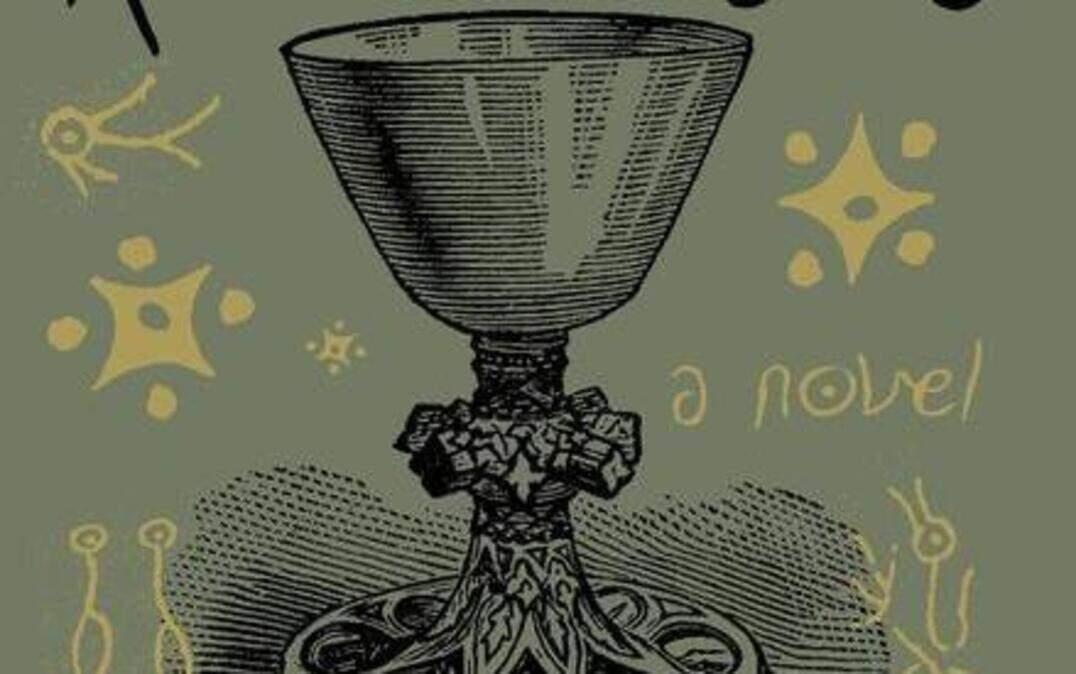
In six previous novels, Kazuo Ishiguro has explored the slippery weight of memory.
In two of his most acclaimed works, “The Remains of the Day” (1989) and “Never Let Me Go” (2005), the first-person narrators (the quintessential English butler and a cloned schoolgirl, respectively) illuminate the shocking ways we can deceive ourselves about our past and the way systems can dehumanize the people they’re meant to serve.
Ishiguro’s new novel, “The Buried Giant,” a quest tale set in Dark Age England featuring ogres and dragons, seems on the surface to be a departure from all that.
There’s a narrator of the “once upon a time” variety. The dialogue is stiff and too formal to be true to life. This is the point. We’re meant to enter into an old tradition of storytelling and deep, deep history — that place where fantasy and reality bleed into each other.
It recalls, at first, the matter-of-fact magical England of Neil Gaiman’s stories or perhaps some of the reimagined history of J.R.R. Tolkien, but it ends up unmistakably Ishiguro.
There is nothing whimsical about this world. History — the kind we talk about, full of war and its atrocities — underpins the supernatural elements. The deeds of Arthur and his knights are within living memory for these characters. But here those deeds are connected more closely with the actual sixth-century Saxon invasions than with any round table or Camelot.
This is a vision of England where legend is built upon the real, often brutal, past. “Beneath our soil lie the remains of old slaughter,” says one character.
In an unnamed village surrounded by “miles of desolate, uncultivated land; here and there rough-hewn paths over craggy hills or bleak moorland,” live an elderly couple, Axl and Beatrice. They set out on a journey to visit their son, who left long ago under circumstances neither of them can remember.
A “mist of forgetfulness” has fallen over the land, scrubbing out not only people’s personal memories but also the communities’ collective knowledge of the past. Whether this forgetfulness is a blessing or a curse is much debated throughout the book.
What anger and violence might erupt if the sins of the past were brought to light? And yet how can anybody live honestly or justly without acknowledging the wrongs they may have done?
Along their way, Beatrice and Axl encounter other characters whose quests coincide with their own: Wistan, a Saxon warrior from the east, sent by his king to slay a local dragon; Edwin, a young Saxon boy marked by an evil creature; and Sir Gawain, the legendary knight, now an old man wandering the countryside on his own dragon-related mission.
Both warriors seem to remember Axl from an earlier life, when he was something more than a simple villager.
Like any good quest story, the heroes’ paths lead them up mountains, through forests and down rivers, where they get waylaid by massive, doglike monsters and pixies that try to drown them. But even here sobering reality cuts into the tale.
In a monastery where the party stays the night, Wistan points out that the architecture reveals it to be a repurposed Saxon hill fort, the site of a bloody, desperate siege.
The novel’s distant style makes reading it more of an intellectual exercise than an emotional one. The characters, though they have more layers than many legendary figures, don’t feel quite human enough to become intimately involved with them. We’re left to connect with the book’s universal themes and eerie resonances with history and familiar myth.
There’s a disorienting sense reading this book. The fog that shrouds the characters also shrouds us; events are presented out of order as the characters remember them. Secrets come to light through gradual buildup rather than sudden revelation.
Because of its fable-like qualities, it’s impossible not to ask if this story is supposed to mirror in some way a more recent moment in Britain’s past or even its present.
The text doesn’t offer many clues, but it could be seen as a parallel for any war in which peace treaties are broken and long-standing resentments inform the fighting — which is to say almost all of them. Axl seems to speak for all times when he says, “Who knows what will come when quick-tongued men make ancient grievances rhyme with fresh desire for land and conquest?”
As a good tale should, “The Buried Giant” keeps its promises: The characters remember their pasts, the dragon is confronted, Beatrice and Axl make it to the end of their journey.
But these moments are robbed, quite purposefully, of their gratifying power. There is no global catharsis; the countryside is left with great catastrophe and change looming.
Axl and Beatrice’s own ending is bittersweet. Whether they get a true “happy ever after” is left ambiguous. The hope is there, but in the end, the reader is left to decide whether the quest to recover the past was successful.
The Buried Giant, by Kazuo Ishiguro (320 pages; Alfred A. Knopf; $26.95)
This story was originally published March 6, 2015 at 6:00 AM with the headline "Kazuo Ishiguro’s ‘The Buried Giant’ takes readers on a puzzling quest."