
Royals’ Salvador Perez talks ‘life-changing trip’ to Kenya: ‘You have to see’ it
With his shimmering smile, joy he takes in the game and sheer vitality, we’ve seldom — if ever — seen a more effervescent public presence than Royals icon Salvador Perez.
And over the course of more than a decade, I’ve been privileged to speak with him about many passionate matters:
From his love for Kansas City to his origin story in Venezuela to his relationship with his mother; from his arduous arm rehab from Tommy John surgery to the shattering death of Yordano Ventura on the bus to Ventura’s funeral in the Dominican Republic.
Whatever the state of emotion, whether in delight or anguish, Perez spoke from the heart on those occasions — and, of course, in many instances with others over the years.
Call it recency bias, but I don’t believe I ever saw him more eager and animated than last week, when I went to speak with him about an 11-day trip to Kenya this past offseason. He smacked the chair beside him, inviting me to sit down — such a rarity in a big-league clubhouse that he had to ask twice.
And then he instantly began to gush about what he called a “100 percent life-changing” experience.
“You have to go and see it,” he said, “so you can feel what I feel.”
‘I think God sent me a sign’
With the childlike wonder that still defines him days away from his 35th birthday (May 10), Perez proceeded to try to bring us along by sharing some of the hundreds of pictures he took in Africa.
His showcase also included ones taken of him within a 12-person group co-led by terrific Royals team photographer Jason Hanna — who also happens to be a kind and thoughtful soul.
Among the very best things about travel, Hanna said, is that it helps you empathize with and have compassion for anyone.
Not to mention simply appreciate what we don’t understand — which, in fact, is most of the rest of the world — and reconsider our own place in it all.
Escorted by Maasai tribesmen with whom he’s maintained a relationship, Hanna had made the trip with a group of photographers the year before.
During what Perez recalled as a casual chat about animals one day last season, he invited Perez to join this time.
Perez had barely even dreamed of taking such a trip but was compelled to accept instantly.
“I think God sent me a sign,” he said. “‘OK, you want to go? Go now.’”
Seemingly less ordained was the idea of a real camera being desired by Perez, who also was accompanied on the trip by his fellow Venezuelan and former big-leaguer Marco Scutaro.
Perez initially balked at the idea of wanting to make real photography part of the trip.
.jpg "BeFunky-collage (3).jpg")
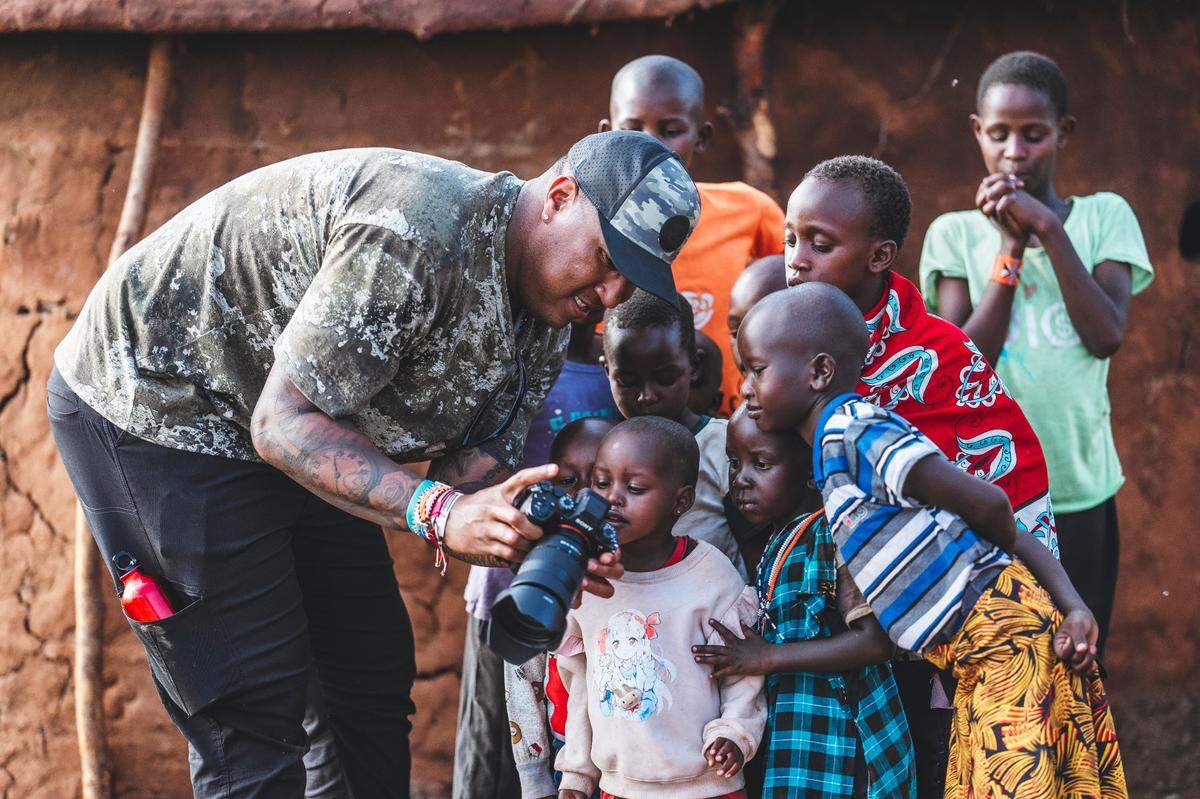
Figuring that could change, Hanna brought an extra camera ... and didn’t have to wait long to give it to Perez. And he enjoyed seeing the rapid progress Perez made from the initial awkwardness in handling the gear, a progression captured in before-and-after pictures Perez made it a point to share.
“I took the first one knowing I was going to take the second one,” said Hanna, who is having a book of Perez’s best pictures bound for him.
“I feel I was inside ‘Madagascar’ ”
No doubt the collection will include many Perez revealed as we sat at his locker and he seemed to return to the scenes himself.
What struck him as surreal during the excursions to three separate wildlife conservancies was being so up-close and personal with the majestic animals and sometimes even insects.
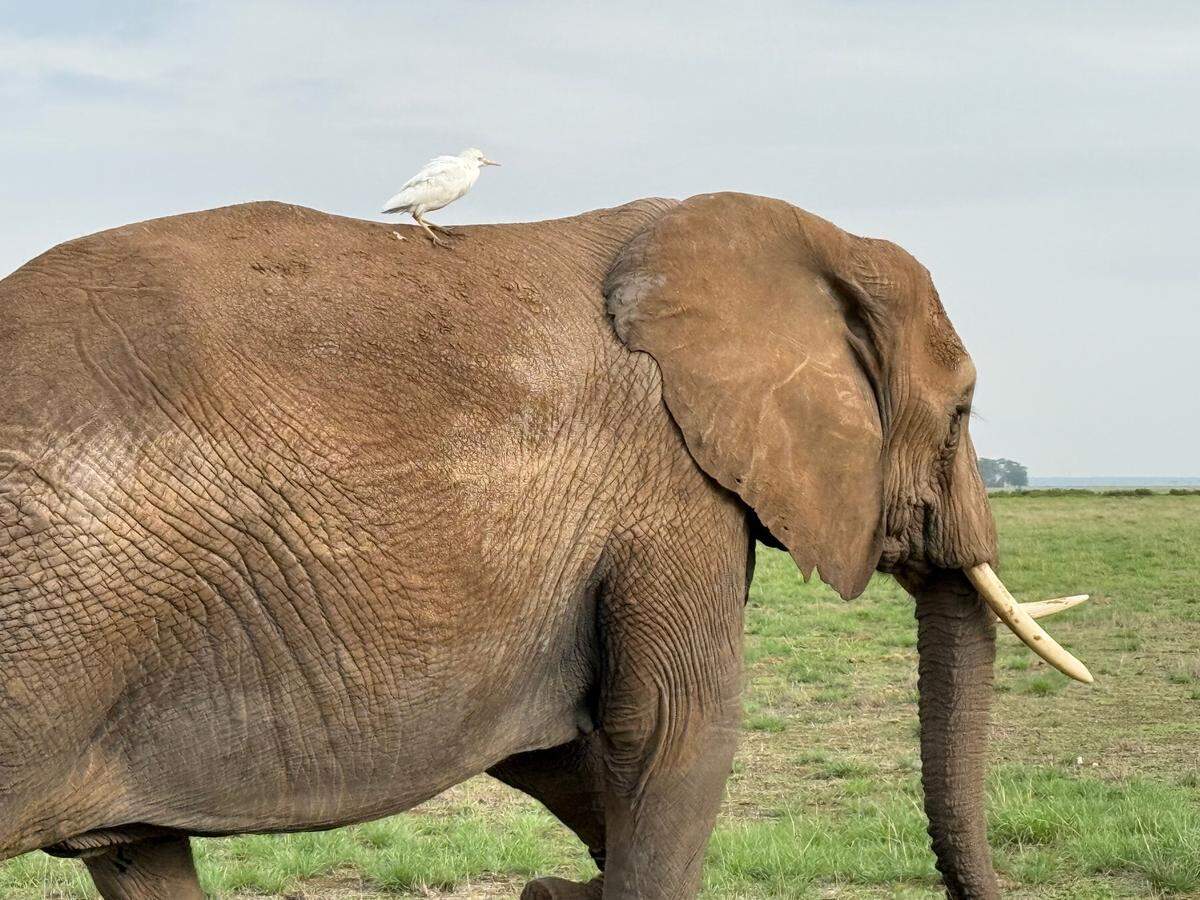
Any place he turned, really, and on a totally different scale and distance than what you might see at a zoo.
Standing near the Royals dugout the other day, Hanna looked toward center field and imagined gazing through binoculars at a leopard. That would be cool enough, he said.
But not quite the experience of looking at one a few feet away in the dugout – a sensation he reveled in seeing Perez feel at so many turns as they traversed the terrain in Toyota Landcruiser FJs with canvas tops.
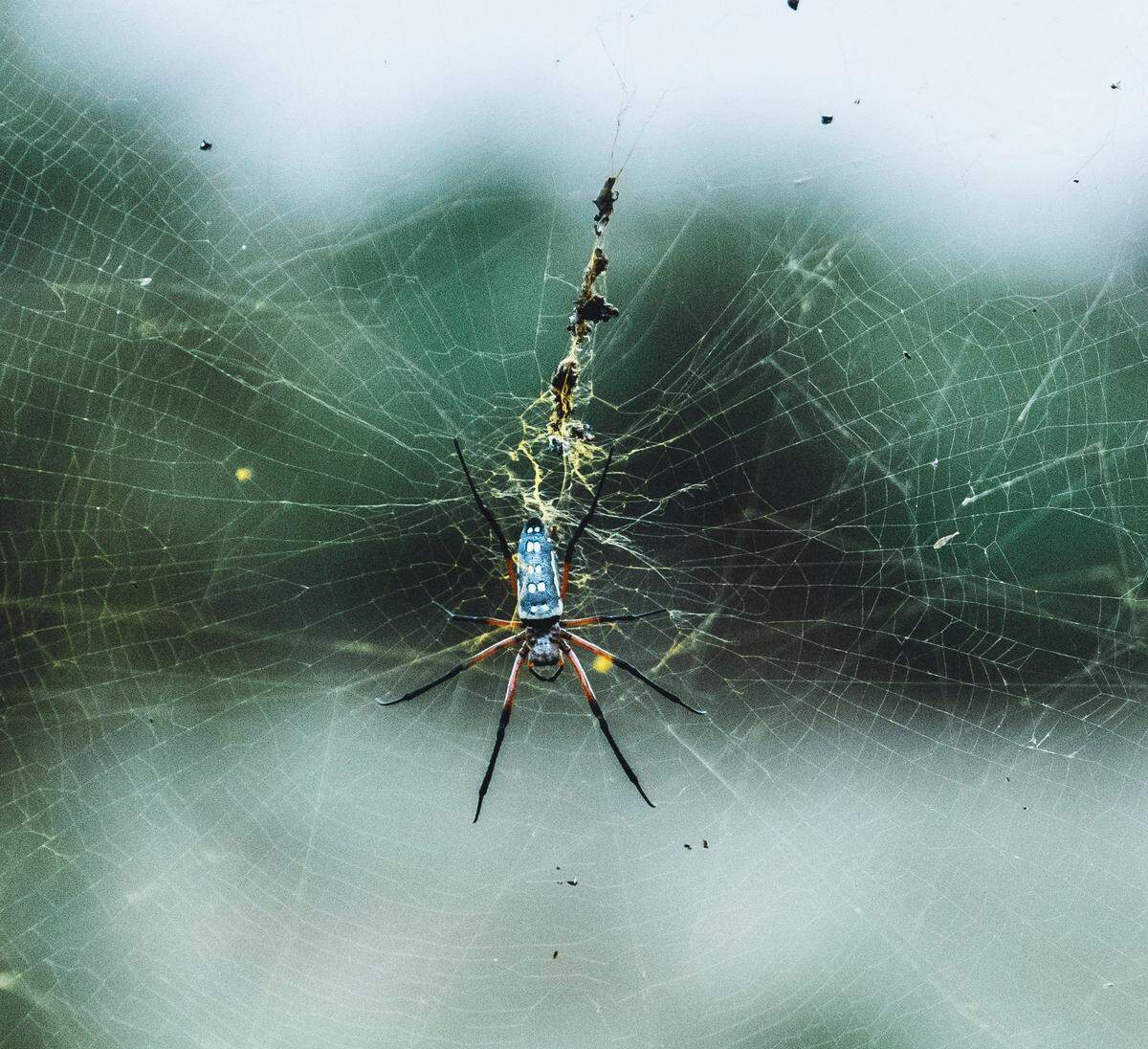
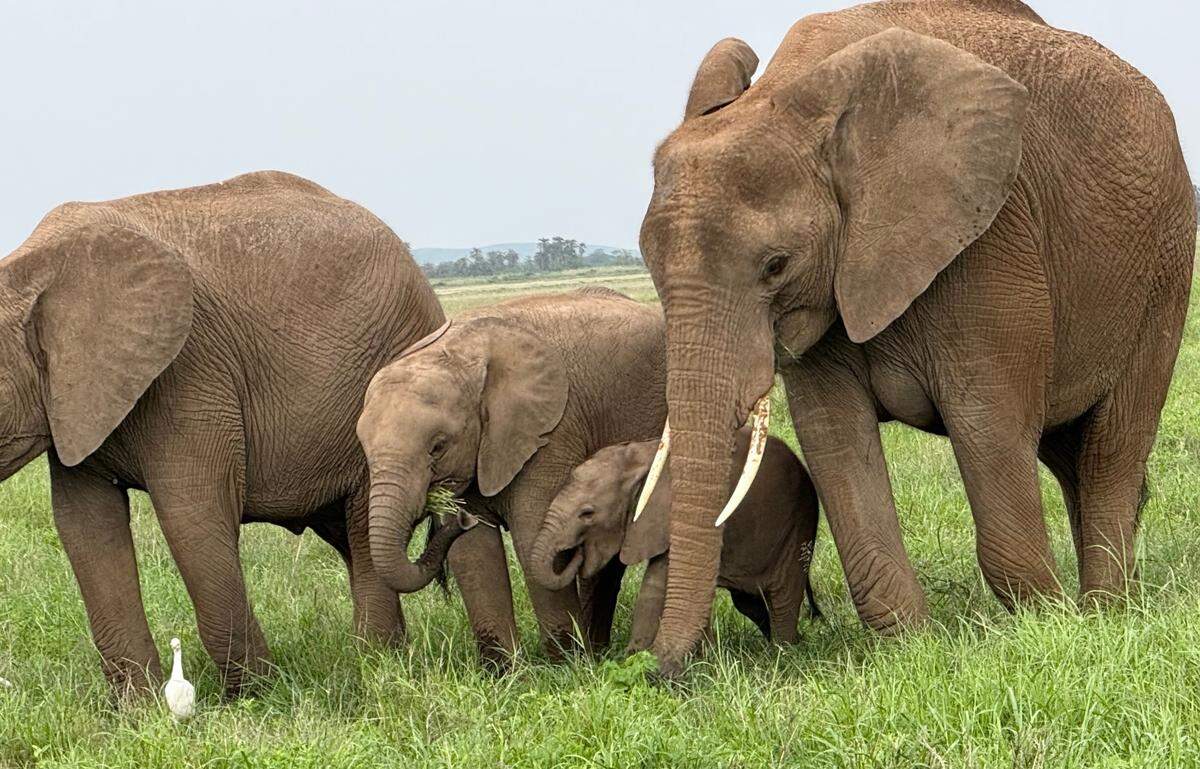
No wonder Perez raved about what he recalled as some 3,000 elephants they encountered, including some he engaged virtually eye to eye. And he “wowed” over a picture of a spider so large it made me shudder.
He talked about the often-aggressive hippo(s) he sometimes heard outside the upscale tents in which they essentially “glamped” .... but still required bucket showers that made for an entirely different sort of “Salvy Splash.”
And he thought about what he seemed to consider the most beautiful beast of all.
“I think just to see a lion in person is pretty good: ‘King of the jungle,’ ” he said, smiling and adding, “You know the movie ‘Madagascar?’ I feel I was inside Madagascar.”
‘They don’t have anything’
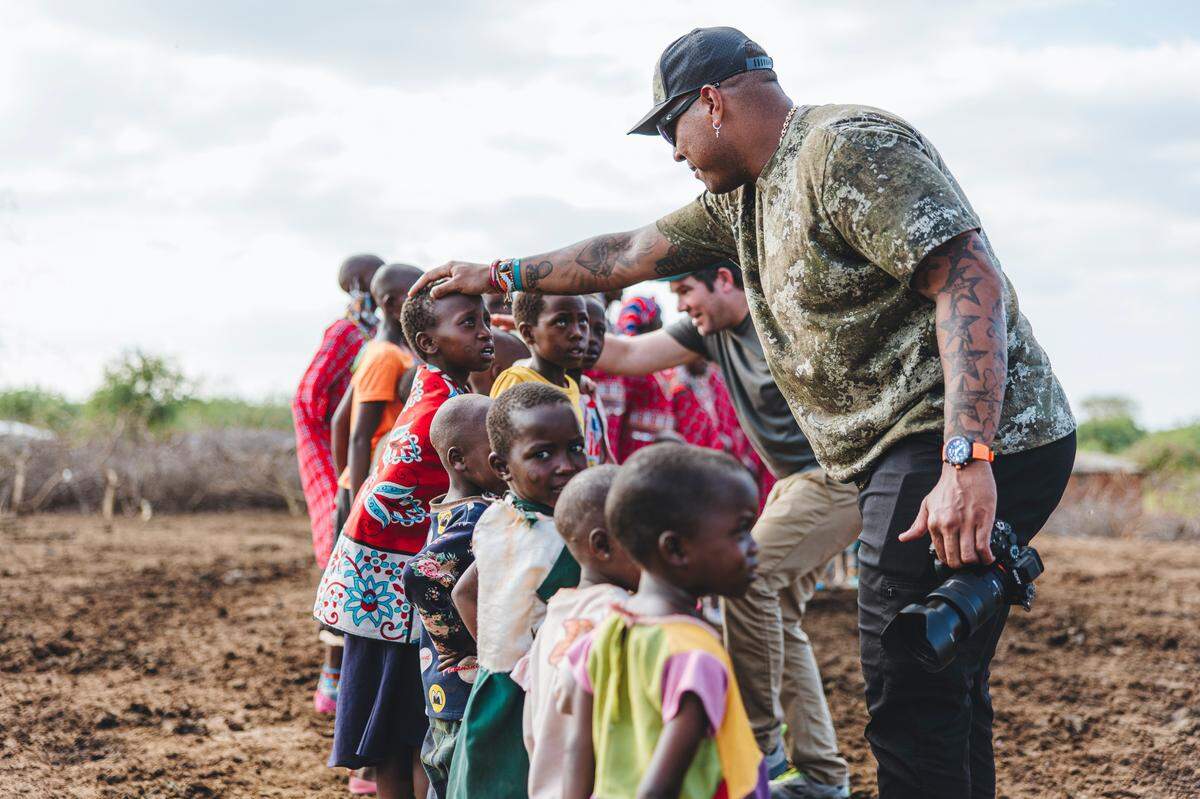
For all that, though, it won’t surprise you that nothing moved Perez more than the people with whom he largely communicated only through the magnetic smile and body language that transcends language barriers.
A feeling Perez found all the more “refreshing” because his fame as a baseball player was entirely irrelevant on the trip.
“People just gravitate towards that,” Hanna said, “because that’s who he is.”
The kids in particular flocked to Perez, who (among others) can be seen in photos and video touching youngsters on the head as they bend toward him for the traditional Maasai greeting.
Such engagement was at the crux of the aspect of the trip Perez considered transformative.
In the Maasai tribal villages of perhaps 60-80 people, Perez was intensely struck by their living conditions.
Like the small huts fashioned largely of dung and mud, typically featuring only tiny windows so animals can’t enter — among other ways they constantly have to protect themselves.
Such scarcity of water, he said, that “sometimes they drink water with the animals in the water.”
He showed me a video of them using dung to create a fire. And a picture of youngsters looking at his photos and literally seeing themselves for the first time, he believed.
Their gestures, he said, led him to believe they were asking “‘that’s me in the picture? … That’s the way that I look?’”
“Like, they don’t have a mirror,” he said. “They don’t have anything.”
‘Sometimes we just complain for nothing’
Not materially, perhaps.
But they offered perspective Perez believes he will keep forever.
“It’s made me feel more humble,” he said.
During the trip, he was reminded of his roots in Valencia, Venezuela, in a home of dirt floors and a neighborhood infested with crime.
“I was thinking where I was coming from, it’s hard,” he said. “No, it’s nothing. You have to go over there to see what’s hard.”
What will stay with him isn’t just what’s so hard, though:
It’s how they embrace life.
“They’re just blessed to live every day, to wake up in the morning when nothing happened (to them) …,” he said. “They don’t even know if they’re going to have food the next day. They don’t even know if they’re going to have water the next day.
“And they live so happy every day, dancing. It’s unbelievable.”
Since then, he’s thought about how blessed he himself is and how “sometimes we just complain for nothing” and how absurd that is.
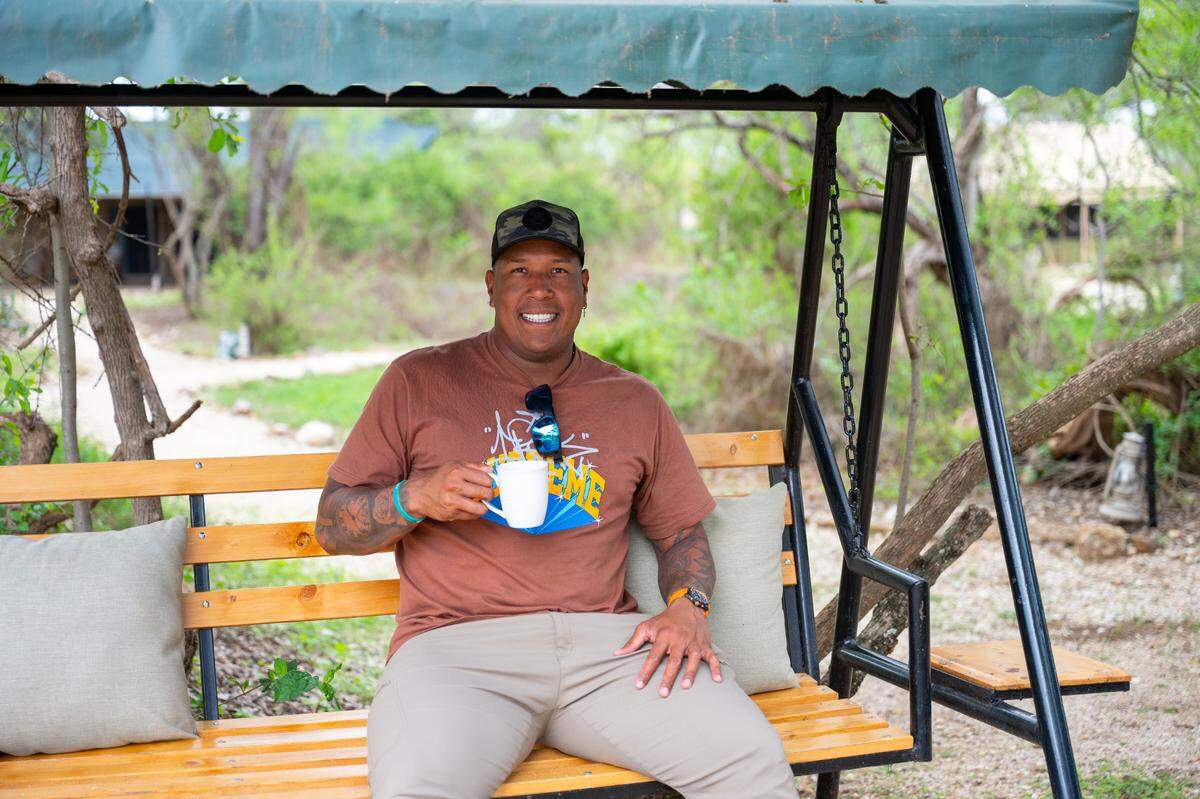
Then there’s the context of baseball.
“Honestly, when you put that trip in baseball, you think oh for four is going to make me get mad?” he said. “I know we want to win. I know I get paid. I know I want to do the best.
“But if I sacrifice myself, I give everything … and we don’t get the good result, I can (sleep well).”
All part of a life-changing experience Perez was extra-thrilled to talk about and plans to repeat — and hopes might resonate with you, too.