
Moss? A sponge? A jellyfish? These blob creatures in Missouri lakes mean you no harm
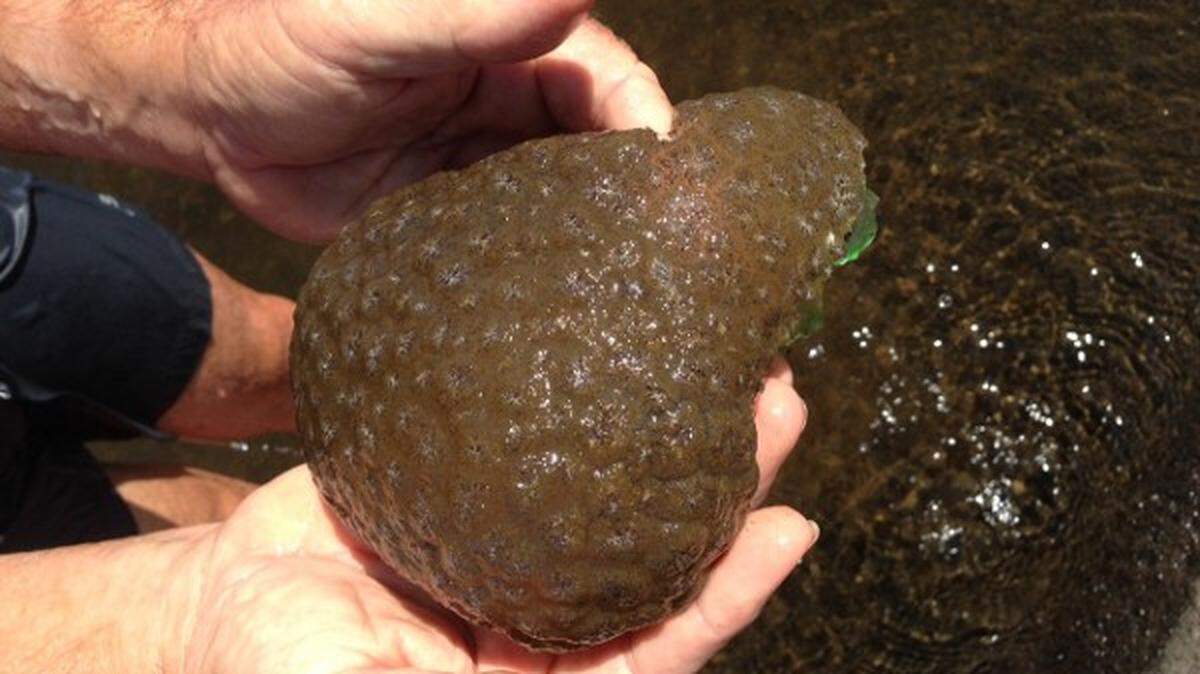
Teamwork makes the dream work for bryozoans, a family of tiny tentacled creatures native to Missouri’s lakes and rivers.
While usually overlooked individually due to their tiny size, these microscopic invertebrates often clump together to live in colonies that can grow as large as a basketball and take on a variety of textures from stiff to jelly-like. Frequent patrons of Missouri’s lakes may mistake them for sponges, jellyfish, moss or algae — or overlook them entirely.
But what you shouldn’t do is disturb them in their aquatic homes.
It’s now the height of bryozoa season, with colonies reaching their largest size in the late summer and fall. And the Missouri Department of Conservation is advising swimmers, anglers and others out on the water to treat these important creatures with care.
“Bryozoans are tiny, filter-feeding invertebrates,” the department wrote on Facebook on Monday. “Like mussels and other filter feeders, bryozoans gradually cleanse the water as they feed.”
While the department adds that most bryozoan colonies are attached to a structure like a rock or submerged branch, some species can clump together and float freely in lakes of all sizes.
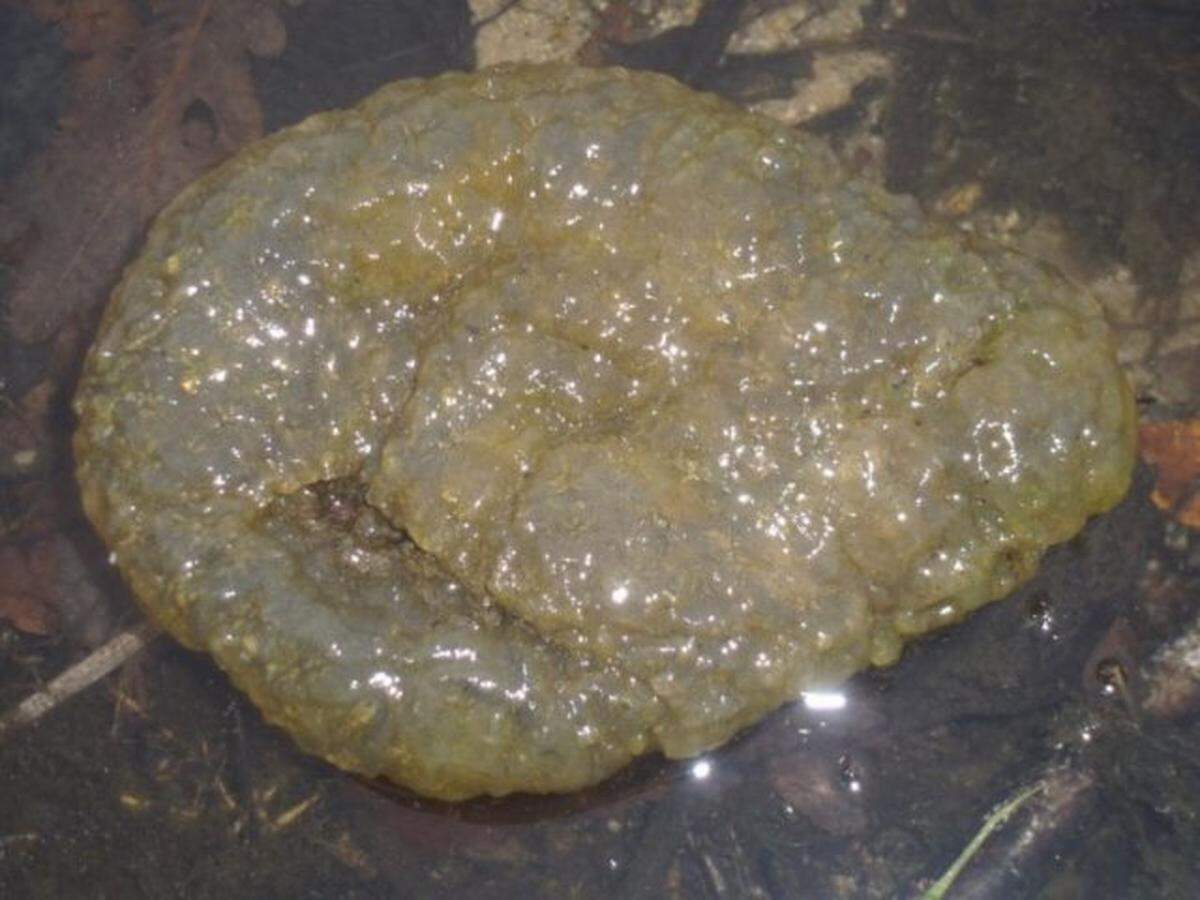
“Colonies are usually no more than 2–4 inches long or high, but some can be 12 inches or wider,” the department states on its website. “Some colonies take the form of rounded, jellylike masses, while others resemble antlers or mosses, or trace delicately like vines across rocks, or create furry-looking colonies.”
The mossy or fuzzy appearance of some colonies on the surface of other objects lend this creature its nickname: “moss animals.”
The presence of bryozoans in the water is an indicator of good water quality. One Delaware parks official even called them “one of our most overlooked and underappreciated animals.” Touching a colony won’t harm you, so feel free to take a closer look — just don’t remove it from the water or attempt to break it apart.
When you see one of these unusual blobs in your favorite pond or lake, just let it float on and continue naturally cleaning the water.
Do you have more questions about Missouri or Kansas wildlife? Ask the Service Journalism team at kcq@kcstar.com.
.jpg)