
Inside the Chiefs’ SubTropolis lair and its buried trove of historical treasures
AI-generated summary reviewed by our newsroom.
- Chiefs store a large archive of artifacts and documents in SubTropolis caverns.
- ESPN series The Kingdom highlighted the archives and boosted public curiosity.
- Curators catalog, preserve and rotate artifacts between SubTropolis and Hall of Honor.
Some of these sports artifacts — airline stationery bearing the original, scribbled idea for an “American Football League,” or the original suggestion for the name of the Super Bowl, or early notes detailing the notion of an NFL-AFL merger — are worthy of display the at Pro Football Hall of Fame, or even the Smithsonian.
Instead, they exist where hidden treasures are said to be found — buried underground. Or, in this case, stored in offices at the world’s largest subterranean business complex, SubTropolis in Kansas City.
“Welcome to our office,” said Chiefs Hall of Honor curator Mike Davidson. “We got started here about 270 million years ago.”
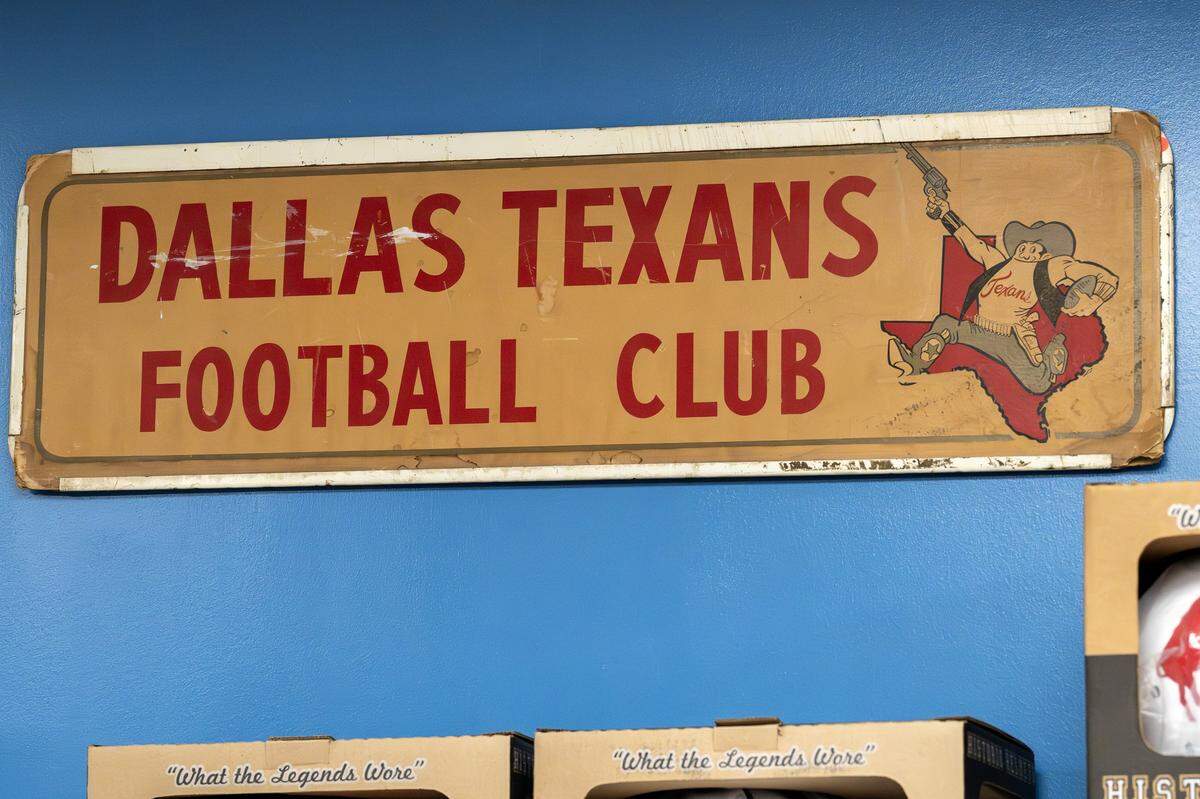
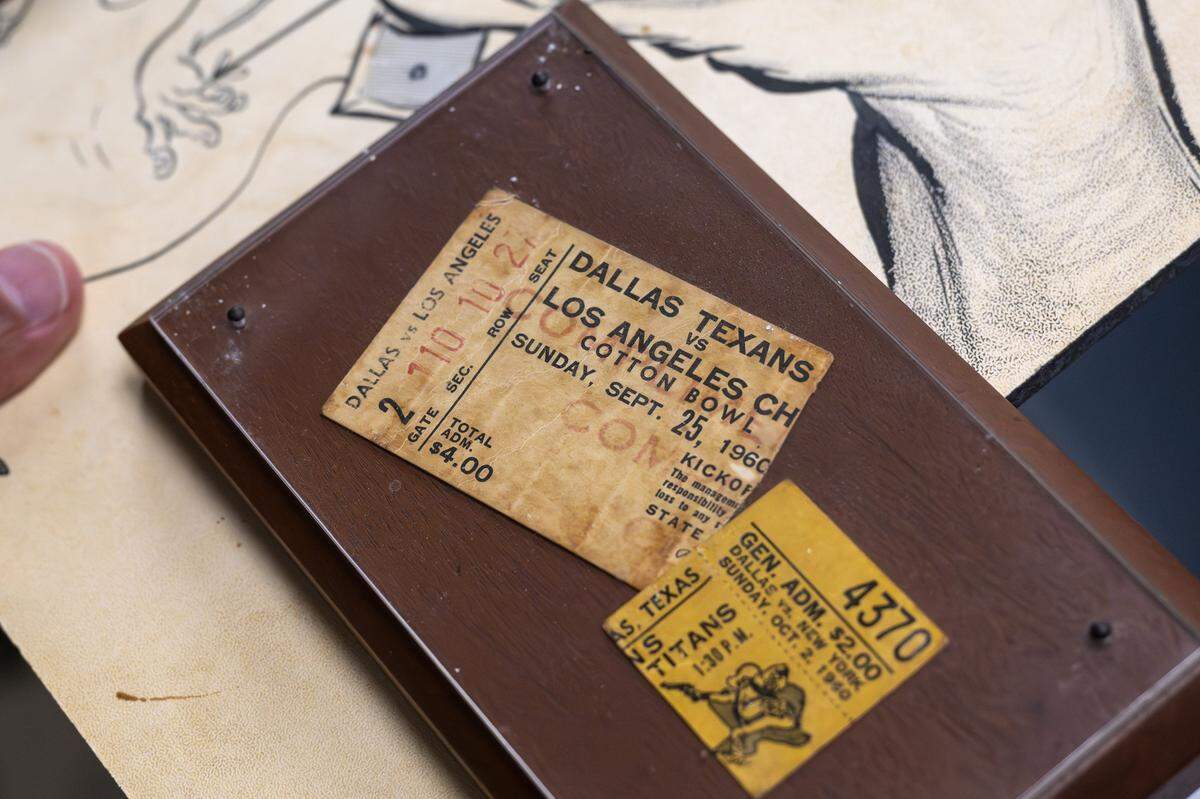
The process of storing much of the Chiefs’ treasured history in “the caves” — a former mine dug into the limestone bluffs carved over eons just north of the Missouri River — started about 15 years ago. But the team’s relationship with SubTropolis dates to the 1960s, when founder Lamar Hunt transferred his original AFL franchise, the Dallas Texans, to Kansas City ...
And then further invested in the region by creating the underground industrial park that today is owned by Hunt Midwest.
Welcome to the underground
Some 55 business comprise this 55,000,000 square-foot labyrinth, a layout connected by 11.6 miles of burrowed-out, paved roads and 2.1 miles of railroad track.
It’s always 65-70 degrees here. Ford has stored vehicles on site, and SubTropolis has also been home to chocolates from Russell Stover, stamps from the U.S. Postal Service and original prints from such Hollywood classics as “Gone With the Wind” and “The Wizard of Oz.” Distance runners around KC might also know SubTropolis as the site of the annual Groundhog Run 10K and 5K races (Feb. 1 in 2026 — but don’t worry about the weather!).
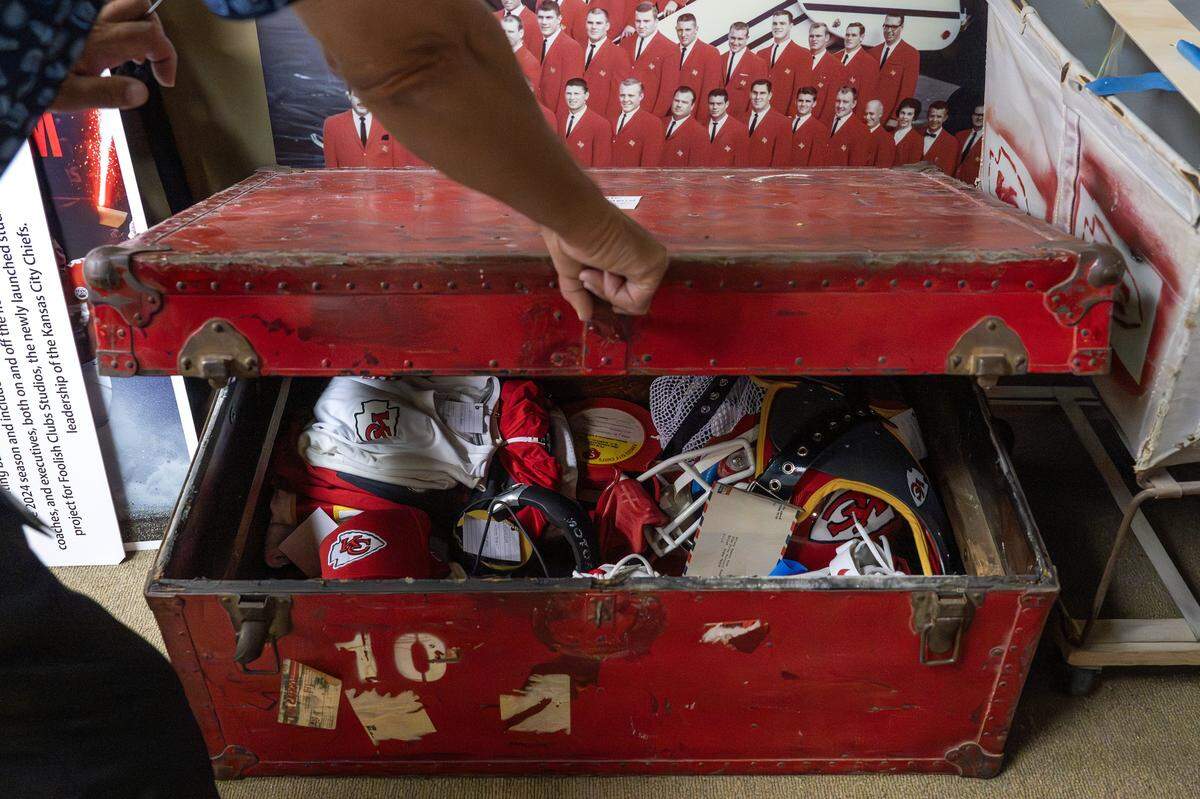
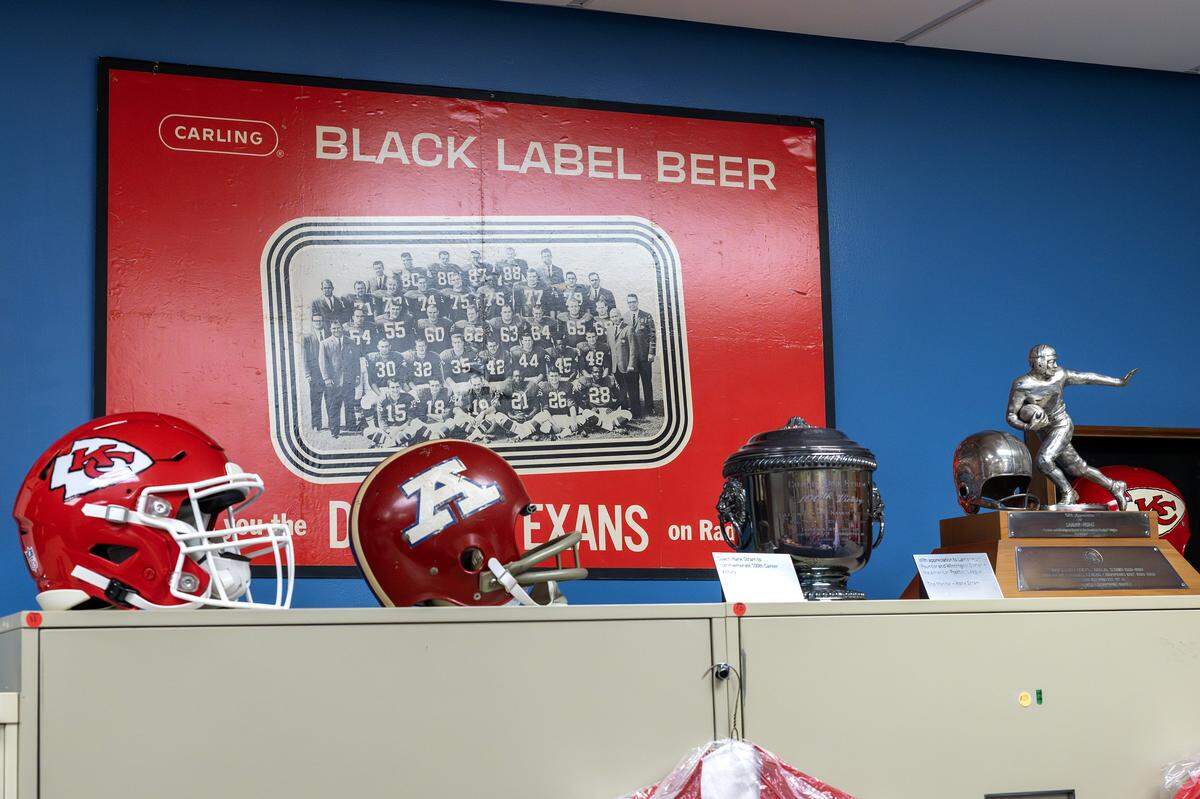
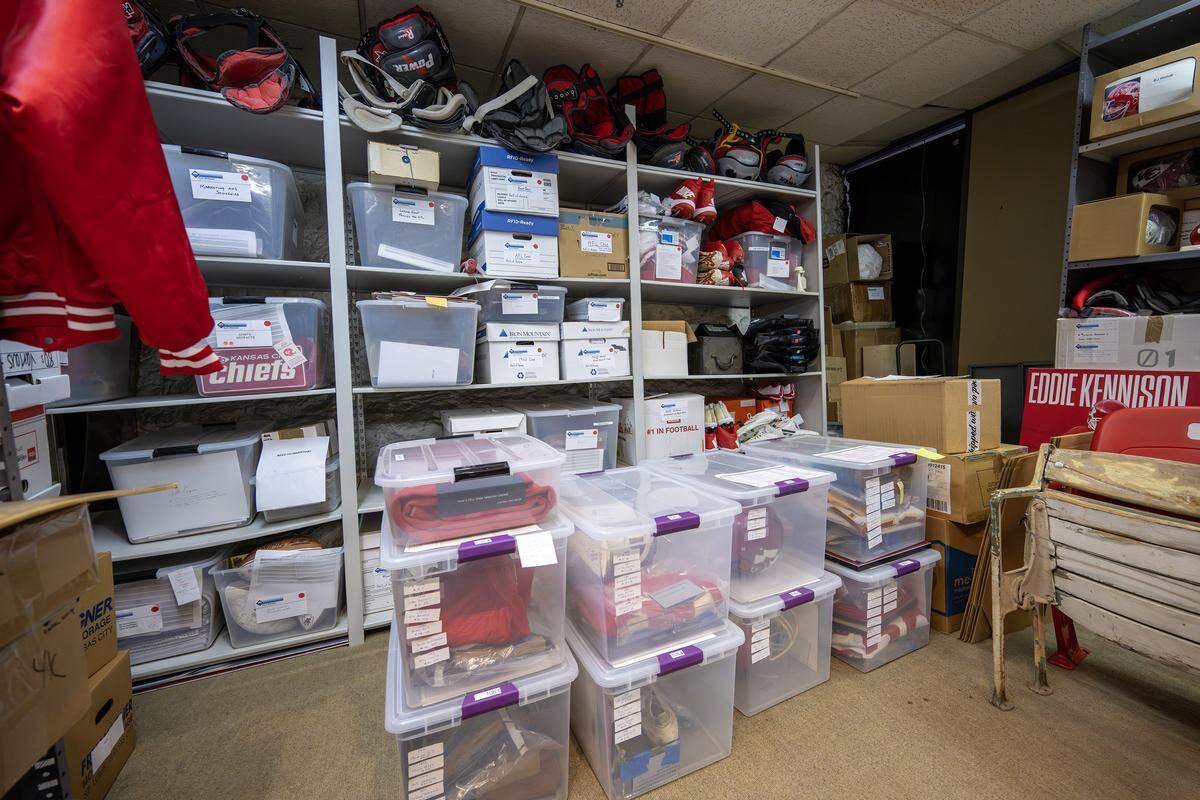
Until this football season, however, the Chiefs’ outpost inside SubTropolis flew largely under the radar, serving primarily as a depository for historical documents, films, trophies, uniforms and photos. Much of the material was moved here from Arrowhead Stadium’s storage areas during the venue’s 2008-10 renovation.
Then the ESPN docuseries “The Kingdom” debuted in mid-August of this year.
Episode 6 opens in SubTropolis, with Chiefs head coach Andy Reid, quarterback Patrick Mahomes, tight end Travis Kelce and defensive lineman Chris Jones joining team CEO and chairman Clark Hunt — Lamar’s son — on a visit to the underground offices.
Along with team historian Bob Moore, they pull out boxes of material devoted to each of them. Among the items are the cleats Mahomes wore during his first start with the Chiefs and the pink, double-breasted Dior suit that Kelce wore while hosting “Saturday Night Live” in 2023.
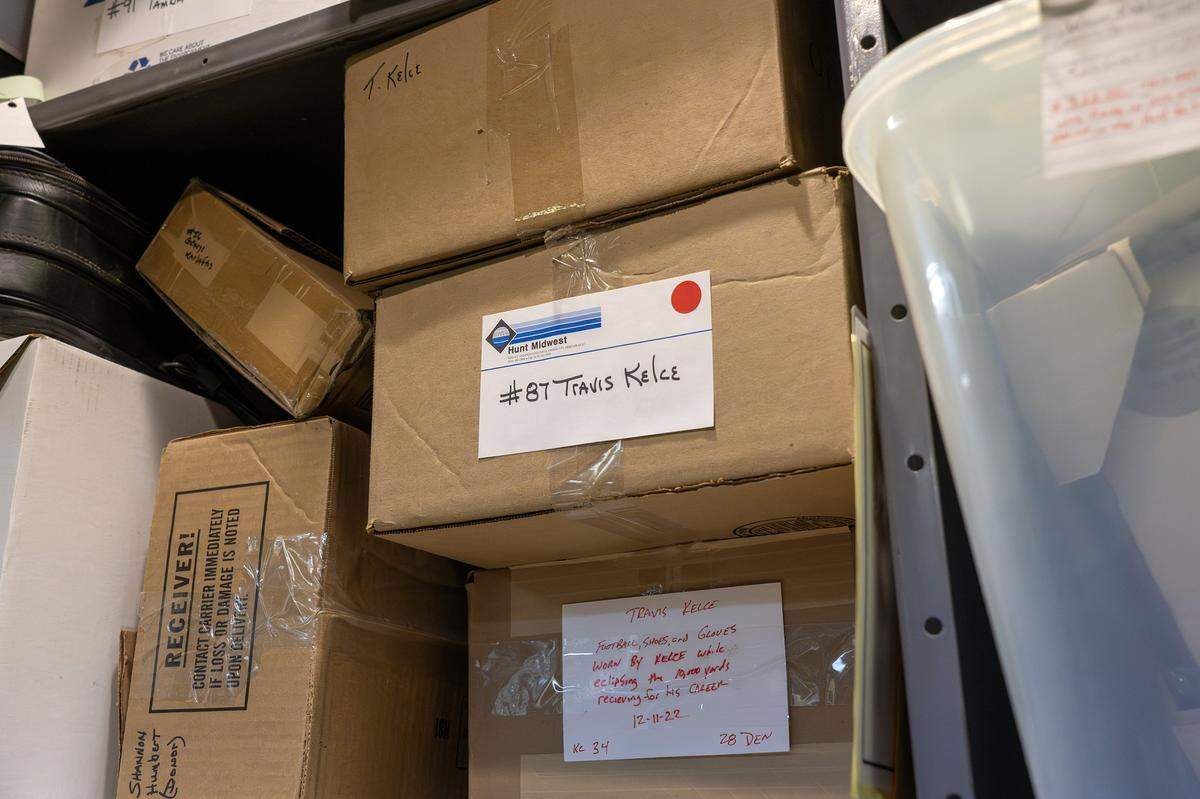
Truth be told, you don’t need to travel to the deeper recesses of the caves to find the football materials, but the Chiefs group got a tour of the subterranean city and let their imaginations run wild.
“It was crazy,” Mahomes said. “I didn’t know it existed. You get down there and it keeps going. It was kind of like the evil lair in a villain movie.
“But you go down there, and I saw a lot of history I just didn’t know about. ... It was a cool, surreal moment and it really speaks to me, like we play this game we love ... and it means so much to so many people.”
The idea to include the caves in “The Kingdom” arose in an off-handed way, not long after the production company arrived for the 2024 season to begin chronicling the Chiefs’ bid for a third straight Super Bowl title.
Director and producer Kristen Lappas learned of SubTropolis and the archives from Lara Krug, the Chiefs’ vice president and chief media and marketing officer.
“They kind of talked about it in passing, but I was like, ‘Wait a minute, what is it?’” Lappas said. “From the moment they started to describe it, I thought it was really unusual for a professional sports franchise to house its history underground.”
So unusual, Lappas and the crew learned, that no current Chiefs player — or Reid — had ever visited SubTropolis.
“They had no idea where it was or what it was,” Moore said. “They were as surprised as anybody by that place.”
‘People are still fascinated by it’
The reaction has been similar for fans of the Chiefs, and football.
The scenes shot at SubTropolis last only a few minutes. But some two months after “The Kingdom” first aired, the curiosity factor remains high.
“People are still fascinated by it,” Moore said in October. “It’s surprising that it continues to have legs. People talk about it, call about it. And part of the reason is we have so much there.”
The Chiefs’ collection of historical stuff must compare favorably to that of any NFL team, simply because such items were important to Lamar Hunt. He was known to save everything and stood at the intersection of some pivotal moments in football history.
“My dad was a collector by nature,” said Clark Hunt. “A lot of it was intentional, and I would say a lot of it unintentional. He had stacks of piles of stuff all over the place.
“It occurred to me that we have this amazing facility at SubTropolis, which has almost limitless space. So why don’t we take some of that and turn it into our archives?”
Davidson opens a drawer, pulls out a box, removes a cover and presents a single page of notes: Hunt’s idea for a league to rival the NFL. He was returning to his Dallas home from a meeting in Miami, where he’d tried, unsuccessfully, to purchase the NFL’s Chicago Cardinals franchise from its owners.
As historical sports documents go, this may be pro football’s closest thing to James Naismith’s “13 Original Rules of Basket Ball”: It’s the original concept for the American Football League, which would bring pro football to such places as Boston, Buffalo, Denver, Houston and Oakland in 1960, and eventually also to San Diego, Miami, Cincinnati ... and Kansas City.
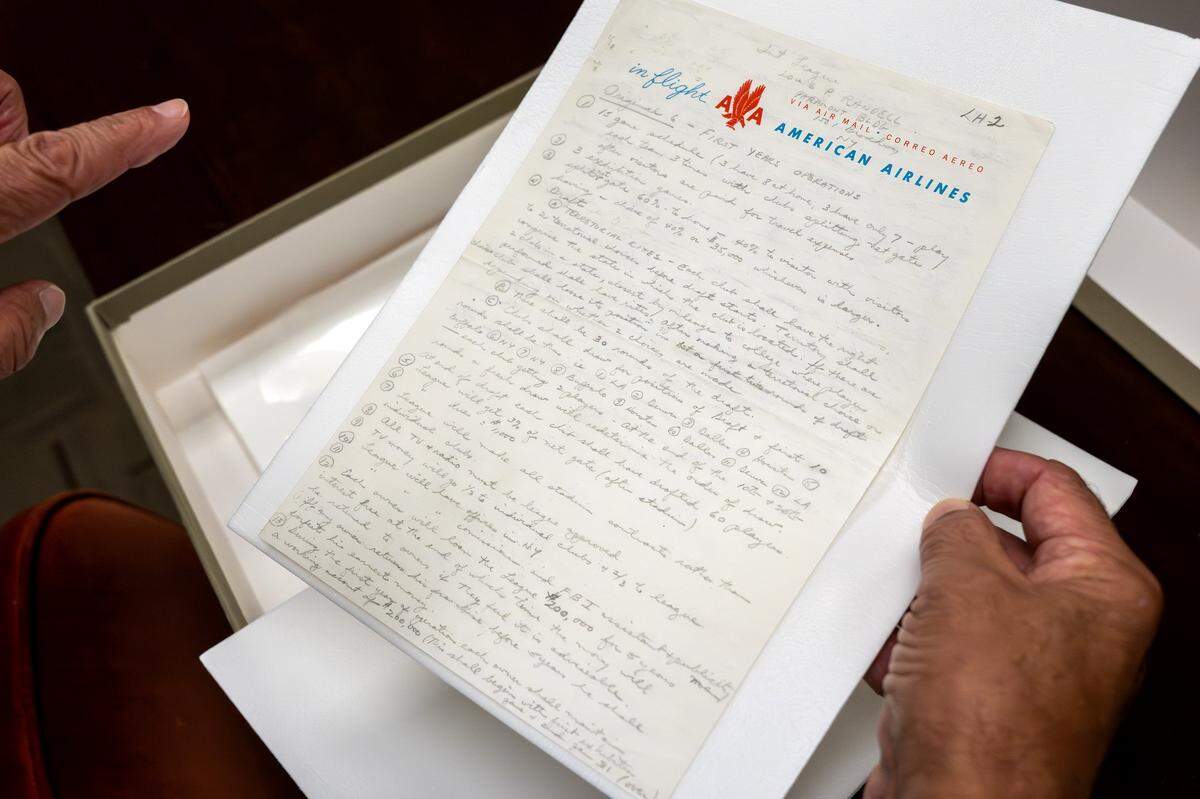
“He borrowed stationery from American Airlines and started jotting down notes,” Davidson said, gesturing to the page. “And this was the start of the AFL. Right here.”
A copy of the notes, plus a digitized version, is available to visitors at the Chiefs Hall of Honor at Arrowhead Stadium, which is open on game days and for public and private tours during the week. Artifacts make their way between the Chiefs’ Hall of Honor and the caves, but the offices at SubTropolis are not open to the public.
The Hall of Honor
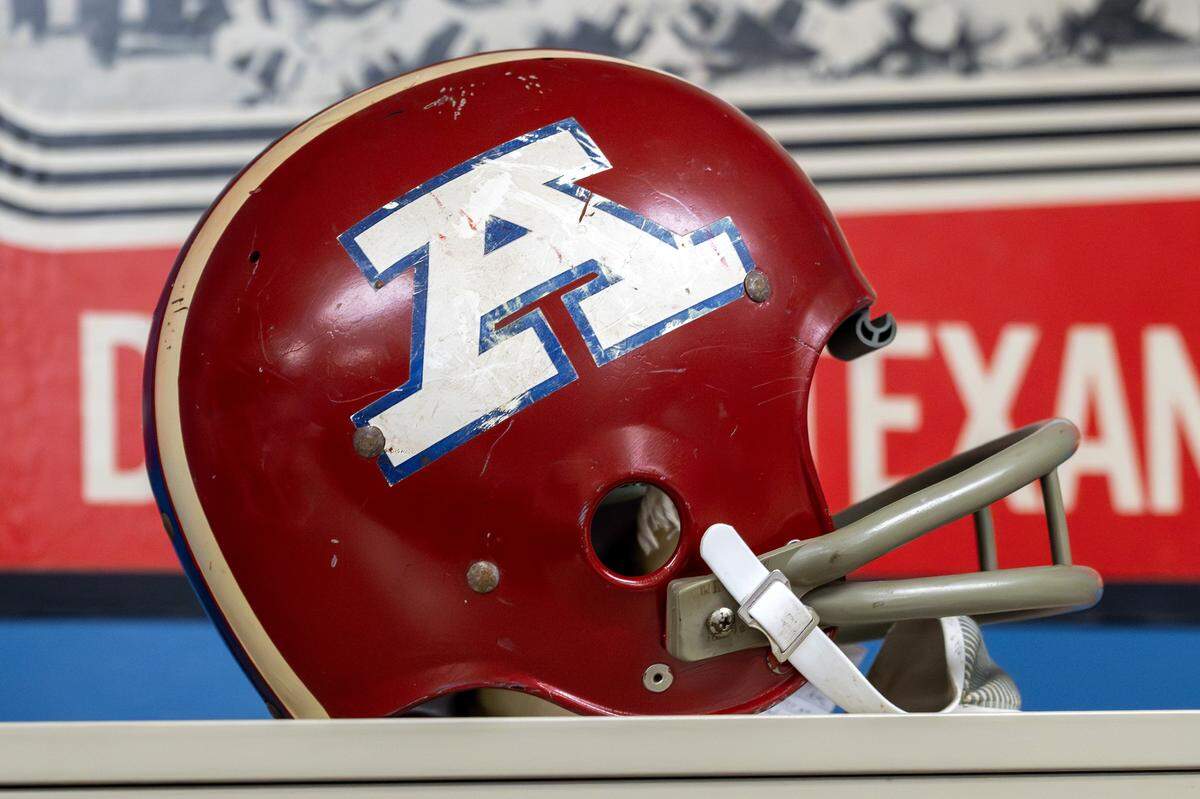
The Hall of Honor, open on game days and for weekday tours, displays the story of the Chiefs and AFL from the Dallas Texans through the Chiefs’ three Mahomes-led Super Bowl victories of the past six years.
Hundreds of fans make their way through every game.
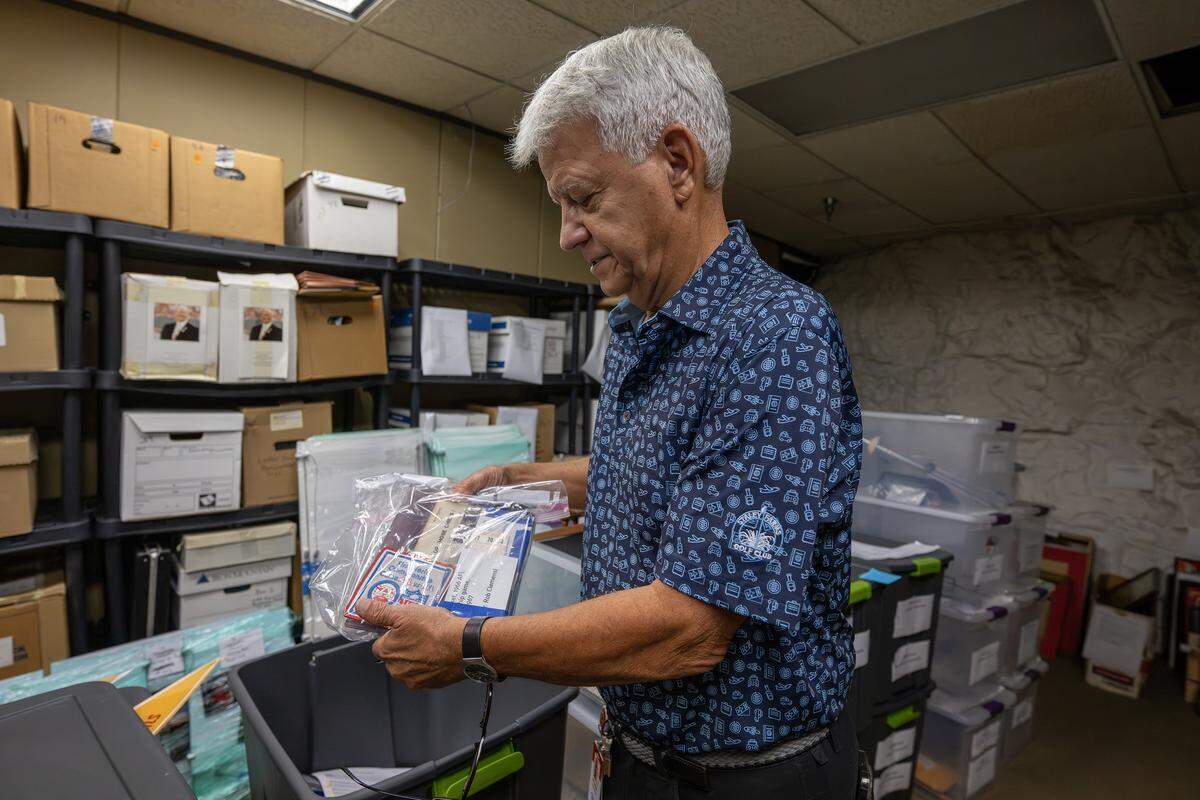
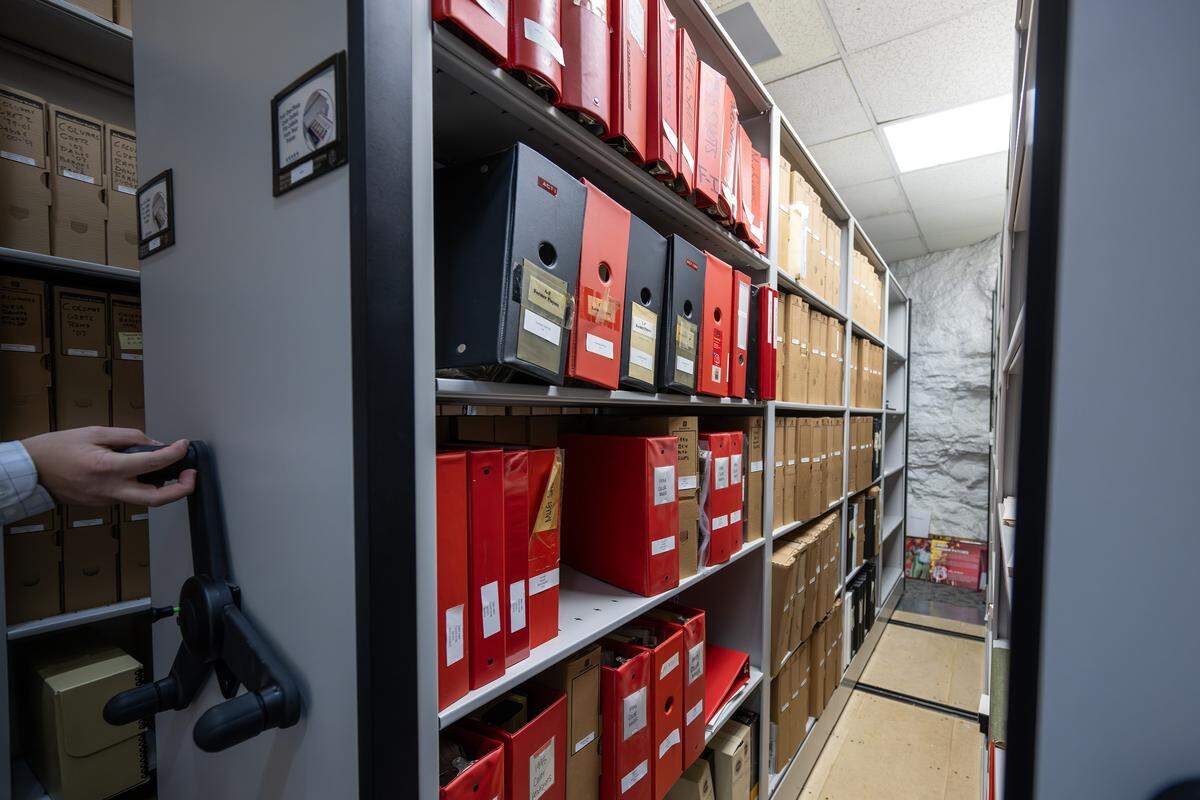
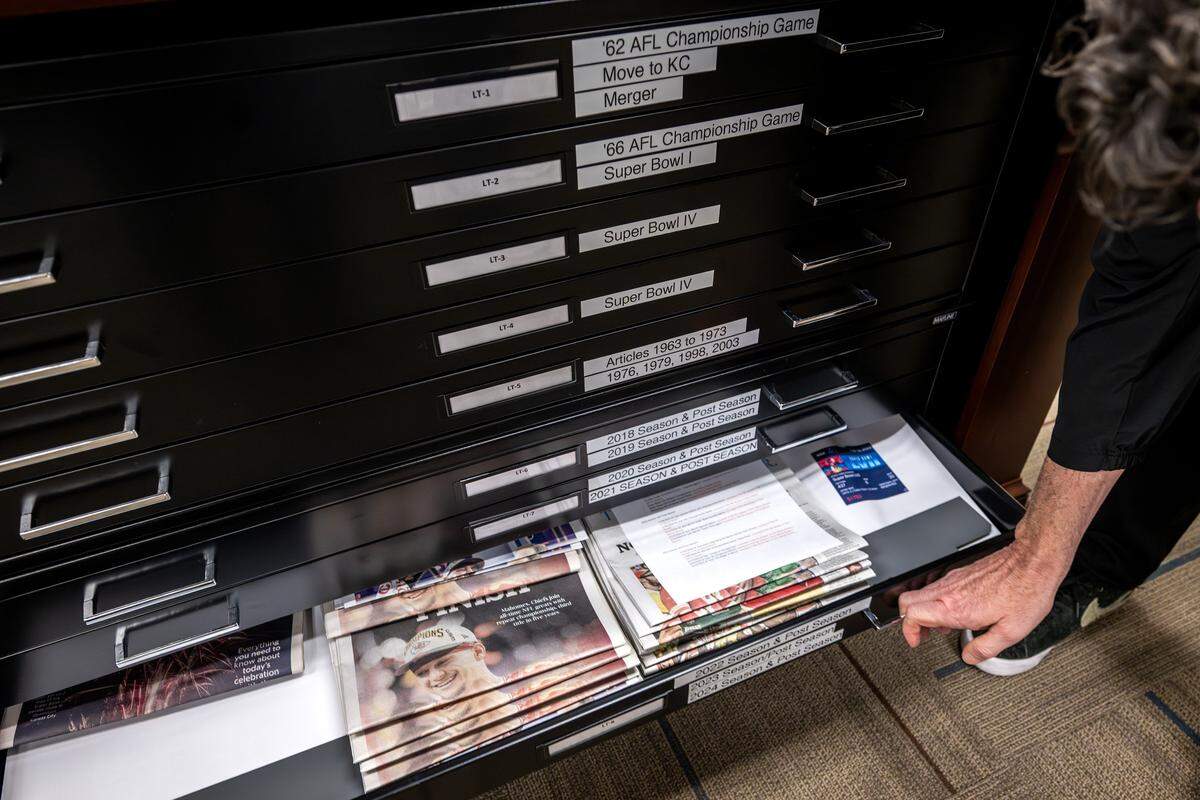
Back at SubTropolis, the Chiefs’ history is filed away and categorized. In one room, drawers full of clippings, photographs and notes are devoted to each season, starting with the original Texans campaign in 1960. Other highlights include the franchise’s AFL championship year of 1962 and the first year in Kansas City in 1963.
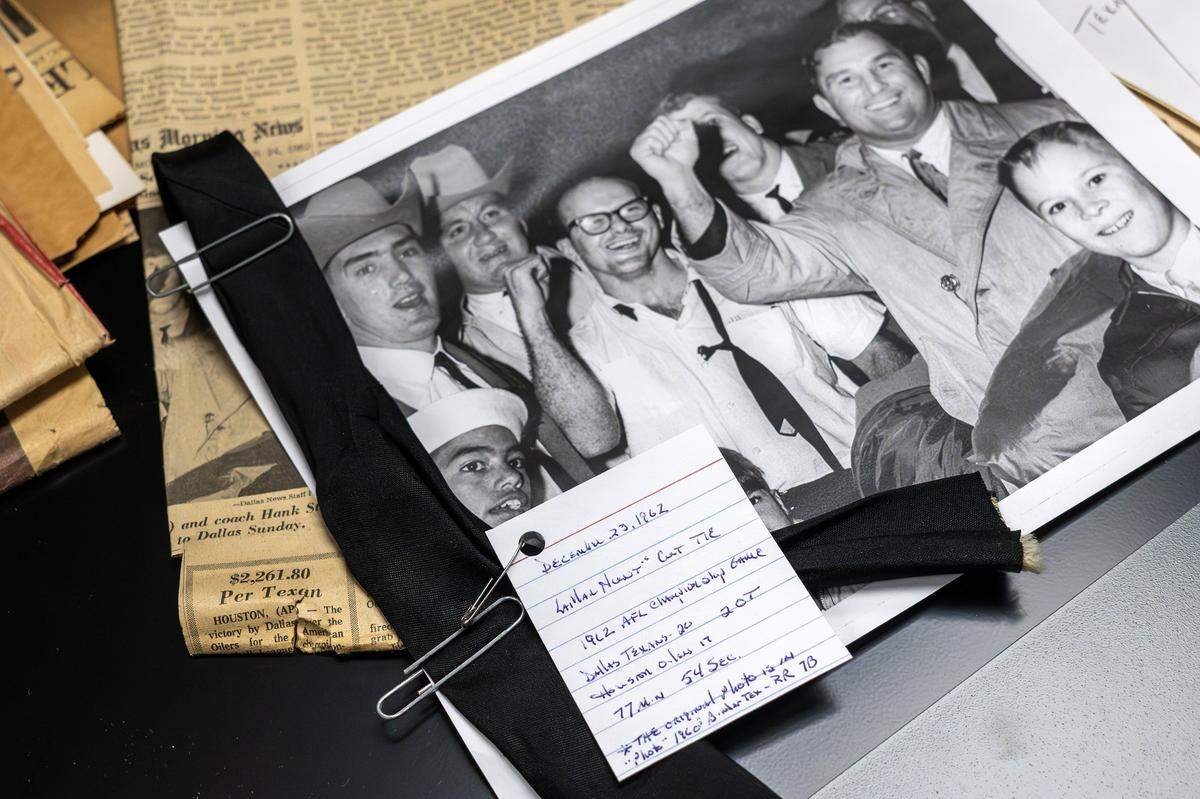
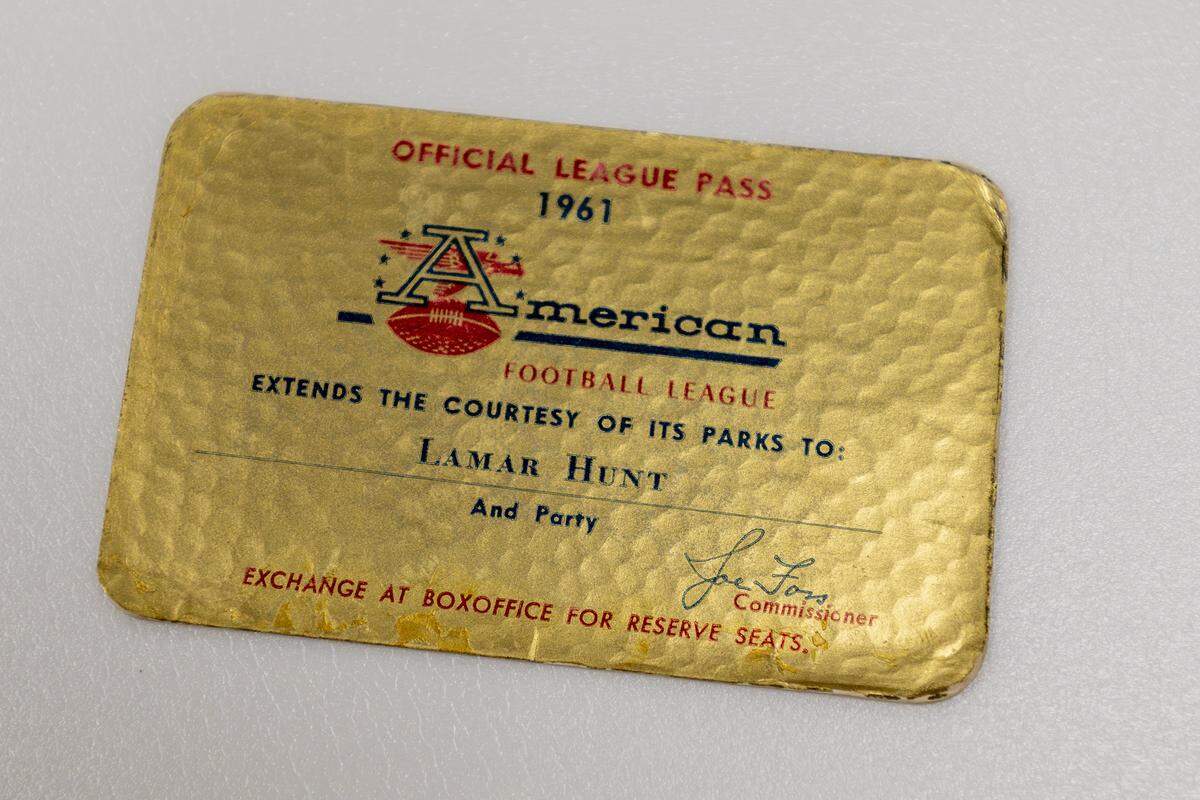
Across the room are Lamar Hunt’s own file cabinets, packed with folders dating from 1959 as plans took shape for the new league. Entire folders are devoted to cities that expressed an interest in joining the new league, like Seattle, St. Louis, Toronto, Cincinnati, Memphis and more.
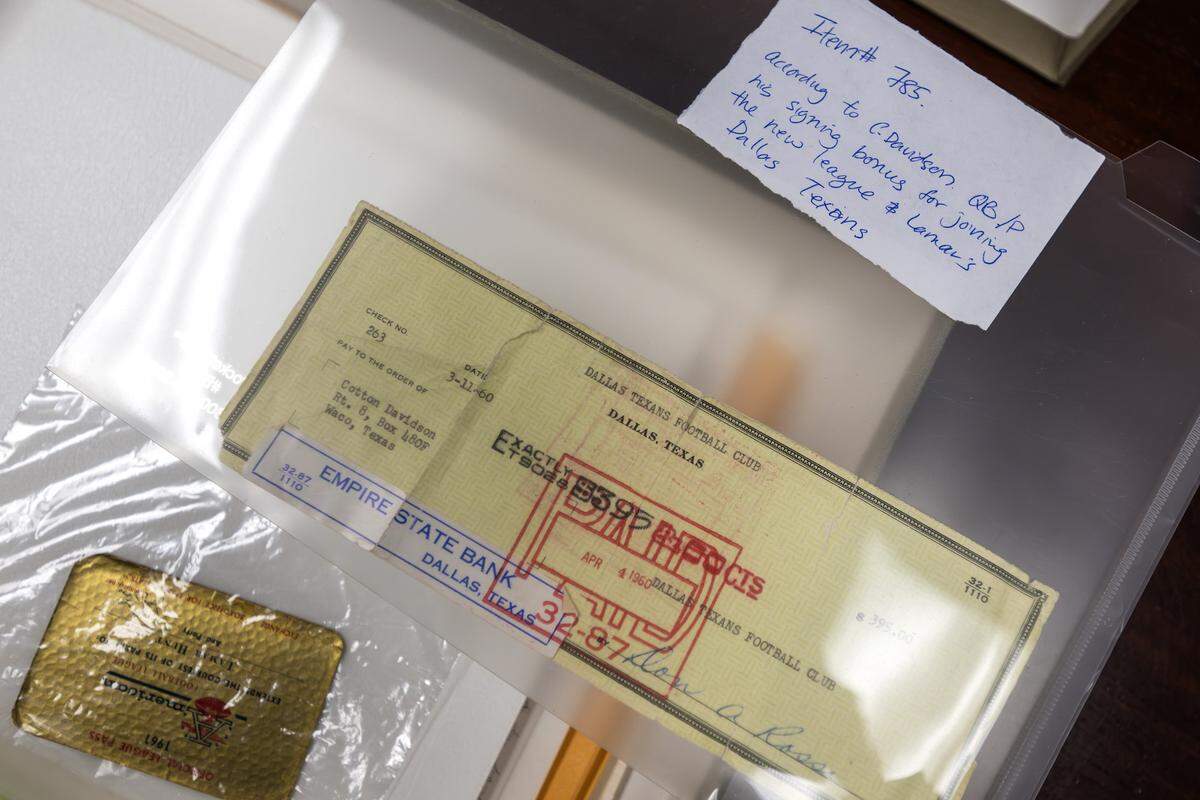
“Here’s something interesting,” Davidson said as he pulled out a canceled check. It was made out in March 1960 to the franchise’s original quarterback, Cotton Davidson, for $395.
“I wondered what this was, so I called Cotton and asked him if he could tell me,” Davidson said. “He said, the best he could recall, it was his signing bonus.”
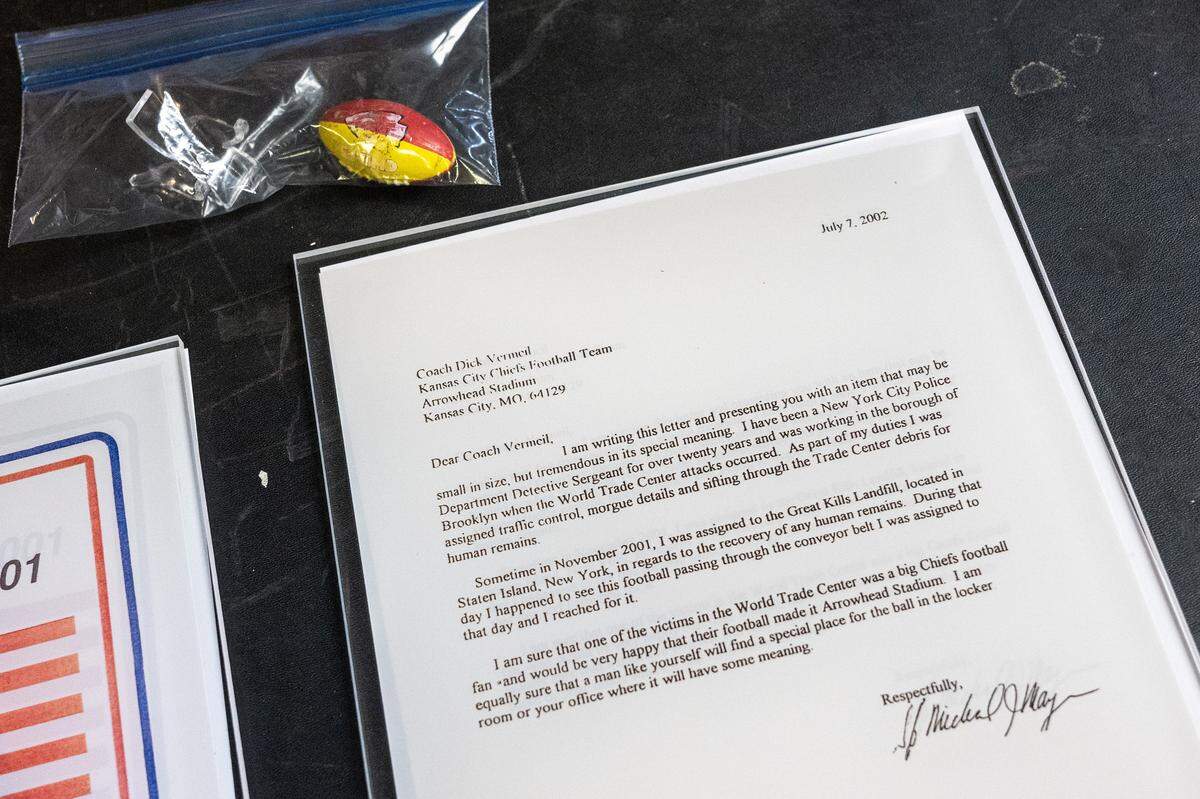
There’s the 1970 AFC Pro Bowl helmet of cornerback Jim Marsalis; notes describing the terms of the NFL-AFL merger; and correspondence with toy company Wham-O — creators of the Super Ball — as Hunt looked to find a suitable name for pro football’s newest championship game.
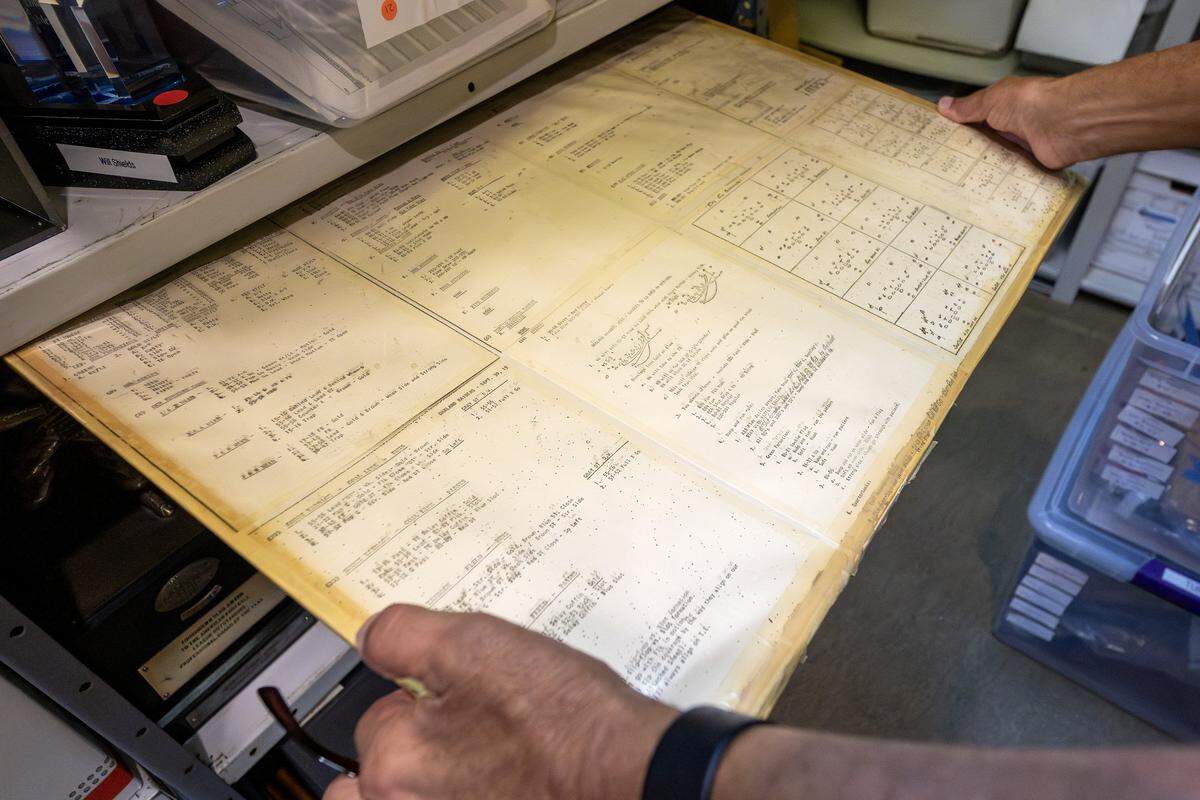
There’s even a Hank Stram play-sheet from a 1969 game against the Oakland Raiders.
“Andy Reid was interested in that,” Davidson said.
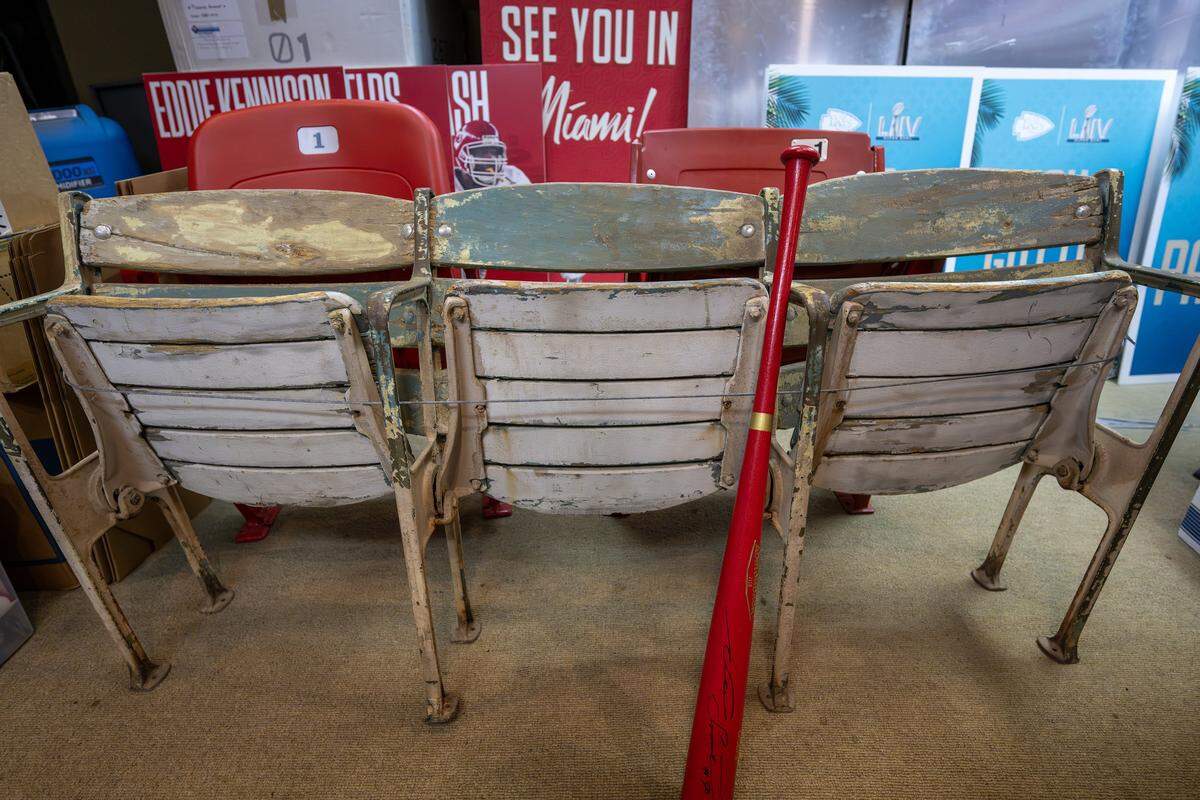
And more: Seats from Kansas City’s old Municipal Stadium; tickets from early Super Bowls and championship games; and the letter from Hunt to AFL commissioner Joe Foss, suggesting fences be built around the field after a fan broke up a pass in the end zone on the final play of a game in Boston (true story).
NFL history on display
On this day, because the Chiefs would soon be playing host to the Las Vegas Raiders, Davidson was putting the finishing touches on a detailed 1961 replica Raiders uniform.
Once complete, in time for last weekend’s game against the Raiders, it went on display at the Chiefs Hall of Honor, complete with the player’s full name on the back of the jersey. That was the style of the time.
Jim Otto.
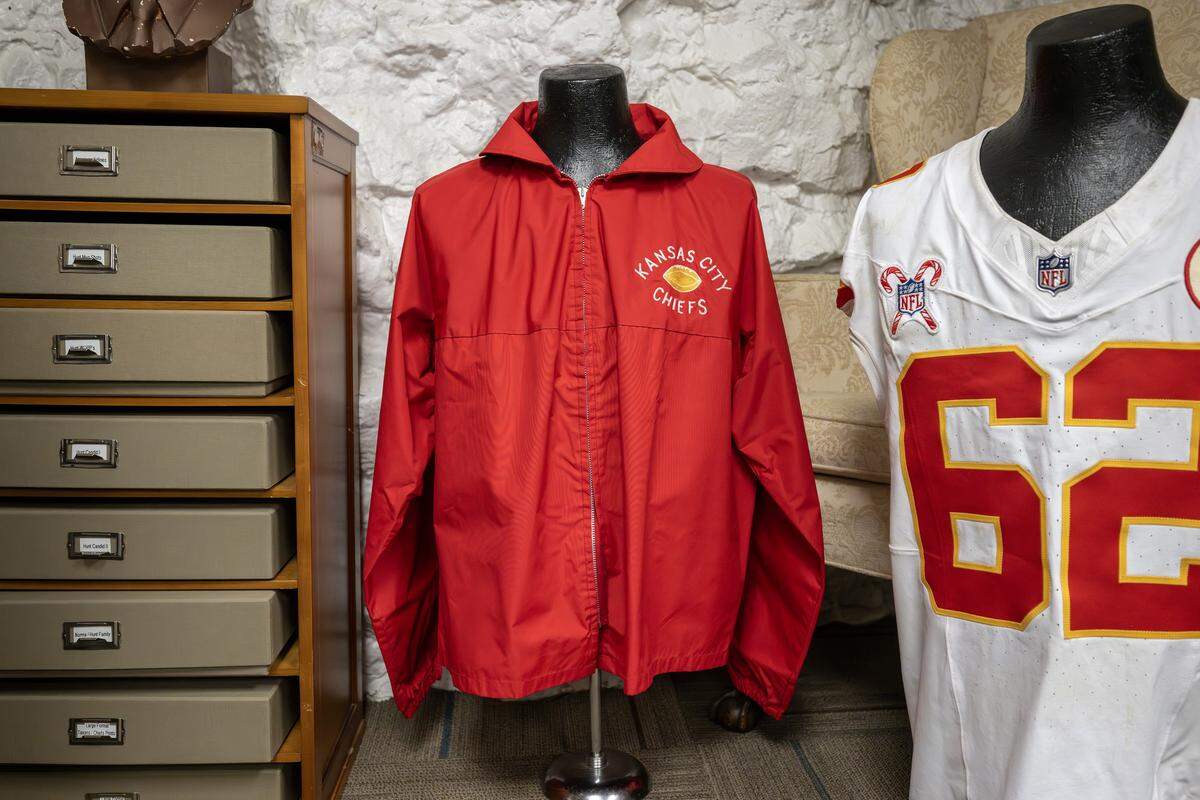
The Chiefs worked with a Wisconsin company to re-create the uniforms of the original AFL teams. And now, when one of those teams plays at GEHA Field at Arrowhead Stadium, the corresponding uniform occupies a corner in the Hall of Honor.
The Raiders were up first, earlier this season. The Los Angeles Chargers are next, visiting Kansas City this weekend, while the Denver Broncos play in KC on Christmas Day.
“The reason we do it is Lamar was very proud of the fact that the other owners took a chance with him when the new league started,” Davidson explained. “He was always about the entertainment of the fans. Not just Texans or Chiefs fans, but the fans of all the teams.”
The archives in SubTropolis and artifacts on display at the Chiefs Hall of Honor couldn’t be in better hands. Davidson stepped into his curator’s role after retiring as the team’s equipment manager in 2011. His relationships with former and current Chiefs play an important role in connecting the organization’s past to its present.
Moore became the Chiefs’ historian in 2010 after serving as the team’s director of media and public relations since 1989. He was central to creating the Hall of Honor. He maintained Hunt’s papers and club archives and his media credits even include producing a film: “WCT: The Road to Open Tennis.”
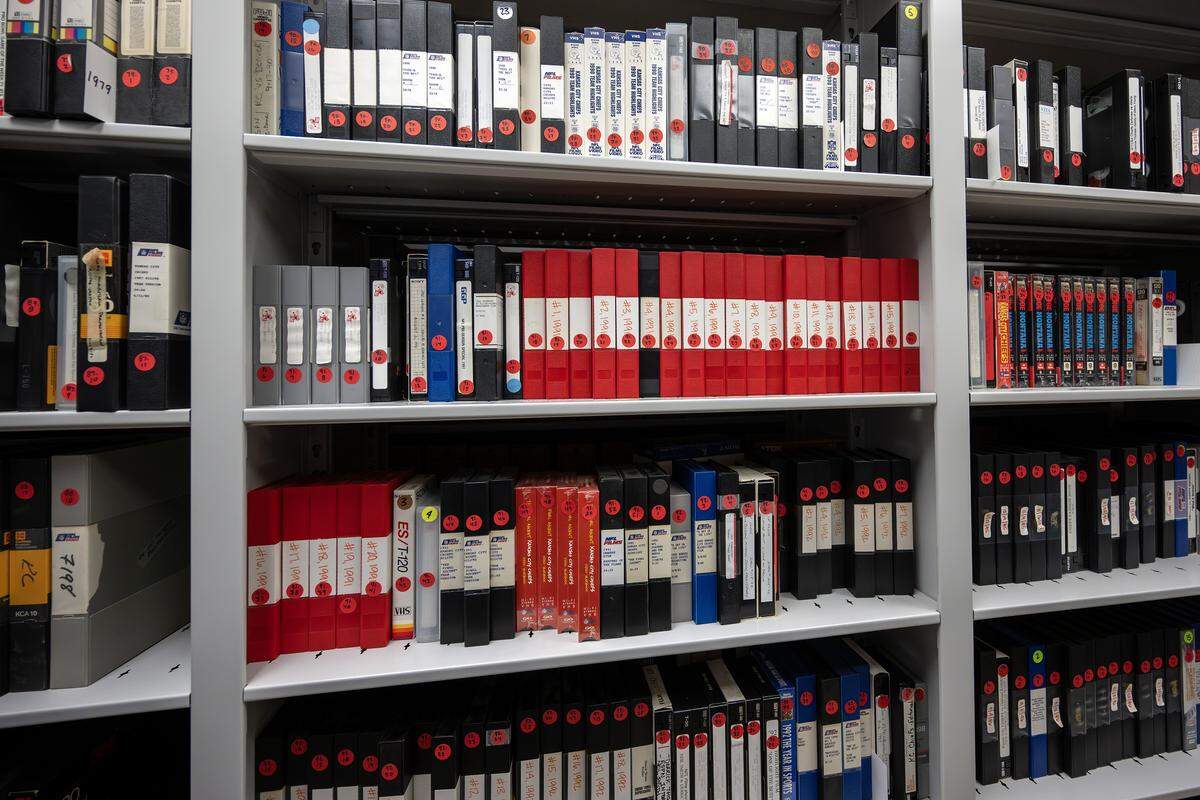
Hunt was a pro tennis pioneer, as well, and the source of that film is a trove of some 600 videotapes of tournaments around the world that reside on shelves inside SubTropolis. Still more historical gems loom on shelves in another office, ready to be displayed, if they haven’t been already.
It’s apparent that the Chiefs, while carving out a place in NFL history with recent dynastic success, are also committed to remembering their past. They’re honoring Lamar Hunt’s considerable contributions to the game and preserving their place in pro football’s annals, too.
“He was such a major figure in the growth of football,” Moore said of Hunt, “and it allows us to talk about where the game was when he brought it to Kansas City.”
Call it an underground movement to preserve Hunt’s legacy.
This story was originally published October 24, 2025 at 5:30 AM.