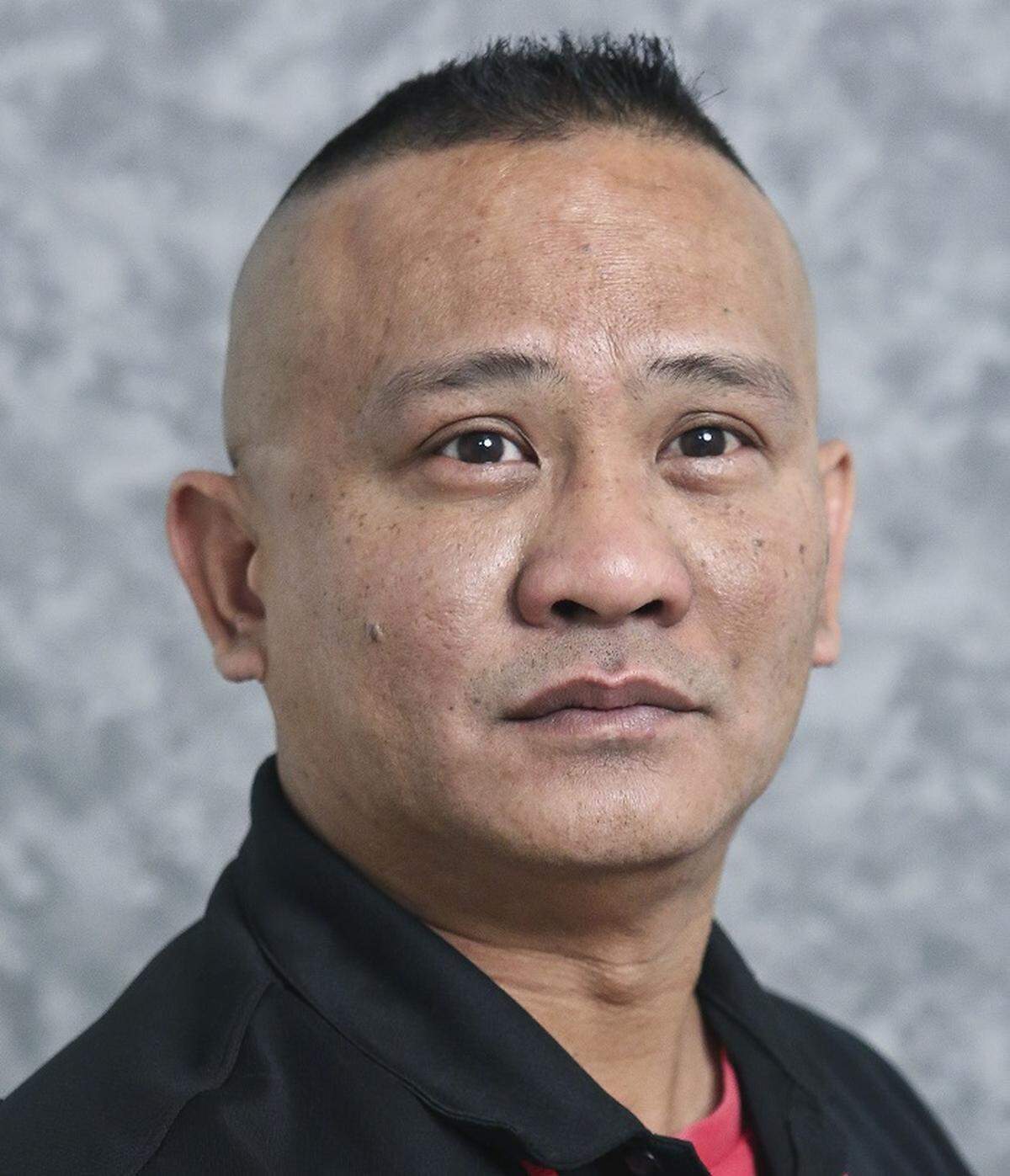
Chiefs’ Rick Burkholder helped coordinate league-wide COVID-19 safety protocols
With the NFL and NFLPA agreeing Friday evening to adjustments to the CBA, it’s all systems go for the Chiefs to kick off training camp.
The agreement between the NFL and NFLPA was struck as the world continues to deal with the COVID-19 pandemic, which forced sports to shut down in mid-March before recently re-launching.
For the Chiefs’ players, coaches and staff, safety has been at the forefront of discussions around the resumption of football activities. Taking care of team personnel is going to remain a top priority, and coach Andy Reid believes the team is well-equipped to deal with the challenge.
“It’s a very unique time,” Reid said Saturday during a Zoom call. “We think we’re going to put the players in a position where they’re safe.
“It’s a responsibility, though, at the same time. It’s a responsibility for the coaches, for the players and anybody dealing with the players to take responsibility to follow the format set for us to fight this virus and still have an opportunity to play football.”
Members of the Chiefs’ own staff had a lot of input in helping guide the NFL and NFLPA down the right path. Rick Burkholder, the team’s vice president of sports medicine and performance, has added a new title to his duties and now serves as the team’s infectious control officer (ICO).
Burkholder is one of 32 ICOs, one appointed by each team, as mandated by the NFL, and he carries plenty of responsibilities, including overseeing the Chiefs’ infectious disease response team, implementing the league’s and team’s safety protocols and coordinating infectious emergency responses during the pandemic.
“The NFL put out protocol and it’s an ever-changing document — it’s over 80 pages long,” Burkholder said Saturday during a Zoom call. “This thing is detailed, it’s very well-done. It was put together by the NFL and the NFLPA in a joint effort.”
Over the past nine weeks, the NFL and NFLPA put together work groups for testing, acclimation of players, how to deal with positive tests, contact tracing, travel and sanitation of equipment.
Burkholder was a member of the work group dealing with acclimation, while Chiefs equipment manager Allen Wright took part in discussions about sanitizing equipment. Reid, meanwhile, talked to all teams’ owners.
“The Chiefs had a big say in the protocol,” Burkholder said. “As the protocol came out, we were charged with doing this infectious disease emergency response document. That is what is our document and our motivating force is behind what we’re doing with the Chiefs.”
Training camp, which opens this coming week, will look different in 2020. With camp now held at the team’s training facility and Arrowhead Stadium instead of Missouri Western State University, the Chiefs plan on holding meetings in the vast concourse areas in order to observe social-distancing measures. Their cafeteria policy now stipulates that no more than two to three chairs are used at each table, which are also spread out, and food items are designed to-go, with no buffets.
Sanitation, which includes constant cleaning of door handles, the locker room and weight room equipment, extends to the practice field.
“There’s no more squirting water in a guy’s mouth,” Burkholder said. “It’s now all individual bottles. There’s no more towel sharing. You’re going to see some changes at practice with how we go about it. You’ll see equipment guys wiping down pads in between reps and all players will wear the tracing devices at practice, as well.”
The team’s proposal for dealing with infectious disease proved more than adequate — so much so that the Chiefs’ protocols were the first to be approved the NFL, Duke University’s infectious disease department and the NFLPA.
The Chiefs will also conduct vigorous testing while sharing educational tools with the players, staff members and their families.
“We want them to know that we’re doing everything possible to make their loved ones safe,” Burkholder said.
Meanwhile, the Chiefs will also be preparing for the regular season during a global disease outbreak that has yet to see a vaccine. Burkholder knows time is needed to develop a potential vaccine, and that there are no cures for certain other viral maladies, such as AIDS and the common cold.
“We have viruses that don’t have vaccines,” Burkholder said. “There’s no telling we’re going to get a vaccine for this, so we can’t think like that. We got to go to the next step.
“If we get the vaccine, great. We’ve got to go the next step of testing. Every team is going to have a positive test; we know that. Society, I mean, we’re testing positive at 70,000 a day right now. We know that. What we hope is we limit our positive tests and when we get a positive test, we act accordingly with the CDC to get those people isolated, get them healthy and get them safely back to work.”
The Chiefs’ rookies and quarterbacks reported for camp in recent days, while veteran players began arriving Saturday.
Reid said he trusts the work environment they’re entering because of the work Burkholder and others have done, and will be doing, in Kansas City to keep them safe.
“We’re as safe as you can be here,” Reid said.