
Why NASCAR’s new NextGen car is producing new winners as series visits Kansas Speedway
.JPG "In February, first-time NASCAR Cup Series driver Austin Cindric, top, edged out Bubba Wallace for the checkered flag at the Daytona 500.")
NASCAR’s NextGen Car seems to be producing a New Gen of race winners.
The Cup series’ first season featuring the newly designed, cost-efficient racecar already has produced three first-time winners, in 23-year-old Austin Cindric, Chase Briscoe, 27 and Ross Chastain, 29 (two victories).
Four other 20-somethings from Hendrick Motorsports — defending series champion Kyle Larson, 29; two-time winner William Byron, 24; Alex Bowman, 29; and 2020 champion Chase Elliott, 26 — own wins in the redesigned ride.
Meanwhile, grizzled former champions Kevin Harvick, Kurt Busch and Martin Truex Jr., all in their 40s (and Brad Keselowski, 38) are still winless this season.
So when the NextGen cars make their first appearances at Kansas Speedway in Sunday’s Advent Health 400, the young drivers who are adapting best to the NextGen car could have an advantage over the old guard — or at least a better chance than they’ve had in recent years.
“This new car has been the greatest reset the sport has ever seen,” said Chastain, a journeyman who posted his first two Cup wins at Austin and Talladega in the No. 1 Chevrolet Camaro for second-year and underdog Trackhouse Racing.
”I haven’t been around for the entirety of the sport, but looking back and talking to older men and women who have been in the sport for decades, you have not been able to take a car, and race it on a road course, and change some suspension, and run the same chassis, the same body … at Talladega and compete and win
“The NextGen Car is the sole reason Trackhouse exists. (Owner) Justin Marks got wind of this, did his research, fully bought in on it, and said, ‘I’m going to be in Cup (racing) when that new car unveils.’’’
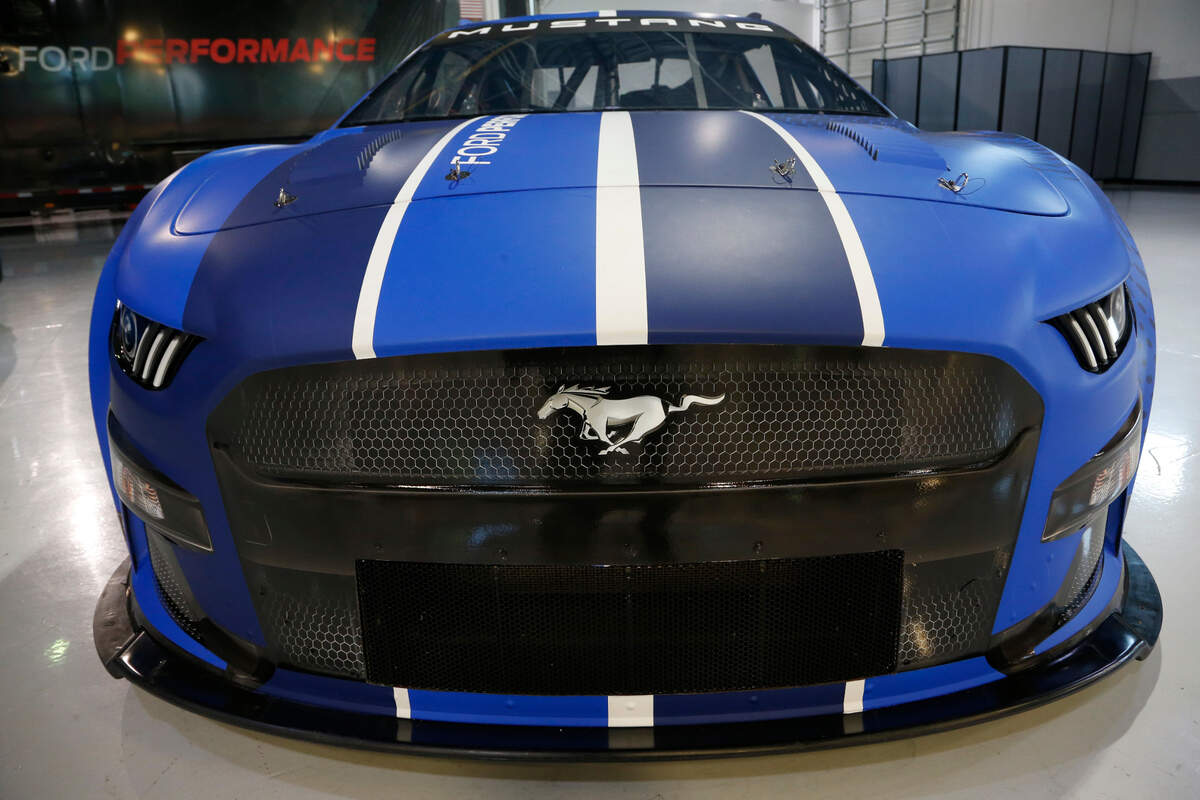
The NextGen car is the seventh version of the stock car NASCAR introduced in 1949. These Chevys, Fords and Toyotas most closely resemble their counterparts in dealer showrooms. But in an effort to control costs, all of the race teams get their chassis and parts, aside from the engines, from the same sources.
That evens the playing field between deep-pocketed organizations, such as Hendrick Motorsports and Team Penske — which could go on spending sprees to find the right shocks, springs and water pumps — and less-funded outfits, such as the two-car teams of Front Row Motorsports and Trackhouse.
Consequently, the outcomes of the races are more in the hands of the drivers, who also have had to learn to master the intricacies of the new car.
It may be why 10 different drivers have won the first 12 races.
“The funny thing is you have guys who say this is the easiest year to be a rookie and in some ways I think that’s based off the fact that everyone is having to learn quite a lot, and there’s a lot of newness with the cars,” said Cindric, a second-year driver who won the season-opening Daytona 500 in the No. 2 Team Penske Mustang.
“That doesn’t mean that I don’t have habits I’m having to unlearn as well. My whole basis of how to drive a stock car has been in an Xfinity car for four years. That puts me in the same boat as everybody else, and then you’ve got to stack on top of that what it means to be a rookie in the Cup Series and racing against the best guys in the business In some ways, it’s nice with the new car because there are a lot of very humanizing days for a lot of different drivers.
“Everyone is having highs and lows, and that’s why … we’re having new winners every weekend.”
Harvick, who has won 58 career races (10th all-time) in various incarnations of Chevys and Fords, is learning to acclimate to the new version, calling it, “One of the neatest racecars that our sport will ever see, just because of the innovation and the evolution and all the things that went into it.
“The biggest thing fans have probably noticed about the NextGen car is how relevant it looks compared to a car in the showroom. Regarding everything underneath, it’ll really take some time to wrap our arms around accepting and enjoying what we have.
“It’s a culture change that’s taking time to get used to because I’ve been a part of that innovation and evolution of cars my whole career. This car will evolve, but it’s really going to be in how you align the parts and pieces and how you drive it — all the things you do to make the car drive and do what you want it to.”
This story was originally published May 11, 2022 at 10:11 AM.